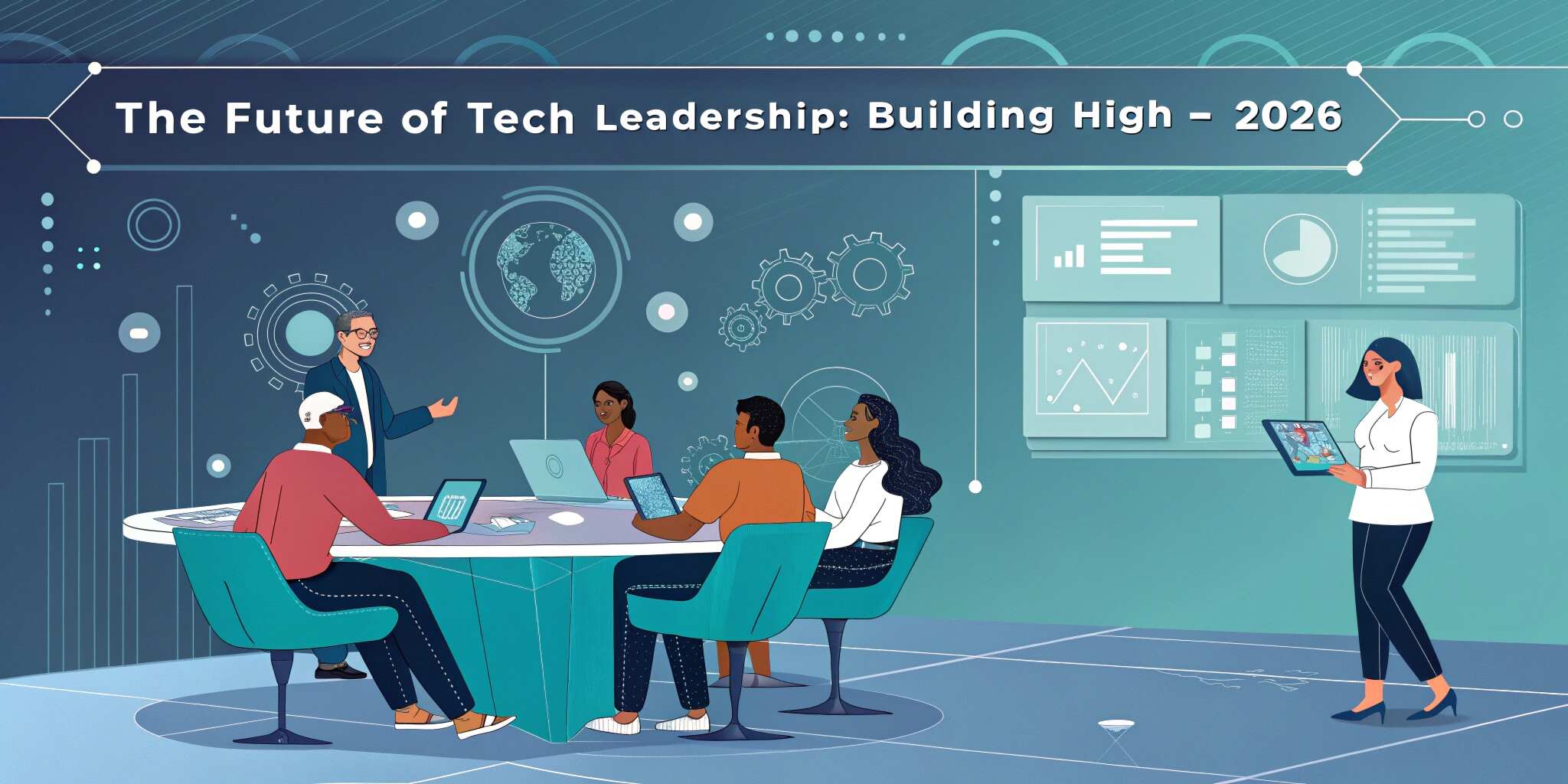
The Future of Tech Leadership & Engineering Management in 2026
Technology is evolving faster than ever, and organizations across the world are investing heavily in digital transformation. In this rapidly changing environment, technical expertise alone is no longer enough to lead successful engineering teams. Modern businesses now require strong tech leadership and effective engineering management to drive innovation, productivity, and long-term growth.
Tech leadership is no longer limited to managing developers or assigning tasks. Today’s engineering leaders are responsible for building strong engineering cultures, aligning technical strategies with business goals, mentoring teams, improving delivery pipelines, and ensuring continuous innovation.
The Changing Role of Engineering Leaders
In traditional IT organizations, engineering managers focused mainly on deadlines, code reviews, and project execution. However, the role has significantly evolved in recent years. Engineering leaders now work closely with product managers, designers, stakeholders, and clients to deliver customer-focused digital products.
Modern engineering managers must balance three important areas:
- Technical excellence
- Team management
- Business strategy
Successful leaders understand how technology impacts business growth. They help organizations scale applications, improve system reliability, optimize development workflows, and adopt emerging technologies like Artificial Intelligence, Cloud Computing, DevOps, and Automation.
Building High-Performance Engineering Teams
One of the biggest responsibilities of engineering management is building and maintaining high-performance teams. A successful engineering team is not built only on technical talent. It also depends on collaboration, communication, trust, and leadership.
Strong engineering leaders focus on:
1. Hiring the Right Talent
Recruitment is one of the most critical aspects of engineering management. Leaders must identify developers who not only possess technical skills but also align with the company culture and long-term vision.
Modern organizations look for professionals with expertise in:
- Full Stack Development
- Mobile Application Development
- AI/ML Solutions
- Cloud Infrastructure
- DevOps Engineering
- UI/UX Design
- Cybersecurity
2. Creating a Learning Culture
Technology changes rapidly. Engineering leaders must encourage continuous learning through:
- Internal training sessions
- Technical workshops
- Certifications
- Hackathons
- Knowledge-sharing sessions
Organizations that invest in employee growth often experience higher productivity, better retention rates, and increased innovation.
3. Improving Team Collaboration
Remote and hybrid work models have transformed how engineering teams operate. Effective communication tools and project management systems are essential for maintaining productivity.
Engineering managers now rely heavily on:
- Agile methodologies
- Scrum frameworks
- Jira and project tracking tools
- Git-based workflows
- Continuous Integration and Continuous Deployment (CI/CD)
These systems improve transparency, accountability, and delivery speed.
Engineering Management and Agile Development
Agile development has become a standard practice in modern software engineering. Agile helps organizations adapt quickly to changing business requirements and customer expectations.
Engineering leaders play a major role in agile transformation by:
- Managing sprint planning
- Improving team velocity
- Reducing technical debt
- Enhancing code quality
- Ensuring faster product releases
The goal of agile engineering management is not just faster delivery but delivering higher-quality products consistently.
Companies that successfully implement agile frameworks often experience:
- Better customer satisfaction
- Faster product launches
- Reduced operational risks
- Increased team efficiency
The Importance of Emotional Intelligence in Leadership
Technical skills alone do not create successful leaders. Emotional intelligence has become one of the most valuable qualities in engineering management.
A great tech leader understands:
- Team motivation
- Conflict resolution
- Employee well-being
- Effective communication
- Performance coaching
Developers perform better when they feel valued and supported. Engineering leaders who build healthy workplace cultures often create more innovative and productive teams.
Managing Innovation and Scalability
As businesses grow, engineering challenges become more complex. Leaders must ensure that systems remain scalable, secure, and efficient.
This includes:
- Cloud migration strategies
- Infrastructure optimization
- Security implementation
- AI integration
- Automation processes
Engineering managers also help organizations adopt emerging technologies without disrupting existing operations.
In 2026, AI-driven development tools, low-code platforms, and automation systems are reshaping software development workflows. Engineering leaders must understand how to integrate these technologies strategically while maintaining software quality and security.
Leadership Challenges in Modern Engineering Teams
Engineering leadership comes with several challenges, including:
- Managing distributed teams
- Handling tight deadlines
- Balancing innovation with stability
- Reducing developer burnout
- Maintaining security and compliance
To overcome these challenges, organizations need leaders who can make data-driven decisions while maintaining strong team relationships.
Successful engineering management requires adaptability, vision, and the ability to lead through uncertainty.
The Future of Engineering Leadership
The future of tech leadership will focus heavily on:
- AI-powered development
- Remote engineering operations
- Data-driven decision making
- Cross-functional collaboration
- Sustainable engineering practices
Engineering leaders who prioritize innovation, employee development, and strategic thinking will help organizations remain competitive in the digital economy.
Companies that invest in strong engineering leadership today will be better prepared for future technological disruptions.
Ultimately, tech leadership is about more than managing projects—it is about inspiring teams, driving innovation, and building technology solutions that create real business impact.