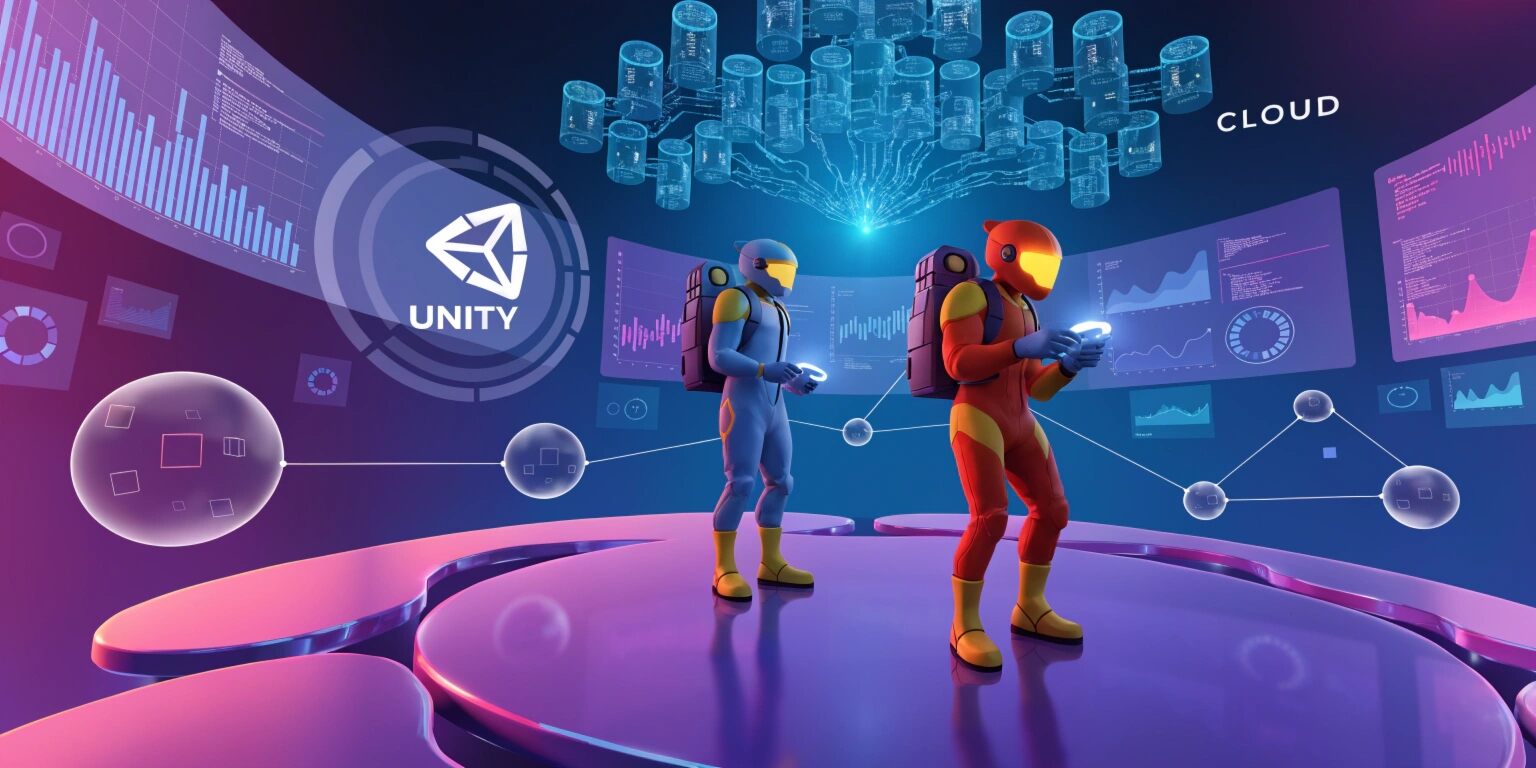
Unity and cloud technologies are reshaping multiplayer gaming through scalable infrastructure, real-time networking, AI-powered experiences, and cross-platform support. Discover how cloud-driven innovation is creating the next generation of immersive multiplayer games.
The gaming industry has evolved dramatically over the last decade, with multiplayer gaming becoming one of the most dominant forms of digital entertainment. Players no longer want isolated gaming experiences—they expect seamless online interactions, real-time competition, collaborative gameplay, and persistent virtual worlds that connect millions of users worldwide.
To meet these growing demands, developers are increasingly combining Unity, one of the world's most popular game engines, with modern cloud technologies. Together, these technologies are enabling highly scalable, reliable, and immersive multiplayer experiences that were once impossible to achieve.
As gaming continues to advance, Unity and cloud computing are set to play a critical role in shaping the future of multiplayer entertainment.
The Rise of Multiplayer Gaming
Multiplayer games have transformed from simple local-area network experiences into global ecosystems that connect players across continents.
Today's gamers expect features such as:
- Real-time multiplayer interactions
- Cross-platform compatibility
- Persistent online worlds
- Competitive esports environments
- Cloud-based progression systems
- Seamless matchmaking
Meeting these expectations requires sophisticated infrastructure capable of handling millions of simultaneous users.
This is where cloud technologies become essential.
Why Unity Dominates Multiplayer Development
Unity has become one of the most widely used game engines due to its flexibility, accessibility, and cross-platform capabilities.
Key advantages include:
- Multi-platform deployment
- Extensive networking support
- Rich asset ecosystem
- Strong developer community
- Flexible rendering systems
- Rapid prototyping capabilities
Developers can create games for:
- Mobile devices
- PCs
- Consoles
- VR platforms
- AR devices
- Web browsers
This versatility makes Unity an ideal choice for multiplayer game development.
Cloud Technologies: The Backbone of Modern Multiplayer Games
Traditional multiplayer games often relied on dedicated physical servers that were expensive and difficult to scale.
Cloud computing has revolutionized this approach.
Cloud platforms provide:
- On-demand server resources
- Global infrastructure
- Auto-scaling capabilities
- High availability
- Reduced operational costs
Game developers can dynamically allocate resources based on player demand, ensuring smooth performance even during peak traffic periods.
This flexibility is critical for modern online games.
Real-Time Multiplayer Networking
One of the biggest challenges in multiplayer gaming is maintaining low latency while synchronizing game states among players.
Cloud-powered networking solutions help achieve:
- Fast data transmission
- Reliable server communication
- Reduced lag
- Real-time synchronization
Unity developers can integrate cloud networking services to create responsive multiplayer experiences where player actions are reflected instantly across all connected devices.
This is particularly important in competitive games where milliseconds can determine outcomes.
Scalable Matchmaking Systems
Modern multiplayer games often support millions of users.
Cloud-based matchmaking systems allow developers to:
- Pair players based on skill levels
- Reduce wait times
- Optimize server selection
- Balance game sessions
These systems continuously analyze player behavior and network conditions to create fair and enjoyable matches.
As player populations grow, cloud infrastructure automatically scales to maintain performance.
Cross-Platform Gaming Experiences
One of the most significant trends in gaming is cross-platform play.
Players increasingly expect to connect regardless of device type.
Unity's cross-platform capabilities combined with cloud services enable seamless experiences across:
- Android
- iOS
- PC
- PlayStation
- Xbox
- Nintendo platforms
Cloud-based user accounts and progression systems ensure that players can continue their gaming journey across multiple devices without losing progress.
This flexibility enhances user engagement and retention.
Persistent Online Worlds
Massively Multiplayer Online (MMO) games and live-service titles rely on persistent virtual worlds that remain active even when players are offline.
Cloud infrastructure makes this possible by supporting:
- Continuous world simulation
- Dynamic content updates
- Real-time events
- Player-generated content
- Persistent economies
Developers can introduce new experiences without requiring major client updates, keeping games fresh and engaging.
AI-Powered Multiplayer Experiences
Artificial Intelligence is becoming increasingly integrated into multiplayer gaming.
Cloud-based AI systems can support:
- Intelligent non-player characters (NPCs)
- Adaptive game difficulty
- Fraud detection
- Anti-cheat mechanisms
- Personalized player experiences
Unity developers can leverage cloud-hosted AI models to enhance gameplay while minimizing the computational burden on player devices.
This creates richer and more dynamic gaming environments.
Cloud Gaming and Streaming
Cloud gaming is emerging as a transformative trend within the industry.
Instead of relying on powerful hardware, players can stream games directly from cloud servers.
Benefits include:
- Reduced hardware requirements
- Instant game access
- Lower download times
- Expanded accessibility
Unity-developed games can be optimized for cloud streaming environments, allowing players to enjoy high-quality experiences on smartphones, tablets, and low-end devices.
This expands potential audiences significantly.
Security and Reliability
Security is a major concern in multiplayer environments.
Cloud platforms provide advanced security features such as:
- DDoS protection
- Data encryption
- Identity management
- Threat monitoring
- Automated backups
These capabilities help developers protect player data while maintaining reliable online services.
As cyber threats continue to evolve, cloud-based security will remain essential.
Challenges in Cloud-Powered Multiplayer Gaming
Despite its benefits, cloud gaming infrastructure presents challenges.
Latency Management
Global player bases require optimized server distribution to minimize lag.
Infrastructure Costs
Large-scale multiplayer games may incur significant cloud expenses.
Network Dependence
Stable internet connectivity remains critical for online gameplay.
Data Privacy
Developers must ensure compliance with regional privacy regulations.
Addressing these challenges is essential for delivering high-quality multiplayer experiences.
The Future of Multiplayer Gaming
The next generation of multiplayer gaming will be driven by cloud innovation and advanced development tools.
Emerging trends include:
- AI-generated game content
- Massive virtual worlds
- Real-time cloud rendering
- Metaverse-style experiences
- Serverless gaming architectures
- Enhanced cross-platform ecosystems
Unity's continued evolution combined with increasingly sophisticated cloud platforms will enable developers to build larger, smarter, and more immersive multiplayer experiences than ever before.
Conclusion
Unity and cloud technologies are fundamentally transforming multiplayer game development. Together, they provide the scalability, flexibility, and performance needed to support modern gaming experiences that connect players worldwide.
From real-time networking and cross-platform gameplay to AI-powered interactions and cloud streaming, these technologies are creating new opportunities for developers and players alike. As cloud infrastructure continues to evolve, the future of multiplayer gaming promises richer worlds, deeper social interactions, and unprecedented levels of immersion.
Businesses and game studios that embrace Unity and cloud technologies today will be well-positioned to lead the next era of online gaming innovation.
We build scalable web, mobile, and game products for clients worldwide — combining modern frameworks, cloud infrastructure, and best engineering practices.
.jpg)