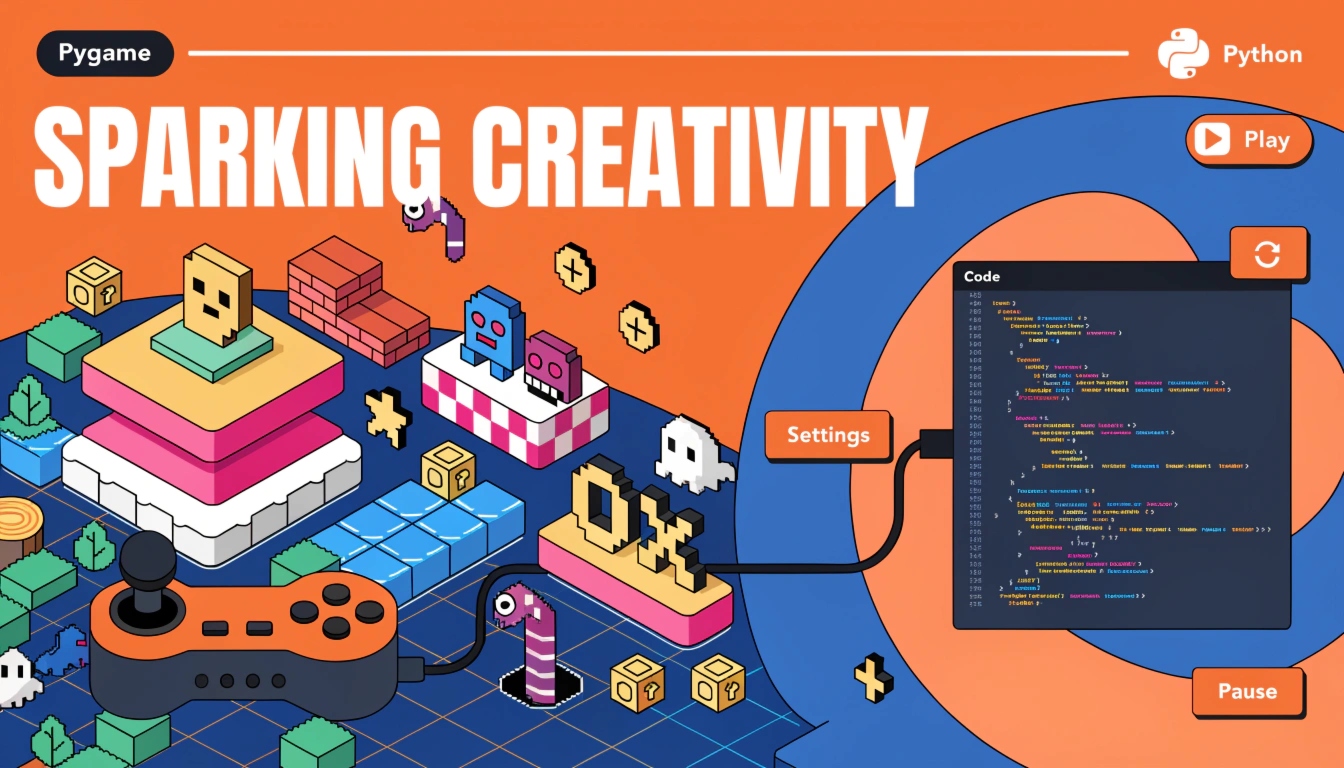
Pygame continues to be one of the most popular frameworks for creating 2D games in 2027. With enhanced Python capabilities, AI-assisted development, and a thriving indie gaming ecosystem, developers can quickly build engaging cross-platform experiences. This guide explores Pygame's features, architecture, development process, and future trends that make it an excellent choice for aspiring and professional game creators.
Main Content
Creating 2D Games with Pygame in 2027
The world of game development continues to evolve rapidly, and despite the rise of advanced game engines, Pygame remains a favorite framework among Python developers and indie game creators. In 2027, Pygame has become more powerful and relevant thanks to improvements in Python, AI-assisted programming, and increasing demand for lightweight, cross-platform games.
Whether you're developing arcade games, educational applications, or pixel-art adventures, Pygame offers a simple yet flexible environment for bringing ideas to life.
Why Pygame Still Matters in 2027
Pygame provides developers with a straightforward approach to game development. Unlike complex engines that require steep learning curves, Pygame focuses on programming fundamentals while giving developers complete control over their projects.
Some major advantages include:
- Easy-to-learn Python syntax.
- Open-source and free framework.
- Cross-platform compatibility.
- Strong community support.
- Excellent for prototyping and indie projects.
- Integration with modern AI development tools.
These benefits make Pygame ideal for students, hobbyists, and professional developers seeking rapid development capabilities.
Setting Up a Modern Pygame Environment
In 2027, installing Pygame is easier than ever. Developers can create environments using:
pip install pygame
Modern IDEs such as Visual Studio Code and PyCharm provide built-in AI coding assistants that help automate repetitive tasks and accelerate development.
A typical game project structure includes:
- Main game loop
- Assets folder
- Sprites and animations
- Sound effects
- Level data
- Configuration files
Maintaining a clean architecture improves scalability and simplifies future updates.
Building Core Game Components
Successful 2D games rely on several essential systems.
Sprite Management
Sprites represent characters, enemies, and objects. Pygame offers efficient sprite groups for organizing and rendering multiple elements simultaneously.
Collision Detection
Collision systems determine interactions between players and objects. Pygame provides built-in methods that simplify collision handling while maintaining performance.
Animation
Frame-based animations create smooth movement and enhance user experience. Developers can implement walking, jumping, attacking, and enemy behaviors through sprite sheets.
Sound and Music
Audio greatly improves immersion. Pygame supports:
- Background music
- Sound effects
- Volume controls
- Event-triggered audio
These features enable developers to create richer gaming experiences.
AI-Assisted Game Development
Artificial intelligence is transforming software development in 2027, and game creation is no exception.
AI-powered tools can assist with:
- Code generation.
- Level design ideas.
- Dialogue creation.
- Enemy behavior systems.
- Bug detection.
- Asset recommendations.
By combining Python and AI technologies, developers can build games faster and focus more on creativity rather than repetitive coding tasks.
Popular Genres Built with Pygame
Pygame supports a wide variety of genres, including:
Arcade Games
Classic experiences such as:
- Space shooters
- Platformers
- Endless runners
- Brick breakers
Puzzle Games
Educational and brain-training games continue to be highly popular among mobile and desktop users.
RPG Games
Role-playing games with inventory systems, quests, and combat mechanics can be effectively implemented using object-oriented programming techniques.
Educational Games
Schools and training organizations increasingly use Pygame to develop interactive learning applications.
Performance Optimization Techniques
Modern users expect smooth gameplay. Developers can optimize Pygame applications by:
- Limiting frame rates.
- Using sprite groups efficiently.
- Loading assets only when necessary.
- Reducing unnecessary calculations.
- Implementing object pooling.
- Optimizing collision checks.
These practices help maintain stable performance across multiple devices.
Cross-Platform Opportunities
One of Pygame's strengths is portability. Games developed in Python can run on:
- Windows
- Linux
- macOS
- Raspberry Pi devices
With additional tools, developers can package games for Android platforms and web-based deployment, expanding audience reach significantly.
Future Trends for Pygame in 2027
Several trends are influencing the future of 2D game development:
AI-Generated Content
Procedural level generation and AI-created assets are becoming increasingly common.
Retro Gaming Revival
Pixel-art and nostalgic game designs continue to attract large audiences worldwide.
Educational Coding Platforms
Pygame remains a preferred framework for teaching programming and computer science concepts.
Hybrid Development
Developers are integrating Pygame with machine learning libraries and cloud services to create smarter and more adaptive gaming experiences.
Conclusion
Creating 2D games with Pygame in 2027 remains an exciting opportunity for developers of all skill levels. Its simplicity, flexibility, and strong Python ecosystem make it one of the best frameworks for indie game development and educational projects. Combined with AI-assisted tools and modern development practices, Pygame empowers creators to build engaging, optimized, and cross-platform games without the complexity of larger game engines.
As the gaming industry continues to expand, Pygame proves that lightweight frameworks can still deliver innovative and enjoyable experiences for players around the world.
We build scalable web, mobile, and game products for clients worldwide — combining modern frameworks, cloud infrastructure, and best engineering practices.
.jpg)