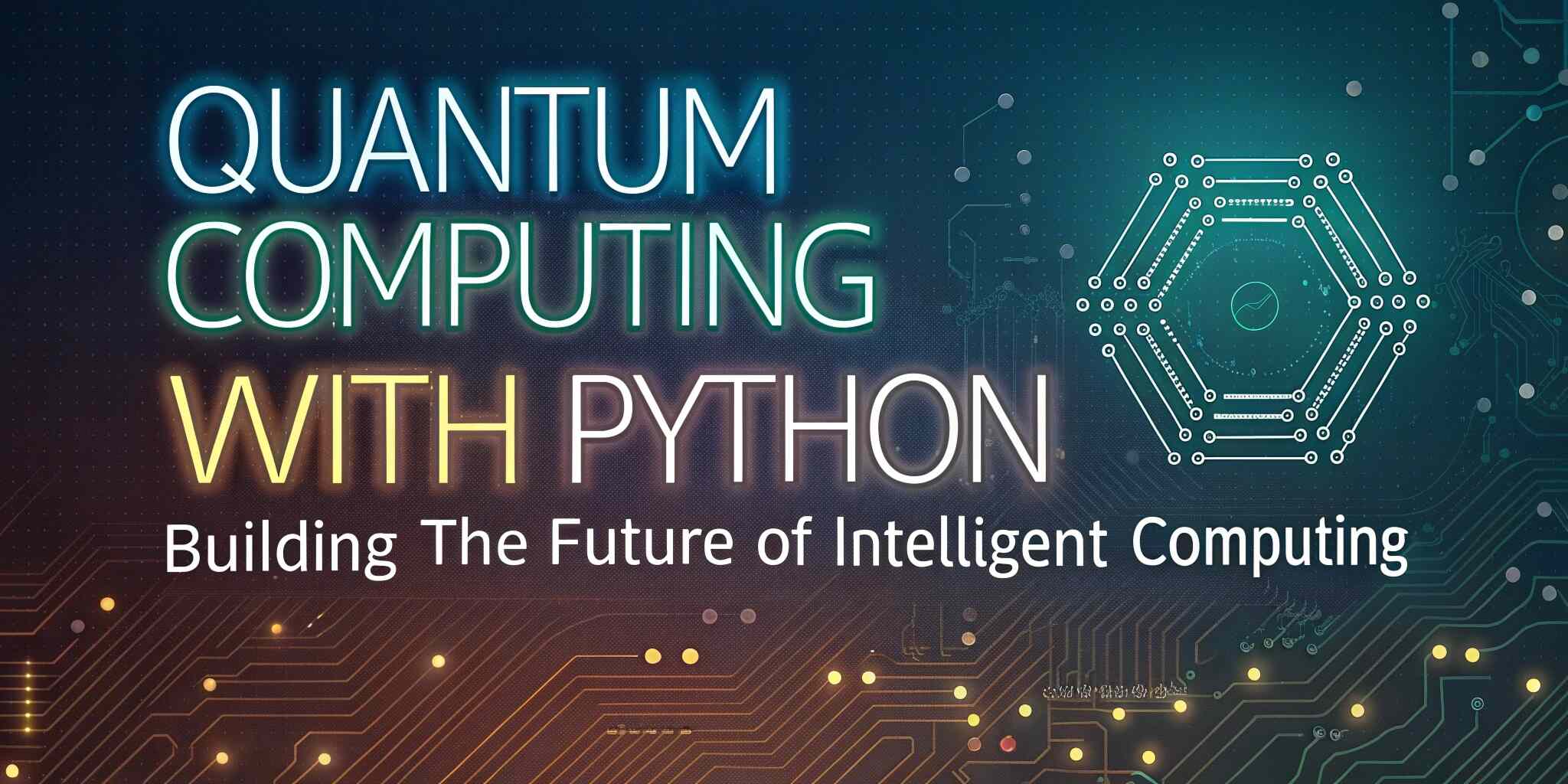
Quantum Computing with Python is transforming the future of technology by combining the power of quantum mechanics with modern programming capabilities. Using libraries like Qiskit and Cirq, developers can create quantum circuits, simulate qubits, and build advanced algorithms for AI, cryptography, and optimization problems. This blog explores quantum computing fundamentals, Python tools, real-world applications, and future opportunities in this revolutionary field.
Main Content
Quantum Computing is one of the most revolutionary technologies in the modern digital era. Unlike traditional computers that process information using bits (0s and 1s), quantum computers use qubits that can exist in multiple states simultaneously. This allows quantum systems to solve highly complex problems much faster than classical computers. Combined with Python programming, quantum computing becomes more accessible for developers, researchers, and AI engineers worldwide.
Python has become the preferred programming language for quantum computing because of its simplicity, flexibility, and powerful ecosystem. Many leading quantum platforms such as IBM Quantum, Google Cirq, and Microsoft Quantum Development Kit provide Python-based frameworks for building and testing quantum applications.
Understanding Quantum Computing
Quantum computing is based on the principles of quantum mechanics. The major concepts include:
1. Qubits
A classical computer uses bits that can either be 0 or 1. Quantum computers use qubits, which can exist in both states at the same time through superposition.
2. Superposition
Superposition enables quantum systems to process multiple possibilities simultaneously, making calculations exponentially faster for certain problems.
3. Entanglement
Quantum entanglement connects qubits so that the state of one qubit instantly affects another, even at large distances. This property improves computational efficiency.
4. Quantum Gates
Quantum gates manipulate qubits similar to logic gates in classical computing. Common quantum gates include Hadamard, Pauli-X, and CNOT gates.
Python allows developers to simulate and implement these concepts using easy-to-understand code structures and libraries.
Why Python is Used in Quantum Computing
Python has become the leading language for quantum development due to several advantages:
- Simple and beginner-friendly syntax
- Strong scientific computing ecosystem
- Large developer community
- Extensive AI and ML integration
- Availability of quantum libraries
- Easy simulation and visualization tools
Python helps developers focus on quantum logic rather than dealing with low-level programming complexity.
Popular Python Libraries for Quantum Computing
Qiskit
Qiskit is an open-source quantum computing framework developed by IBM. It allows developers to create quantum circuits, run simulations, and execute algorithms on real quantum hardware.
Features:
- Quantum circuit creation
- Quantum simulators
- Machine learning integration
- Real quantum computer access
Cirq
Developed by Google, Cirq is designed for building and testing noisy intermediate-scale quantum (NISQ) circuits.
PennyLane
PennyLane combines quantum computing with machine learning frameworks like TensorFlow and PyTorch, making it useful for quantum AI applications.
QuTiP
QuTiP is mainly used for quantum mechanics simulations and research purposes.
Basic Quantum Circuit Example in Python
Developers can create a simple quantum circuit using Qiskit. A basic workflow includes:
- Importing Qiskit libraries
- Creating qubits
- Applying quantum gates
- Running the simulation
- Analyzing outputs
For example, a Hadamard gate places a qubit into superposition, demonstrating how quantum systems process multiple states simultaneously.
Applications of Quantum Computing
Quantum computing is expected to impact multiple industries.
Artificial Intelligence and Machine Learning
Quantum systems can process huge datasets faster than traditional computers, improving AI training and optimization.
Cybersecurity and Cryptography
Quantum algorithms may break traditional encryption methods while also enabling highly secure communication systems.
Healthcare and Drug Discovery
Quantum simulations can help researchers understand molecular structures and accelerate medicine development.
Financial Modeling
Banks and financial institutions can use quantum optimization for portfolio management and risk analysis.
Logistics and Optimization
Quantum computing can optimize supply chains, route planning, and transportation systems.
Climate Research
Scientists can use quantum simulations for weather forecasting and environmental analysis.
Quantum Computing and AI Integration
The integration of Quantum Computing and AI is known as Quantum Machine Learning (QML). This emerging field combines quantum algorithms with machine learning techniques to solve computational problems more efficiently.
Python plays a major role in QML because popular AI frameworks like TensorFlow, PyTorch, and Scikit-learn can integrate with quantum libraries.
Potential applications include:
- Faster neural network training
- Improved pattern recognition
- Large-scale optimization
- Advanced predictive analytics
Challenges in Quantum Computing
Despite its potential, quantum computing still faces several challenges:
- High hardware costs
- Quantum decoherence
- Error correction difficulties
- Limited stable qubits
- Complex infrastructure requirements
However, leading technology companies continue investing heavily in research and development.
Future of Quantum Computing with Python
The future of quantum computing is highly promising. As hardware improves and quantum frameworks become more advanced, Python developers will play a major role in building next-generation applications.
Industries such as healthcare, AI, cybersecurity, finance, and scientific research are expected to adopt quantum technologies rapidly in the coming years.
Students and developers who start learning Quantum Computing with Python today will gain valuable future-ready skills for the evolving tech industry.
Conclusion
Quantum Computing with Python represents the next evolution in modern computing technology. By combining quantum mechanics with Python’s simplicity and flexibility, developers can build powerful applications capable of solving problems beyond the reach of classical systems.
Libraries like Qiskit, Cirq, and PennyLane make quantum development more accessible than ever before. As industries move toward AI-driven and high-performance computing solutions, quantum programming will become one of the most in-demand technical skills worldwide.
Whether you are a Python developer, AI engineer, or technology enthusiast, learning quantum computing today can prepare you for the future of intelligent computing.
We build scalable web, mobile, and game products for clients worldwide — combining modern frameworks, cloud infrastructure, and best engineering practices.
-1.jpg)