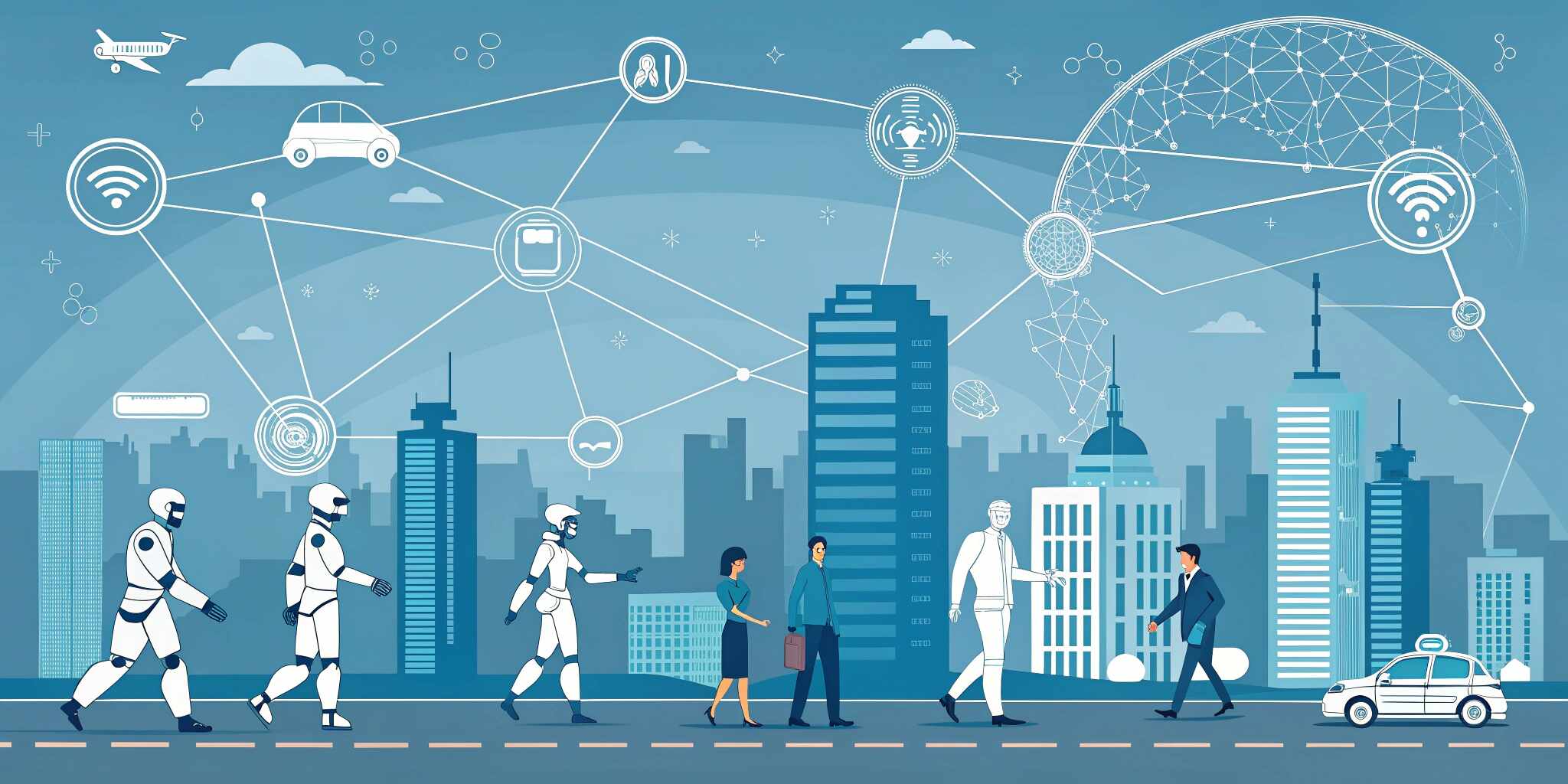
NPCs (Non-Player Characters) have always been a core part of gaming and virtual environments, but traditional NPC behavior has been mostly predictable, scripted, and limited. With AI-driven Social Simulation Networks, the gaming industry is stepping into a new era where NPCs can think, react, form relationships, and evolve in ways that mimic human-like social behavior. These systems unlock dynamic and immersive experiences that redefine the role of NPCs in interactive worlds.
What Are AI NPC Social Simulation Networks?
AI NPC Social Simulation Networks combine advanced artificial intelligence, behavioral modeling, and multi-agent systems to create NPCs capable of independent thinking and social interaction. Unlike classic NPCs that follow fixed scripts, these AI-driven characters can:
- Build and break relationships
- Learn from player actions
- Develop personalities and emotions
- Adapt to environmental changes
- Form communities, alliances, and conflicts
- Remember past interactions
This intelligent social ecosystem turns NPCs into living participants within virtual worlds rather than simple background characters.
How the Technology Works
Several advanced AI technologies enable NPC Social Simulation Networks:
1. Agent-Based Modeling
Each NPC functions as an “agent” with its own goals, values, and decision-making logic. These agents interact within a shared environment, producing emergent group behavior.
2. Personality & Emotional Models
Frameworks like OCEAN (Openness, Conscientiousness, Extraversion, Agreeableness, Neuroticism) allow NPCs to have consistent personalities. Emotional algorithms simulate happiness, anger, fear, loyalty, and curiosity.
3. Machine Learning & Reinforcement Learning
NPCs learn from outcomes—rewarded for smart behaviors and penalized for poor decisions. Over time, they develop strategies and preferences unique to their experiences.
4. Social Graph Networks
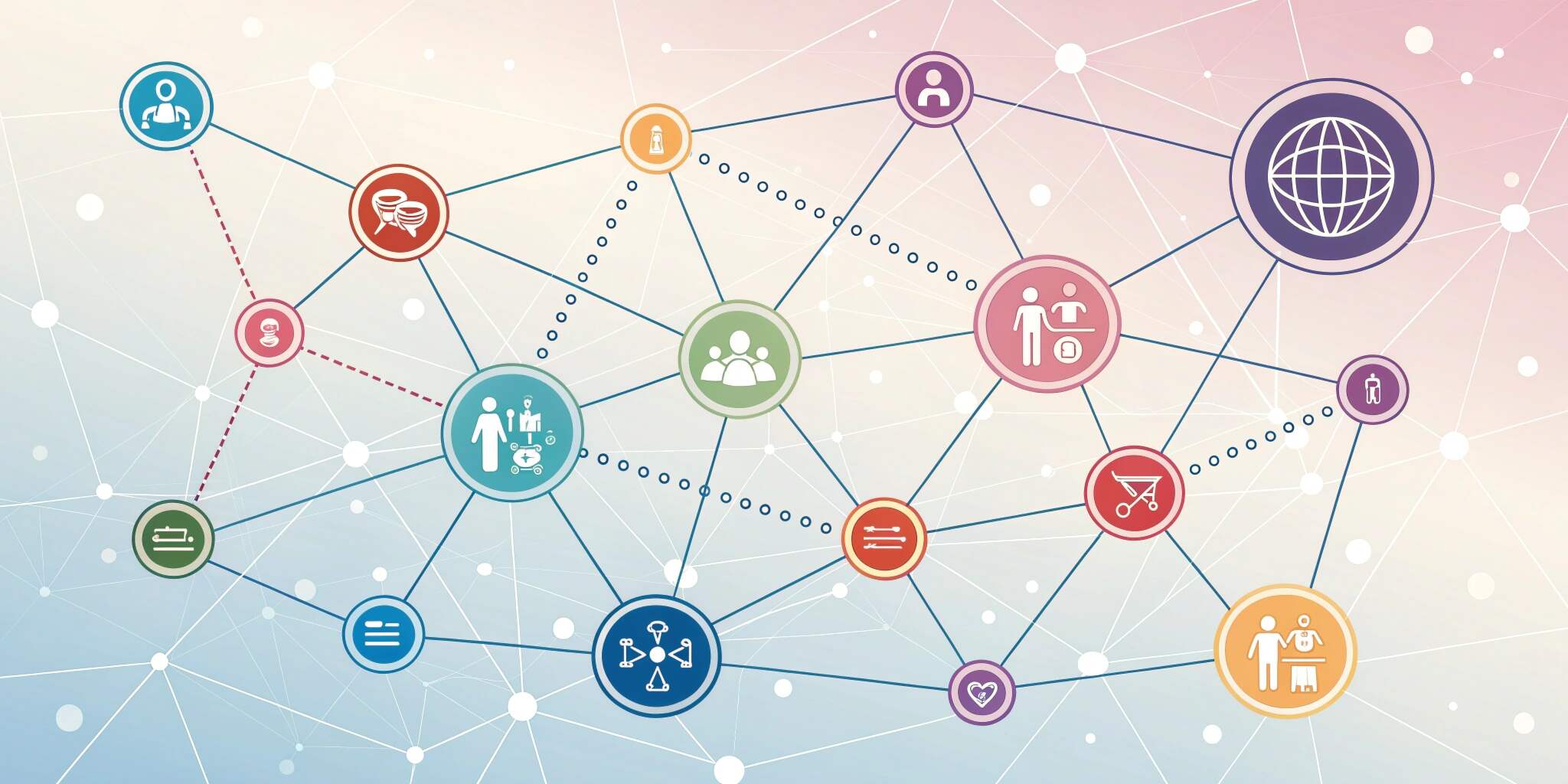
Relationships between NPCs are mapped as connected networks. Trust, influence, rivalry, and loyalty shape how NPCs behave within groups.
5. Procedural Behavior Generation
AI generates NPC actions, dialogues, and reactions dynamically, ensuring no two interactions are the same.
Real-World Use Cases in Gaming and Virtual Worlds
Open-World Games
Games like GTA, Skyrim, or Red Dead Redemption can use AI NPC networks to make towns more alive—people react to weather, relationships, and player choices.
MMOs & Metaverse Platforms
NPCs can serve as guides, traders, quest givers, or social participants who adapt to player behavior and community trends.
Simulation Games
Management sims and city-builders benefit from NPCs that behave realistically, influencing economy, politics, and social dynamics.
Training & Education Simulations
NPC networks help simulate realistic social situations for training in areas like:
- Disaster responses
- Military operations
- Crowd behavior
- Corporate leadership
Benefits of AI NPC Social Simulation Networks
1. Next-Level Immersion
NPCs feel alive, making worlds more engaging and unpredictable.
2. Dynamic Storytelling
Narratives adapt to NPC social changes, forming infinite possible story outcomes.
3. Personalized Experiences
NPCs respond uniquely to each player’s decisions, creating tailored gameplay paths.
4. Increased Replayability
The unpredictability of AI-driven social dynamics ensures each playthrough is fresh.
Challenges & Limitations
While promising, the technology faces challenges:
- High computational cost for real-time social simulations
- Risk of unpredictable NPC behavior affecting gameplay balance
- Complex design requirements for believable emotions and relationships
- Ethical questions around intelligent agents in persistent worlds
Balancing realism with control remains a key development hurdle.
The Future of NPC Social Intelligence
The next decade will see AI NPC networks evolve into fully autonomous participants in virtual worlds. We can expect:
- NPCs with lifelong memories
- Persistent NPC societies that evolve even when players are offline
- NPC economies, political systems, and cultural identities
- Hybrid AI models combining LLMs with real-time simulation
- Emotionally intelligent NPCs capable of negotiation, cooperation, and conflict
As the boundary between human players and AI-driven characters fades, gaming worlds will become deeper, more immersive, and more alive than ever before.