Introduction: The Evolution of the Web
The internet has transformed dramatically since its inception. Web 1.0 was the “read-only” internet, where users could only consume information. Web 2.0 introduced social media, interactivity, and user-generated content, but centralized platforms gained enormous power over data. Now, Web 3.0 and the decentralized internet aim to restore control to users by leveraging blockchain and peer-to-peer technologies.
What is Web 3.0?
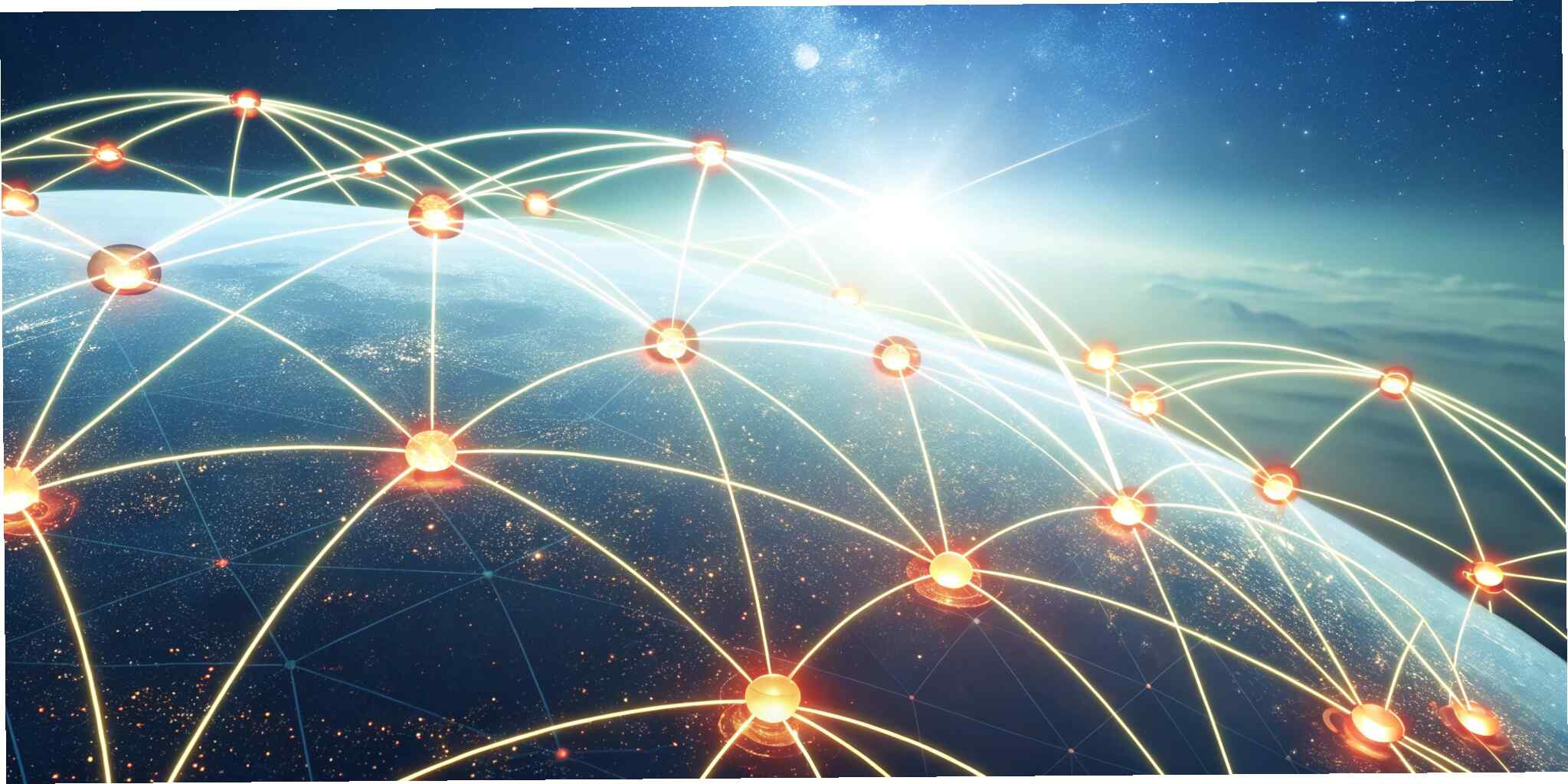
Web 3.0 represents the next phase of the internet—a decentralized, user-centric model. Unlike Web 2.0, where companies control platforms and data, Web 3.0 runs on blockchain, enabling transparent, secure, and trustless interactions.
Key characteristics of Web 3.0 include:
- Decentralization: No single entity controls the system.
- Blockchain Technology: Ensures transparency and immutability.
- Semantic Web: Smarter data interpretation for better search and personalization.
- Interoperability: Applications and systems connect seamlessly.
- Ownership of Data: Users control their digital identity and assets.
How Does Decentralization Work?
Decentralization means shifting power from corporations to communities. Instead of storing information on a central server, decentralized apps (dApps) distribute data across blockchain networks. Smart contracts automate processes, eliminating intermediaries. For example:
- Finance (DeFi): Users can trade, borrow, and lend without banks.
- Social Media: Platforms where users own their content and can monetize directly.
- Cloud Storage: Files stored across multiple nodes, preventing single-point failures.
Benefits of Web 3.0 and the Decentralized Internet
- User Empowerment: Individuals own their data and digital identities.
- Security: Blockchain reduces risks of data breaches and cyberattacks.
- Privacy: Users can choose what data to share.
- Transparency: All transactions are verifiable on blockchain.
- Innovation: Encourages new business models like NFTs and decentralized finance.
Challenges and Limitations
While Web 3.0 promises much, challenges remain:
- Scalability Issues: Blockchains still face transaction speed limitations.
- User Adoption: Many users are unfamiliar with crypto wallets or dApps.
- Regulation: Governments are still figuring out how to regulate decentralized ecosystems.
- Energy Consumption: Some blockchain networks consume significant power.
Use Cases Across Industries
- Finance: DeFi apps are disrupting traditional banking.
- Healthcare: Secure sharing of medical records with patient control.
- Supply Chain: Transparent tracking of goods from origin to delivery.
- Entertainment: Creators monetizing content directly via NFTs.
The Future of the Decentralized Internet
Web 3.0 is still in its early stages, but it’s gaining momentum. With tech giants, startups, and governments exploring blockchain, the decentralized internet could become the new norm. As adoption grows, we may see a fairer, more open digital world where users—not corporations—hold the power.
Conclusion
Web 3.0 and the decentralized internet signify a shift from centralized control to user empowerment. By enabling privacy, transparency, and ownership, it has the potential to redefine the way we interact online. Though challenges exist, the vision of a free and decentralized digital world is closer than ever.