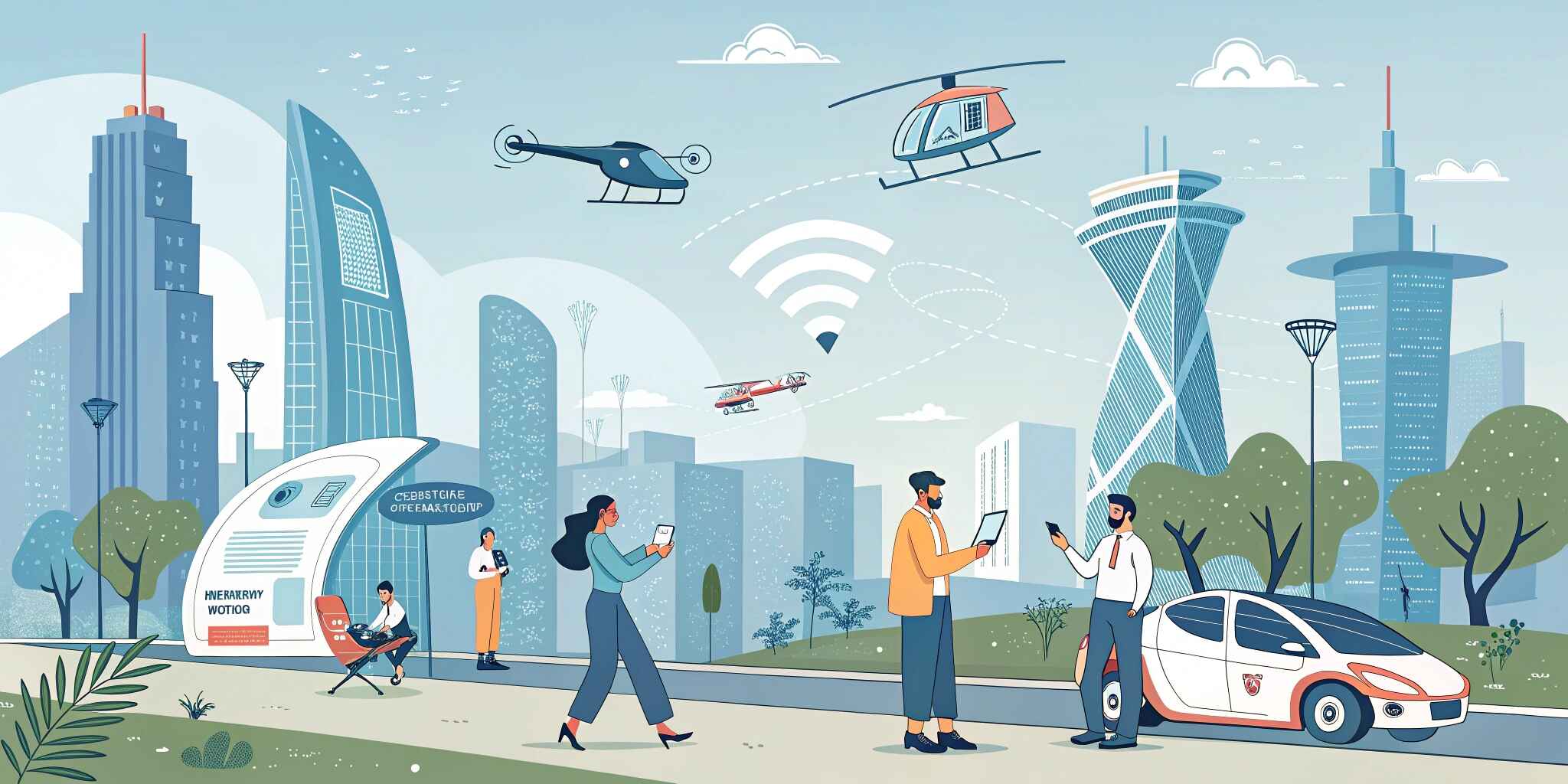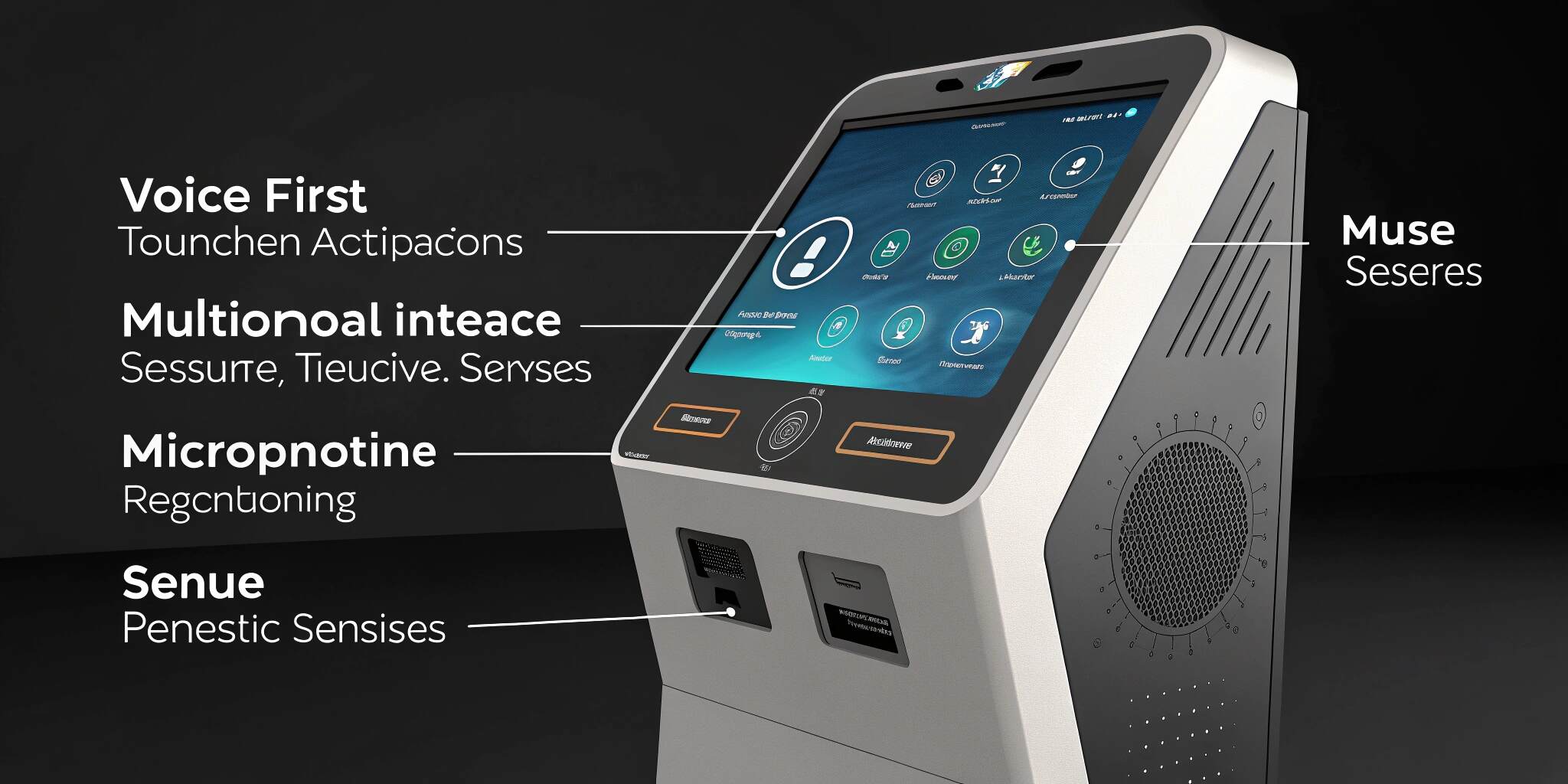
Human-computer interaction is evolving beyond keyboards, touchscreens, and point-and-click mechanisms. With the rapid development of AI, natural language processing, and sensor technologies, voice-first and multimodal interfaces are becoming central to how users interact with devices. These technologies are reshaping not just apps and websites, but the very way we perceive and navigate the digital world.
What Are Voice-First and Multimodal Interfaces?
- Voice-First Interfaces prioritize voice commands as the primary mode of input. Users speak to devices, expecting real-time, accurate responses. Examples include Amazon Alexa, Google Assistant, and Siri.
- Multimodal Interfaces combine multiple interaction modes such as voice, gesture, touch, text, and visual inputs. The goal is to make the interaction more natural, intuitive, and human-like.
This shift isn't just about convenience—it's about accessibility, efficiency, and creating seamless digital experiences.
Why Voice-First is Gaining Momentum
- Hands-Free Interaction: Ideal for multitasking environments like driving, cooking, or operating machinery.
- Faster Commands: Voice is often quicker than typing or tapping, improving user efficiency.
- Natural Communication: Speaking is instinctive, reducing the learning curve for new tech.
- Accessibility: Voice interfaces empower users with visual or motor impairments.
As voice recognition systems become more accurate with machine learning, their adoption across devices and platforms grows exponentially.
Multimodal Interfaces: Enhancing Flexibility and Engagement
While voice alone is powerful, it isn’t always sufficient. That's where multimodal interfaces come in. These systems interpret and respond based on a combination of inputs—for example, using voice commands in tandem with touch gestures or facial expressions.
Use Cases Include:
- Healthcare: Doctors using voice to input patient data while gesturing to display results.
- Automotive: Drivers using voice to play music and gestures to control the navigation panel.
- Retail and E-commerce: Shoppers using voice search alongside visual product scanning.
This layered approach improves context understanding and enables more responsive, dynamic interactions.
Key Technologies Powering the Movement
- Natural Language Processing (NLP)
- Speech-to-Text and Text-to-Speech Engines
- Facial Recognition & Gesture Sensors
- Contextual AI Models
- Edge AI for Real-Time Voice Processing
- AR/VR for Visual Interaction Overlays
These tools together enable fluid, real-time interpretation of multi-sensory inputs—crucial for robust multimodal systems.
Design Principles for Voice-First and Multimodal UX
- Clarity in Feedback: Always confirm actions via voice or visuals to keep the user informed.
- User Intent Mapping: Understand and predict what the user wants across different input types.
- Error Recovery Paths: Offer simple fallback options if a voice or gesture input fails.
- Consistent Context: Maintain conversation or task state across input modes.
- Privacy & Consent: Always design with ethical data handling in mind, especially with voice and camera inputs.
Challenges in Implementation
- Accents & Dialects: Variability in speech patterns can reduce accuracy.
- Noise Interference: Background sound often disrupts voice recognition.
- Context Awareness: Hard for AI to always interpret mixed input correctly.
- Hardware Limitations: Not all devices support advanced multimodal inputs yet.
- Privacy Concerns: Always-on microphones and cameras raise significant data concerns.
Despite these, innovation is fast bridging these gaps.
The Future of Voice and Multimodal Interfaces
The next wave will feature AI-powered assistants that remember user preferences, learn from multimodal cues, and adapt interactions accordingly. Integration with IoT, smart homes, wearables, and automotive systems will make such interfaces ubiquitous.
In the long term, zero UI may emerge—an interaction model where users engage with systems without traditional screens, relying purely on context-aware voice, gestures, and visuals.
Conclusion
Voice-first and multimodal interfaces are not just trends—they're reshaping how we connect with technology. As developers and designers, embracing these interfaces means creating more human, inclusive, and immersive digital experiences. The future is not just about clicking or typing—it's about talking, moving, and interacting naturally with machines.