Main Content
Modern web development has evolved rapidly, but tooling has often struggled to keep pace. Long build times, fragmented workflows, and performance bottlenecks continue to slow teams down. This is where the concept of a Unified Toolchain comes into play—especially when powered by Vite+ and Rust-based tooling.
What Is a Unified Toolchain?
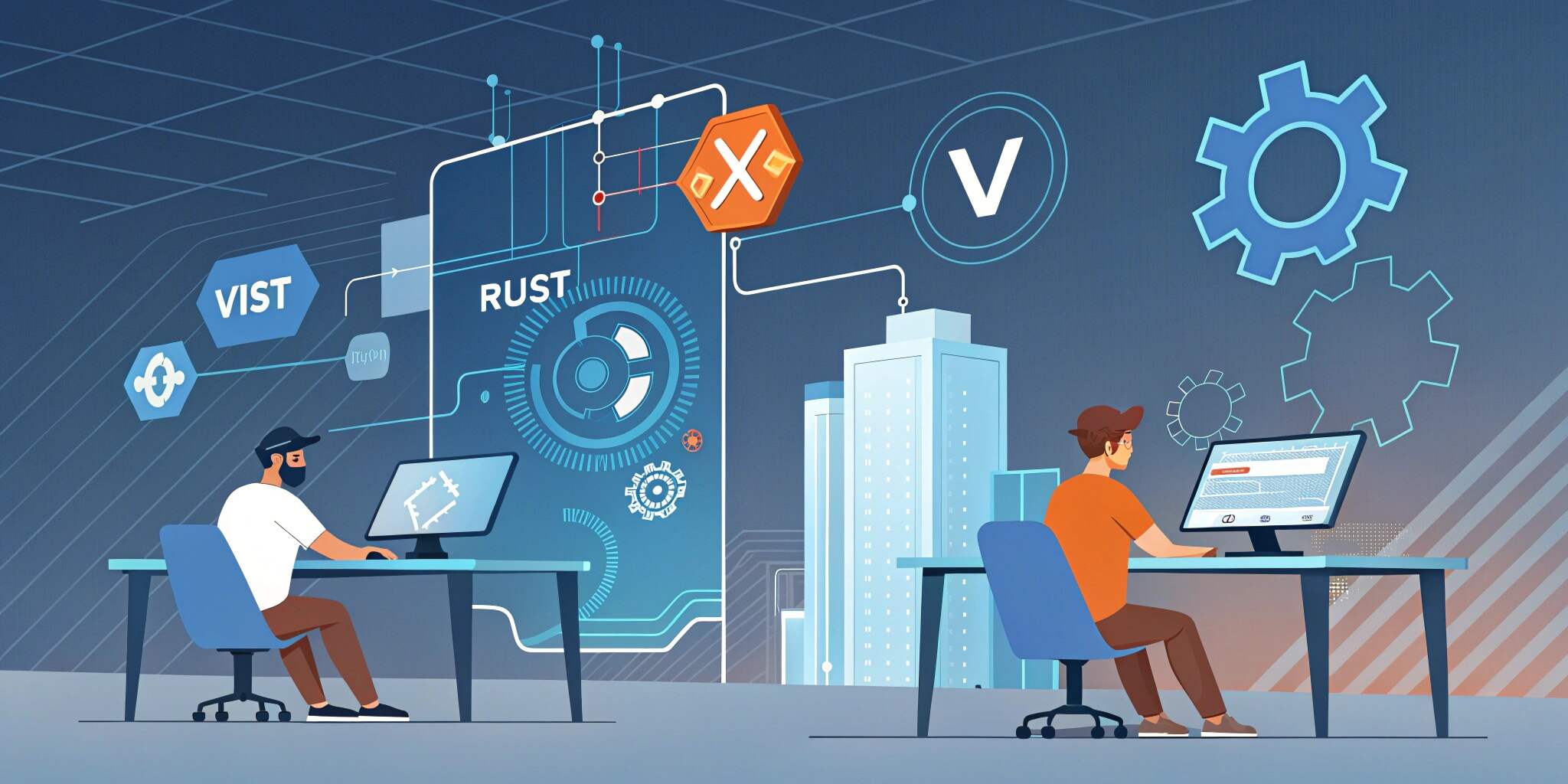
A unified toolchain refers to an integrated set of development tools that work seamlessly together across the entire application lifecycle. Instead of relying on multiple disconnected tools for bundling, linting, formatting, and testing, developers use a cohesive ecosystem designed for speed, reliability, and scalability.
Vite+ acts as the frontend engine, while Rust-based tools handle performance-critical operations, creating a powerful and modern development workflow.
Why Vite+ Is a Game Changer
Vite has quickly become a favorite among frontend developers. Unlike traditional bundlers, Vite uses native ES modules during development, enabling instant server start and lightning-fast hot module replacement (HMR).
Key benefits of Vite+ include:
- Near-instant development server startup
- Faster rebuilds and HMR
- Optimized production builds
- Framework-agnostic support (React, Vue, Svelte, and more)
Vite+ extends this foundation by integrating additional tooling and plugins, making it easier to build complex, production-grade applications without sacrificing speed.
The Power of Rust-Based Tooling
Rust has emerged as a leading language for building developer tools due to its performance, memory safety, and reliability. Many modern tools—such as compilers, linters, and bundlers—are now written in Rust to replace slower JavaScript-based alternatives.
Rust-based tooling brings:
- Blazing-fast execution
- Lower memory usage
- Improved security and stability
- Predictable performance at scale
Popular examples include Rust-powered formatters, linters, and compilers that outperform traditional Node.js tools by a significant margin.
Why Combine Vite+ with Rust?
Individually, Vite and Rust-based tools are impressive. Together, they form a unified, high-performance toolchain that addresses the biggest pain points of modern development.
This combination allows:
- Frontend bundling handled efficiently by Vite
- Heavy processing tasks executed by Rust tools
- Reduced dependency overhead
- Faster CI/CD pipelines
- Consistent developer experience across teams
By offloading performance-intensive operations to Rust, developers get speed without compromising flexibility.
Improved Developer Experience
A unified toolchain dramatically improves developer experience (DX). Faster feedback loops mean developers spend less time waiting and more time building. Errors are caught earlier, builds are predictable, and onboarding new team members becomes easier due to standardized tooling.
This setup also minimizes configuration complexity, making projects easier to maintain in the long run.
Scalability and Future Readiness
As applications grow, tooling must scale with them. A Vite+ and Rust-based toolchain is designed for modern, large-scale applications. It handles increasing codebases, larger teams, and complex build pipelines with ease.
Additionally, Rust’s growing ecosystem ensures that this approach is future-proof, aligning with emerging trends in performance-focused development.
Final Thoughts
The unified toolchain powered by Vite+ and Rust-based tooling represents the future of modern web development. It delivers speed, reliability, and scalability while significantly enhancing developer productivity.
For teams looking to optimize workflows, reduce build times, and prepare for the next generation of applications, adopting a unified toolchain is no longer optional—it’s essential.