In today’s fast-paced IT landscape, organizations need structured processes to deliver efficient and reliable IT services. The IT Infrastructure Library (ITIL) framework is a globally recognized approach to IT Service Management (ITSM), offering best practices that align IT services with business needs.
What is ITIL?
ITIL is a set of detailed practices designed to standardize IT services across organizations. It focuses on delivering value to customers by managing risk, improving efficiency, and ensuring continuous service improvement.
Core Components of ITIL
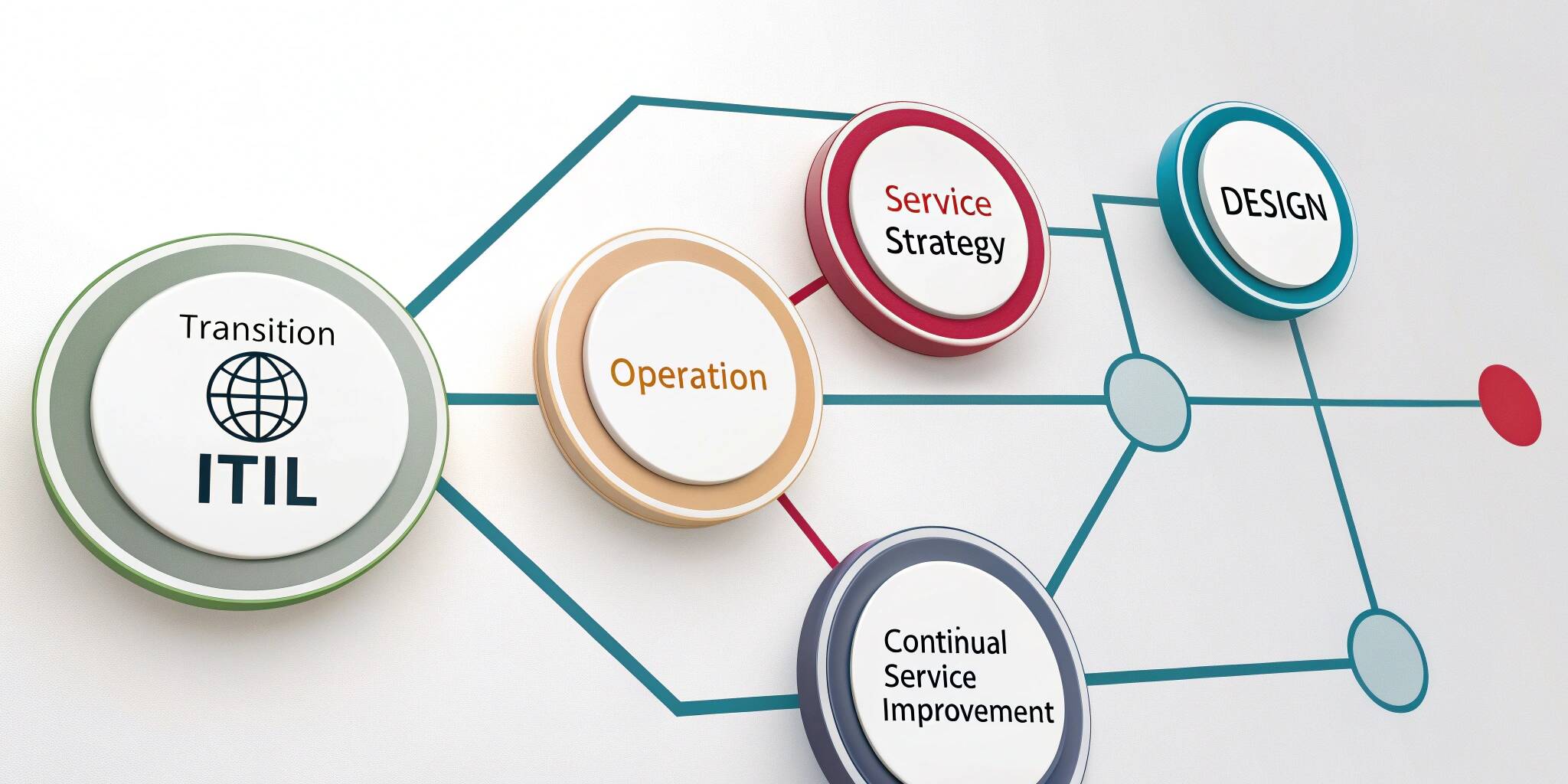
- Service Strategy – Defining business goals and aligning IT services to meet them.
- Service Design – Designing services, processes, and policies to deliver value.
- Service Transition – Managing changes, releases, and deployments.
- Service Operation – Ensuring smooth and reliable daily operations.
- Continual Service Improvement (CSI) – Measuring and improving processes.
Benefits of ITIL Framework
- Improved Efficiency: Streamlined processes and reduced downtime.
- Better Customer Satisfaction: Services aligned with user needs.
- Risk Management: Proactive identification and mitigation of IT risks.
- Business Alignment: Ensures IT strategy supports business goals.
- Cost Optimization: Avoids wasted resources through efficient processes.
Challenges in ITIL Implementation
- Requires cultural change in organizations.
- Initial training and certification costs may be high.
- Needs continuous monitoring and improvement for long-term success.
Conclusion
The ITIL framework provides a structured, proven approach to IT service management. While challenges exist in adoption, the benefits in terms of efficiency, customer satisfaction, and business alignment make ITIL a valuable asset for IT-driven organizations.