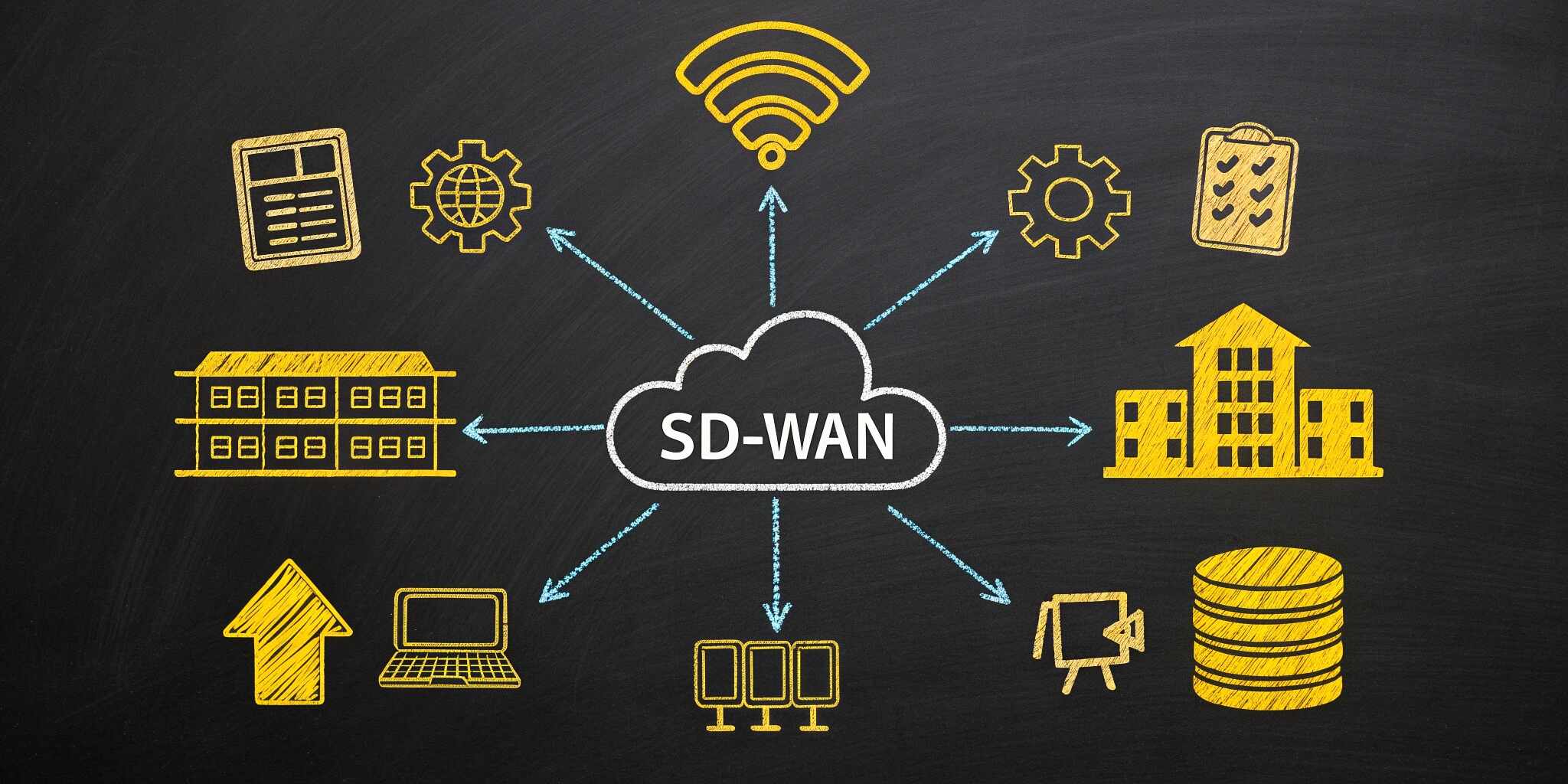
Enterprise networking has undergone a massive shift over the past decade. With cloud adoption, remote work, and the growing reliance on SaaS applications, traditional WAN architectures are struggling to keep up. Enter Software-Defined Wide Area Networking (SD-WAN) — a modern solution designed to provide flexibility, security, and performance in today’s distributed IT environments.
In this blog, we’ll explore the role of SD-WAN in modern enterprise networking, its benefits, challenges, and why businesses are moving away from legacy WAN solutions.
What is SD-WAN?
SD-WAN is a virtualized WAN architecture that allows organizations to securely connect users to applications by intelligently routing traffic across the best available network path. Unlike traditional WANs that rely heavily on MPLS circuits, SD-WAN leverages multiple transport services such as broadband, LTE, and 5G, offering flexibility and cost savings.
Why Traditional WAN is No Longer Enough
Legacy WAN architectures were built for a world where applications were hosted in on-premises data centers and traffic followed a predictable path. Today, with SaaS, IaaS, and hybrid cloud environments, enterprise traffic patterns have shifted dramatically. Routing all traffic through centralized data centers creates latency, bottlenecks, and higher costs.
SD-WAN solves this by providing direct-to-cloud connectivity, ensuring that applications like Microsoft 365, Salesforce, or Zoom run smoothly without unnecessary delays.
Key Benefits of SD-WAN in Enterprise Networking
- Optimized Application Performance
- SD-WAN uses real-time traffic monitoring and intelligent routing to ensure that business-critical applications always get the best available bandwidth and lowest latency.
- Enhanced Security
- Many SD-WAN solutions come with built-in security features such as encryption, firewalls, and integration with Secure Access Service Edge (SASE) frameworks, protecting enterprises from cyber threats.
- Cost Efficiency
- By combining affordable broadband internet with existing MPLS links, businesses can significantly reduce WAN costs without compromising performance.
- Support for Remote and Hybrid Workforces
- With the rise of remote work, SD-WAN ensures employees can securely connect to company resources from anywhere, improving productivity and user experience.
- Cloud Readiness
- SD-WAN provides seamless, direct connections to public and private cloud services, reducing latency and improving access to SaaS and IaaS platforms.
SD-WAN and Digital Transformation
Digital transformation initiatives demand agility, scalability, and a secure foundation. SD-WAN aligns perfectly with these needs by:
- Supporting multi-cloud adoption.
- Enabling rapid branch deployments.
- Reducing IT complexity through centralized management.
- Offering scalability for growing digital operations.
Enterprises leveraging SD-WAN are better positioned to adapt to business changes, support new digital services, and compete in dynamic markets.
Challenges of SD-WAN Adoption
While SD-WAN brings numerous benefits, organizations must address some challenges:
- Integration Complexity: Deploying SD-WAN in existing networks requires careful planning.
- Security Gaps: Not all SD-WAN solutions offer comprehensive security; integration with SASE may be necessary.
- Vendor Selection: Choosing the right SD-WAN provider with reliable SLAs and global coverage is critical.
The Future of SD-WAN
The future of SD-WAN lies in convergence with SASE (Secure Access Service Edge), AI-driven network automation, and tighter cloud integration. As businesses continue to move workloads to the cloud and expand remote operations, SD-WAN will evolve into a critical backbone for enterprise networking.
Conclusion
SD-WAN is no longer just a networking trend—it is becoming the default WAN architecture for modern enterprises. By enhancing performance, strengthening security, and reducing costs, SD-WAN plays a vital role in helping organizations achieve digital transformation and meet the demands of a cloud-first, mobile workforce.
Enterprises that invest in SD-WAN today are laying the foundation for a more agile, secure, and future-ready IT infrastructure.