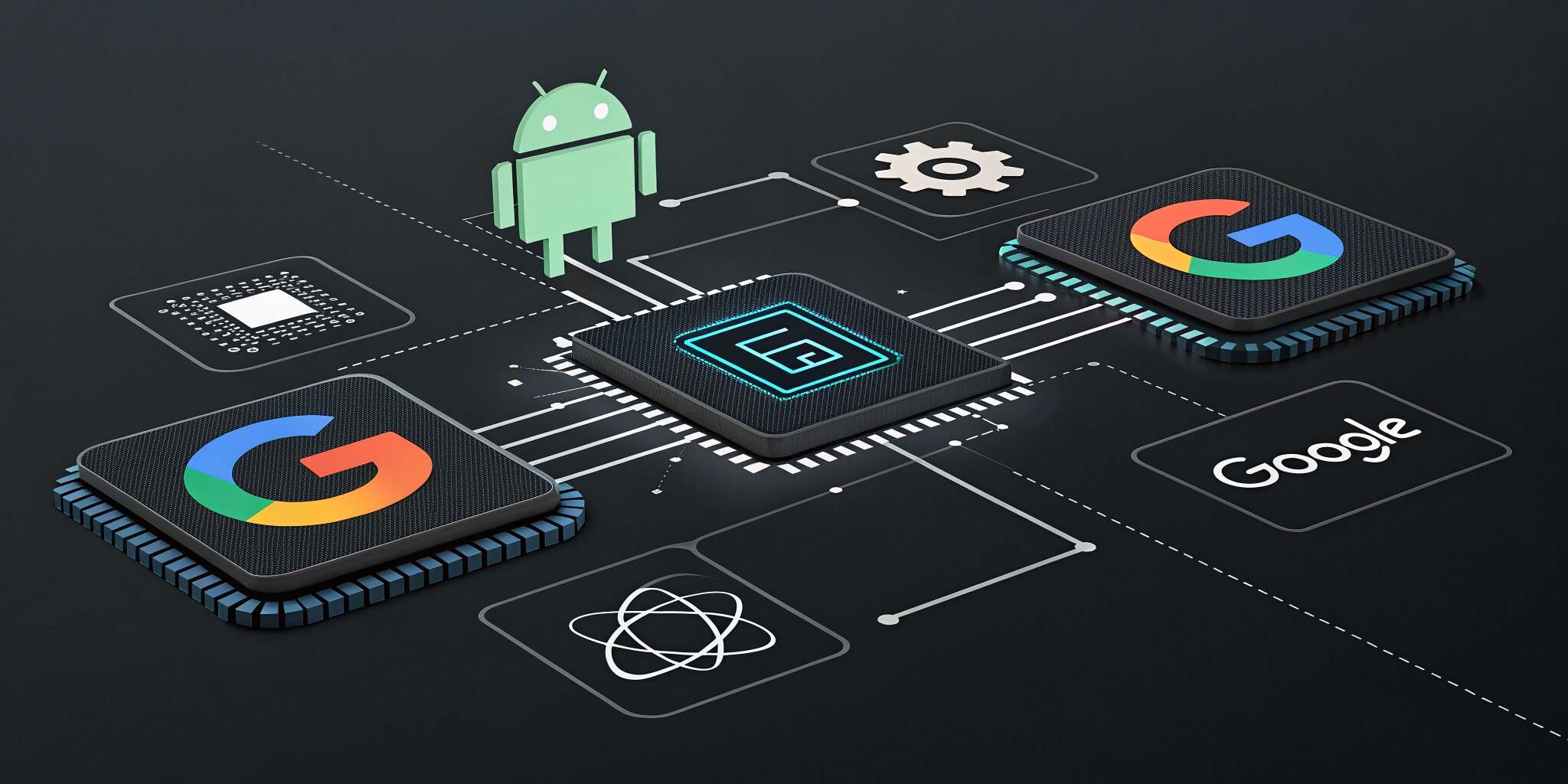
Artificial Intelligence is rapidly becoming the cornerstone of modern Android development, and two leading players—OpenAI and Google Gemini—are driving this transformation. Their integration into development workflows, user experiences, and app ecosystems is redefining how developers build, test, and optimize Android applications. As the mobile landscape shifts toward intelligent, adaptive, and predictive systems, understanding the impact of these AI technologies becomes critical for every developer.
The Evolution of AI in Android Development
Traditionally, Android development was driven by manual coding, predefined user flows, and static features. However, with the advent of machine learning and natural language processing, developers now have access to tools that can understand intent, generate code, and even create content dynamically. OpenAI’s models—such as ChatGPT—have revolutionized natural language understanding, while Google Gemini, Google’s multimodal AI, introduces a new level of contextual intelligence by combining text, images, code, and even voice.
These advancements allow Android developers to move from reactive to proactive app design—where applications anticipate user needs, provide personalized recommendations, and automate complex interactions.
How OpenAI Is Enhancing Android Development
OpenAI’s suite of tools empowers developers with intelligent code generation, debugging support, and UI text generation. For instance, developers can use OpenAI-powered APIs to:
- Accelerate coding workflows by generating Kotlin or Jetpack Compose snippets through natural language prompts.
- Enhance in-app experiences by integrating ChatGPT for conversational AI and customer support.
- Create smart assistants that understand context, perform tasks, and improve user engagement.
- Generate dynamic content such as summaries, recommendations, or insights based on user input.
Moreover, OpenAI models can analyze app behavior logs to suggest performance improvements or identify security gaps—enabling a more data-driven approach to development.
Google Gemini: The Future of Integrated Android AI
Google Gemini represents the next generation of AI integration within the Android ecosystem. Unlike isolated AI tools, Gemini is deeply connected to Google’s cloud, Android Studio, and Play Services. It enables developers to seamlessly incorporate multimodal capabilities—where the AI understands not only text but also images, voice, and environment data.
Key ways Gemini impacts Android development include:
- AI-Assisted Code Suggestions: Gemini integrates with Android Studio to offer intelligent autocomplete, bug detection, and code optimization in real-time.
- Context-Aware App Features: Developers can design apps that adapt based on location, camera inputs, or user activity using Gemini’s multimodal data processing.
- Enhanced Accessibility: AI-driven speech recognition and translation tools improve app usability for global audiences.
- Data Security and Ethics: Google’s responsible AI principles ensure data privacy and transparency in app development.
This integration ensures that AI features are not an add-on but a native component of the Android experience—offering speed, intelligence, and personalization.
Combining OpenAI and Gemini: The Perfect Duo for Developers
While OpenAI brings advanced generative and conversational capabilities, Gemini focuses on native integration within the Android and Google Cloud ecosystem. Together, they enable a hybrid development environment where creativity meets automation. Developers can use OpenAI APIs for natural interactions and Gemini for seamless system-level integration—resulting in highly responsive, AI-first applications.
For example, an app can use OpenAI for text generation and sentiment analysis, while Gemini handles contextual actions like fetching data from Google services or adjusting UI elements based on environmental inputs.
Challenges and Ethical Considerations
The rise of AI-driven Android development also brings challenges. Issues like model bias, data privacy, and over-dependence on automated tools can impact app quality and trust. Developers must ensure that AI models are used responsibly, with transparency in data usage and user consent. Regular audits, human oversight, and secure API management are essential in maintaining ethical AI practices.
The Road Ahead for Android Developers
As AI models continue to evolve, Android developers will increasingly collaborate with intelligent assistants that understand context, predict needs, and generate optimized code. The combination of OpenAI’s creativity and Gemini’s system-level intelligence will make app development faster, more efficient, and user-centric than ever before. The next wave of Android innovation will be defined by AI-empowered development, where code writes itself, interfaces adapt dynamically, and apps learn continuously from their users.