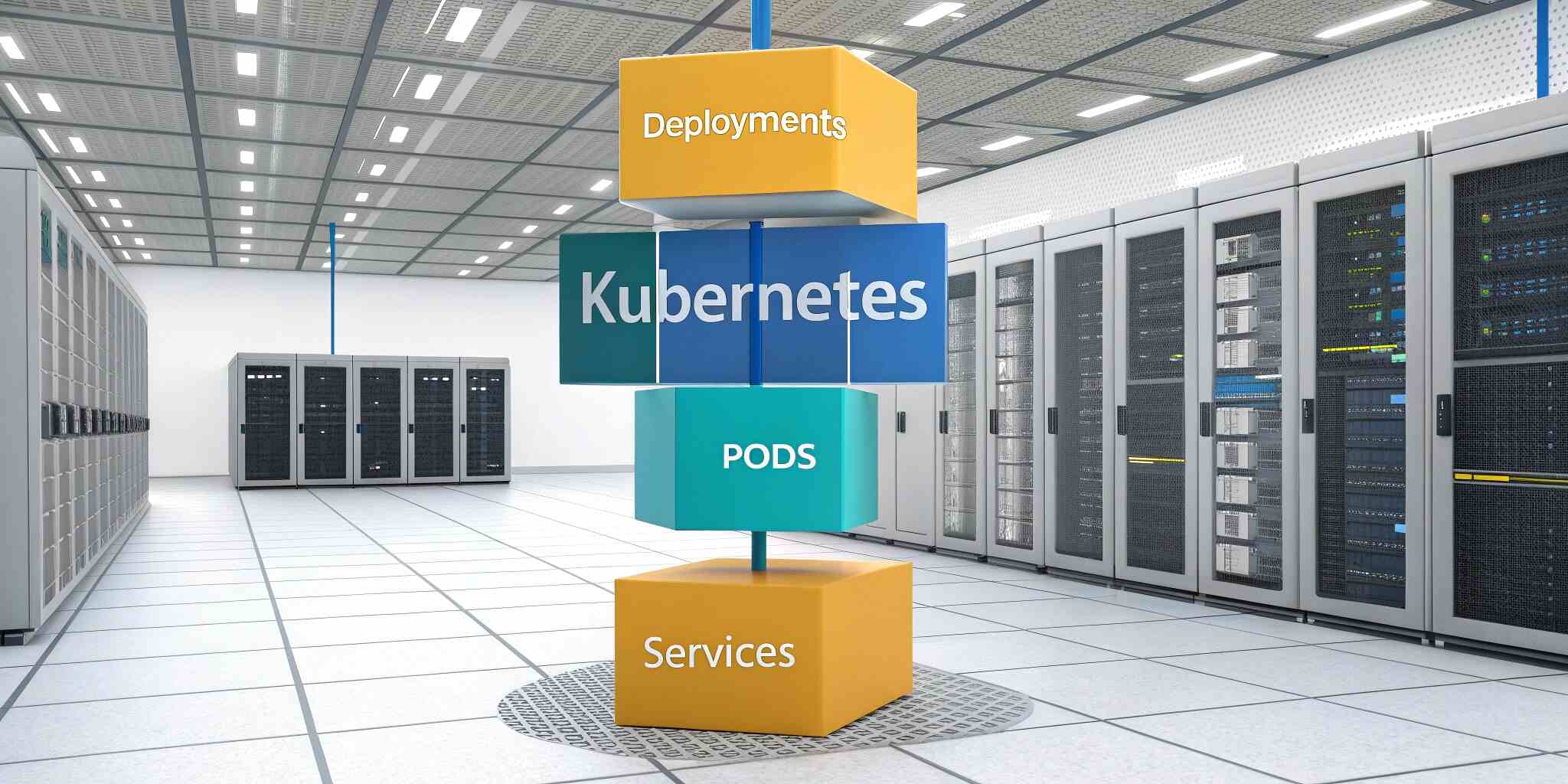
IT infrastructure has undergone a radical transformation in recent years. The rise of cloud-native applications, microservices, and DevOps practices has created the need for tools that simplify deployment and management at scale. Kubernetes has emerged as the leading solution, revolutionizing how IT teams handle modern infrastructure.
1. What is Kubernetes?
Kubernetes (often abbreviated as K8s) is an open-source container orchestration platform. Originally developed by Google, it is now maintained by the Cloud Native Computing Foundation (CNCF). Kubernetes automates:
- Deployment of applications
- Scaling up and down based on demand
- Management of containerized workloads
- Self-healing when containers fail
With Kubernetes, IT teams can focus more on innovation and less on manual infrastructure tasks.
2. Why Kubernetes Matters in 2025
Modern IT infrastructure is:
- Multi-cloud and hybrid
- Distributed and microservice-driven
- Fast-paced and agile
Kubernetes provides a unified solution to manage this complexity. It abstracts away infrastructure details, allowing developers and operations teams to deploy applications consistently, regardless of the environment.
3. Core Features of Kubernetes
FeatureDescriptionAutomated DeploymentManages rolling updates and rollbacks.ScalingAutomatically adjusts based on traffic.Self-healingRestarts failed containers and maintains desired state.Load BalancingDistributes network traffic to keep services stable.Configuration ManagementManages secrets and environment variables securely.Service DiscoveryAutomatically connects services and containers.
4. Benefits of Using Kubernetes
- Portability: Run workloads anywhere—on-premises, private cloud, or public cloud.
- Resource Efficiency: Optimizes hardware usage with containerization.
- Faster Development Cycles: Supports DevOps pipelines and continuous delivery.
- Resilience: Ensures high availability and fault tolerance.
- Vendor Neutrality: Avoid cloud vendor lock-in by running workloads across providers.
5. Real-World Use Cases
- SaaS Platforms: Deploying multiple microservices with automated scaling.
- E-commerce Sites: Handling traffic spikes during promotions or holidays.
- Enterprise IT: Modernizing legacy apps with containerization.
- AI/ML Workloads: Managing scalable machine learning pipelines.
- CI/CD Pipelines: Running consistent test, build, and deploy environments.
6. Kubernetes in a Multi-Cloud World
Kubernetes plays a key role in multi-cloud strategies by allowing companies to:
- Deploy applications across AWS, Azure, and Google Cloud simultaneously
- Avoid single-vendor dependency
- Ensure consistent configurations across environments
7. Challenges to Consider
- Learning Curve: Kubernetes has a steep initial learning phase.
- Security: Misconfigured clusters can be vulnerable if not properly secured.
- Monitoring Complexity: Requires robust observability tools (e.g., Prometheus, Grafana).
- Resource Management: Needs careful planning to avoid overprovisioning.
Conclusion
Kubernetes has become the cornerstone of modern IT infrastructure, powering everything from small startups to global enterprises. By automating deployment, scaling, and management of containers, Kubernetes enables IT teams to innovate faster, reduce downtime, and operate more efficiently. In 2025 and beyond, Kubernetes isn’t just an option—it’s becoming the standard for cloud-native infrastructure management.