In today’s interconnected world, Information Technology (IT) has become the heartbeat of global healthcare transformation. From remote consultations to data-driven decision-making, IT enables medical professionals to deliver timely, efficient, and accessible care—no matter where the patient is located.
The fusion of technology and healthcare, often referred to as digital health, has accelerated dramatically in recent years, especially with the rise of telemedicine—a system that allows patients and doctors to connect virtually using digital platforms. Together, they’re revolutionizing how healthcare is accessed, delivered, and managed on a global scale.
1. The Emergence of Telemedicine and Global Health IT
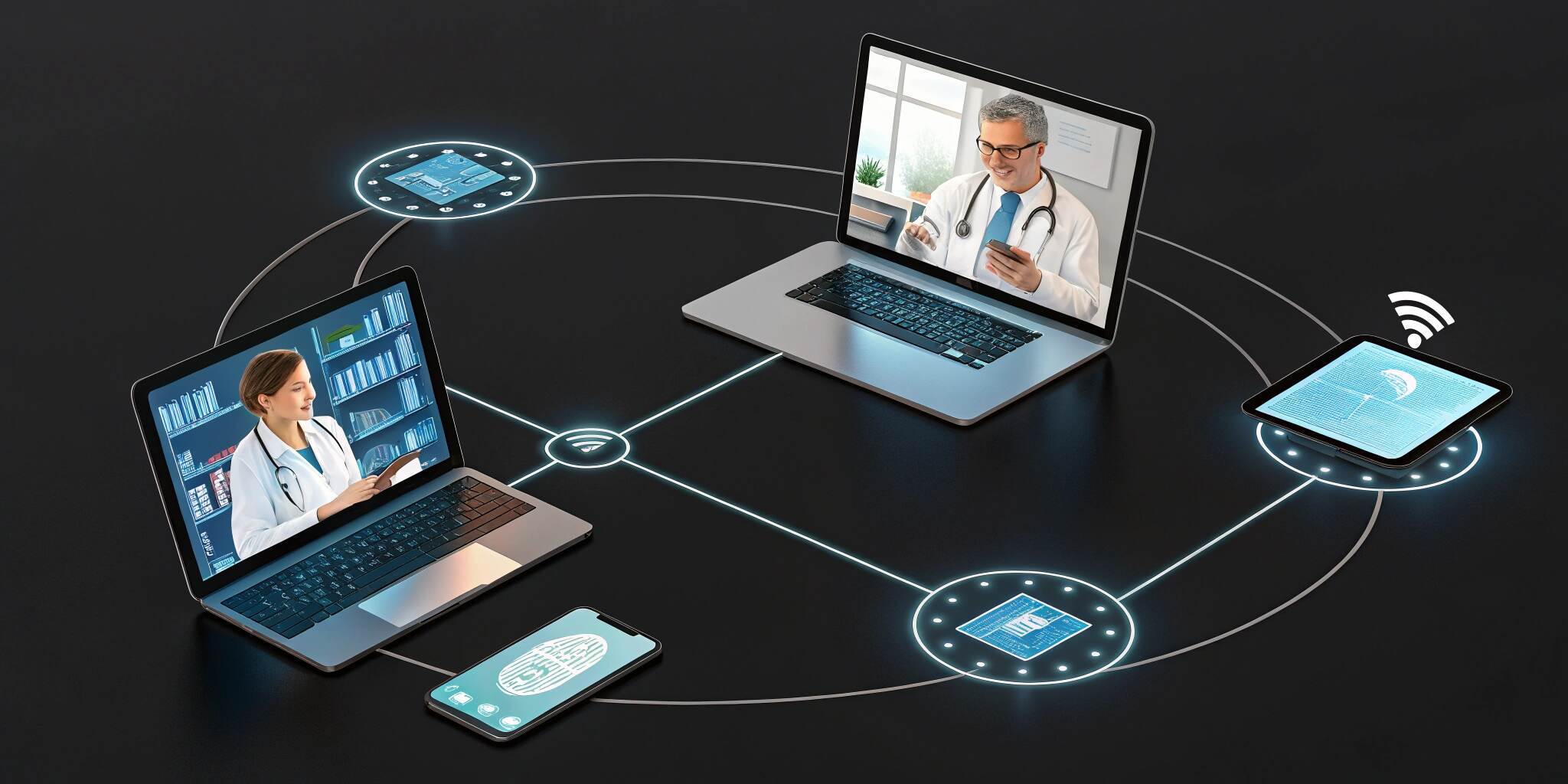
Telemedicine, once considered futuristic, has now become a cornerstone of modern healthcare. It uses IT tools such as video conferencing, mobile apps, and cloud-based systems to connect patients and healthcare providers remotely.
This innovation became especially crucial during the COVID-19 pandemic, when in-person visits were limited. Through telemedicine platforms, millions of patients could consult doctors, access prescriptions, and receive ongoing care—all from the safety of their homes.
IT infrastructure supports this ecosystem by enabling:
- Secure video communication
- Digital appointment scheduling
- Electronic prescriptions
- Remote diagnostics and monitoring
- Integration with electronic health records (EHRs)
2. How IT is Bridging the Global Healthcare Gap
Healthcare access remains one of the world’s biggest challenges. In many developing regions, remote or rural populations face a shortage of hospitals and specialists. Information Technology bridges this gap by connecting these communities with doctors across continents.
For instance, cloud-based telehealth platforms allow medical professionals in urban centers to offer virtual consultations to patients in remote areas. Mobile health (mHealth) apps provide health education, symptom tracking, and medication reminders, empowering patients to take control of their wellbeing.
Through these technologies, IT is not only improving individual health outcomes but also enhancing global disease surveillance, vaccination tracking, and pandemic response systems.
3. Role of IT in Healthcare Data Management
Healthcare generates vast amounts of sensitive data—from patient histories and lab results to imaging scans and clinical notes. Managing this data efficiently requires robust IT systems.
Electronic Health Records (EHRs) centralize patient data, making it accessible to authorized healthcare providers anywhere in the world. This ensures continuity of care, reduces errors, and supports data-driven medical decisions.
Additionally, IT-driven data analytics helps identify public health trends, predict disease outbreaks, and measure treatment effectiveness. With the power of Big Data, governments and organizations can allocate resources more efficiently and improve healthcare policies.
4. Artificial Intelligence and Automation in Healthcare
Artificial Intelligence (AI) is one of the most transformative forces in modern medicine. By analyzing vast datasets, AI algorithms can detect patterns that humans might miss.
Examples include:
- AI diagnostics: Machine learning models can analyze X-rays or CT scans to detect early signs of diseases such as cancer.
- Predictive analytics: AI forecasts potential health risks, helping physicians design preventive care plans.
- Virtual assistants: Chatbots powered by AI provide 24/7 medical guidance for common queries.
These technologies not only speed up diagnosis but also enhance precision and reduce costs, allowing doctors to focus more on patient-centered care.
5. Cloud Computing and Global Collaboration
Cloud computing has become the backbone of modern healthcare IT infrastructure. It enables medical institutions worldwide to store, access, and share health data securely.
For global health organizations such as the WHO and CDC, cloud platforms allow real-time sharing of disease data, vaccination coverage, and emergency alerts. This collaborative network improves international response to epidemics and strengthens global healthcare resilience.
Moreover, cloud technology supports telepathology (remote disease diagnosis through digital images) and tele-radiology, connecting specialists from different continents for expert consultations.
6. Wearables and Remote Patient Monitoring
IT has made personalized healthcare possible through wearable devices like fitness trackers, smartwatches, and biosensors. These devices monitor vital signs—heart rate, oxygen levels, sleep patterns—and transmit data directly to healthcare providers.
For chronic disease management (e.g., diabetes or hypertension), remote monitoring allows early intervention, reducing hospital readmissions and improving long-term outcomes.
In the future, integration between wearables, cloud computing, and AI will create a real-time health ecosystem, allowing continuous monitoring and predictive healthcare management.
7. Challenges and the Road Ahead
While IT brings remarkable opportunities, it also poses challenges such as data privacy, cybersecurity threats, and uneven access to digital infrastructure. Building robust encryption systems, adhering to health data regulations like HIPAA and GDPR, and improving internet access in developing regions are crucial next steps.
As telemedicine becomes mainstream, training healthcare professionals in digital tools and ensuring equitable access will define the future of global digital health equity.
8. Conclusion
Information Technology is not just reshaping healthcare—it’s redefining global wellbeing. From rural teleconsultations to AI-powered diagnostics, IT bridges distance, enhances quality, and saves lives.
The ongoing fusion of IT and medicine promises a world where healthcare is accessible, personalized, and proactive, no matter where you live.
In the coming decade, as technologies mature and access expands, IT will continue to serve as the digital heartbeat of global health innovation—empowering people, connecting systems, and creating a healthier planet for all.