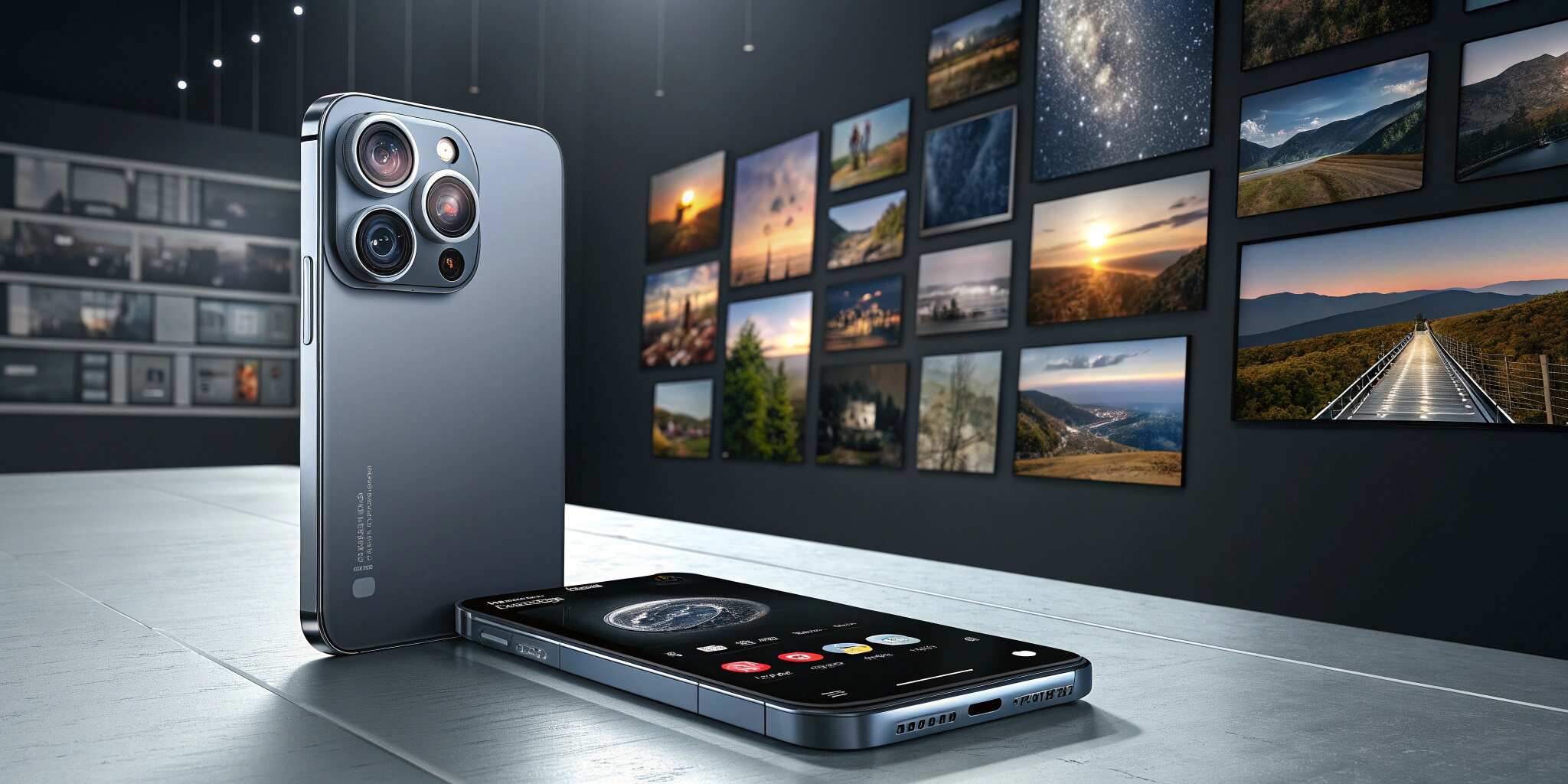
The Role of AI in Mobile Photography: Smarter Cameras for a Smarter World
Introduction
Once upon a time, smartphone cameras were just an extra feature—handy for quick snaps but no match for DSLRs or mirrorless cameras. Fast forward to today, and the story has completely changed. The secret behind this transformation isn’t just better lenses or higher megapixel counts—it’s Artificial Intelligence (AI).
AI has quietly taken over mobile photography, enabling everyday users to capture professional-grade photos with little to no effort. From enhancing portraits to stabilizing shaky videos, AI acts as the invisible assistant behind every great shot. In this blog, we’ll dive deep into how AI is shaping mobile photography, what features it powers, and what the future holds for AI-driven smartphone cameras.
1. Scene Recognition & Real-Time Optimization
One of the most powerful contributions of AI in photography is scene recognition. Instead of leaving settings like brightness, contrast, and saturation up to the user, AI does the heavy lifting in real time.
- How it works: AI scans the scene, identifies whether it’s food, a pet, a sunset, or a person, and then optimizes the camera settings automatically.
- Example: A beach shot might get enhanced skies and deeper blue tones, while a food photo looks more vibrant and appetizing.
This takes the guesswork out of photography, making every click smarter and more intuitive.
2. Computational Photography: Software Meets Hardware
Traditional cameras rely heavily on hardware. But mobile photography has leaned on computational photography, a concept powered largely by AI.
- HDR+ (High Dynamic Range): AI merges multiple shots taken at different exposures to balance highlights and shadows.
- Portrait Mode: AI separates subjects from their background to create DSLR-like bokeh effects.
- Wide-Angle & Zoom Enhancements: AI reduces distortion and sharpens fine details in zoomed or wide-angle images.
This means smartphones aren’t limited by the size of their tiny lenses—they can use software intelligence to produce images once only possible on professional cameras.
3. Low-Light & Night Photography
Perhaps the most impressive leap has been in low-light photography. Not long ago, dimly lit rooms or nightscapes produced blurry, noisy images. AI changed that.
- Frame Stacking: Multiple shots are taken in quick succession and combined for a brighter, clearer image.
- Noise Reduction: AI smooths out graininess while preserving detail.
- Adaptive Brightening: Shadows are illuminated without overexposing bright areas.
Smartphones like the Google Pixel (Night Sight) and Apple’s Night Mode showcase how AI allows users to capture stunning night photos without a flash or tripod.
4. Portrait Enhancements & Beauty Filters
Selfies and portraits dominate mobile photography, and AI ensures they look their best.
- Face Detection: AI pinpoints facial features and enhances sharpness.
- Beauty Filters: Automatically smooth skin, remove blemishes, and adjust lighting.
- Bokeh Effects: AI creates natural background blur, simulating expensive camera lenses.
Importantly, many AI beauty tools now offer a more natural look, avoiding the overly filtered results of the past.
5. AI-Powered Video Features
Photography isn’t just about stills—video has also benefited massively from AI.
- Stabilization: AI predicts hand movements and reduces jitter for smooth clips.
- Auto-Focus Tracking: Keeps moving subjects in focus, perfect for sports or pets.
- Scene-Based Adjustments: Optimizes brightness and colors dynamically.
- Cinematic Tools: Real-time background blur, slow-motion, and enhanced zoom effects.
For vloggers, content creators, and casual users, AI has turned the smartphone into a pocket-sized film studio.
6. Smart Editing & Post-Processing
In the past, photo editing required professional software like Photoshop. Now, AI-powered apps bring advanced editing to everyone.
- Auto-Enhancement: One-tap tools optimize exposure, color, and contrast.
- Object Removal: AI can erase photobombers or unwanted background elements seamlessly.
- Style Transfer: AI converts photos into digital artwork inspired by famous painters.
- Best Shot Selection: From a burst series, AI chooses the sharpest and most flattering image.
This democratization of editing empowers anyone to produce professional-looking images with minimal effort.
7. Accessibility Through AI Photography
AI is also making mobile photography more inclusive.
- Voice Assistance: Describes objects and scenes for visually impaired users.
- Gesture Recognition: Enables hands-free capturing through simple motions.
- Augmented Reality (AR): Overlays translations, navigation, or digital elements on real-world photos.
This shows AI is not just about aesthetics—it’s about making photography accessible to all.
8. AI in Professional & Creative Photography
Even professional photographers are benefiting from AI’s influence in mobile devices.
- RAW Image Enhancement: AI improves detail and balance while preserving creative flexibility.
- Lighting Simulation: AI mimics professional studio lighting on portraits.
- Composition Assistance: Suggests framing adjustments for better balance.
For many creators, AI has become a trusted co-pilot, saving time and enhancing creativity.
9. Ethical Considerations: Can AI Go Too Far?
As powerful as AI is, it raises questions.
- Are AI-enhanced photos still “authentic”?
- Could overuse of beauty filters affect self-image and mental health?
- Should AI edits always be disclosed in journalism or professional use?
These debates remind us that while AI enhances photography, responsible use is equally important.
10. The Future of AI in Mobile Photography
Looking ahead, AI’s role will only deepen. Expect:
- Personalized Photography: AI will learn your editing style and apply it automatically.
- 3D Imaging: Smartphones could create lifelike 3D models from simple captures.
- AR Integration: Mixing digital and real-world visuals seamlessly.
- AI-Enhanced Hardware: Camera sensors and lenses built specifically to work with AI algorithms.
This suggests the future of photography isn’t about more megapixels—it’s about smarter, more adaptive AI.
Conclusion
AI has revolutionized mobile photography, transforming smartphones into powerful creative tools. From scene recognition and low-light performance to smart editing and video stabilization, AI has blurred the line between casual snapshots and professional photography.
The future promises even smarter cameras that adapt to user preferences, integrate AR seamlessly, and make photography more inclusive. In this new era, the camera isn’t just a lens—it’s a smart assistant powered by AI.
Whether you’re a casual photographer or a creative professional, one thing is certain: the future of photography is intelligent.