Main Content :
Introduction
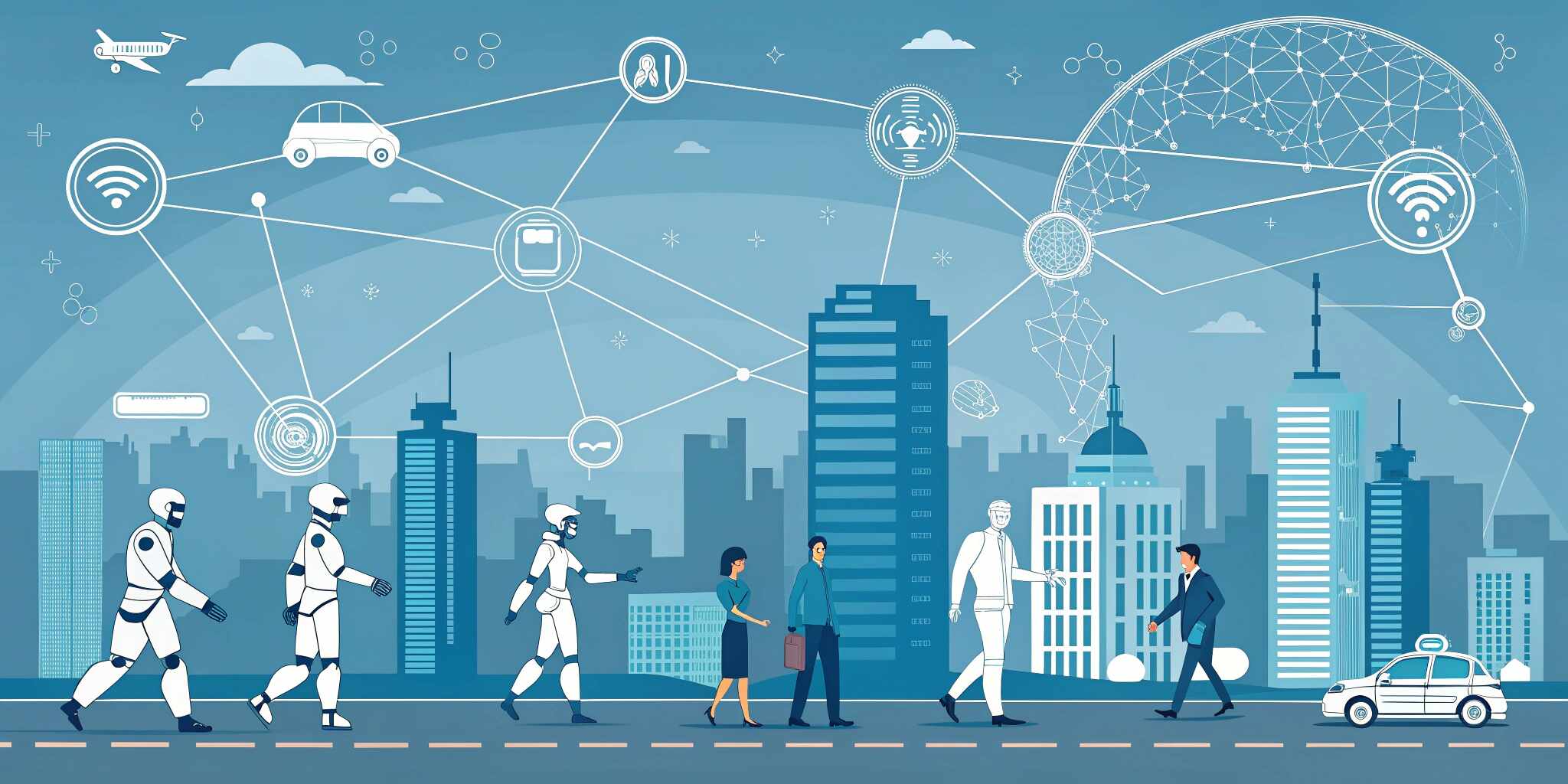
Software engineering is evolving rapidly, and Artificial Intelligence (AI) is at the center of this transformation. Rather than replacing developers, AI is becoming a powerful collaborator. The future of software development lies in effective Human-AI collaboration, where machines handle repetitive and data-heavy tasks while humans focus on creativity, architecture, and strategic problem-solving.
This partnership is redefining productivity, code quality, and innovation across the industry.
AI as a Coding Partner
Modern AI-powered coding assistants are revolutionizing the way developers write software. These tools can suggest code snippets, auto-complete functions, detect bugs in real-time, and even generate entire modules based on simple prompts.
Instead of spending hours writing boilerplate code, developers can now focus on solving complex business logic problems. AI reduces development time, minimizes human error, and accelerates product delivery cycles.
In the future, AI systems will understand project context more deeply—analyzing repositories, documentation, and team coding standards to provide even smarter recommendations.
Smarter Debugging and Testing
Debugging and testing are often time-consuming phases of software development. AI is transforming this space through intelligent bug detection and automated test generation.
Machine learning algorithms can identify patterns in code failures, predict vulnerabilities, and suggest optimized fixes. AI-driven testing tools can automatically create test cases, run regression tests, and identify performance bottlenecks.
As AI models improve, predictive maintenance in software systems will become standard practice. Systems will detect potential failures before they occur, reducing downtime and improving reliability.
AI in DevOps and Automation
DevOps has already automated deployment pipelines, but AI takes it a step further. Intelligent systems can monitor infrastructure, optimize resource allocation, and predict system overloads.
AI-powered DevOps tools analyze logs, server metrics, and user behavior data to recommend performance improvements. Continuous Integration and Continuous Deployment (CI/CD) pipelines will increasingly rely on AI to make real-time decisions about releases and rollbacks.
This reduces operational costs and improves system scalability—especially important in cloud-native and microservices architectures.
Enhancing Developer Productivity
One of the biggest advantages of Human-AI collaboration is enhanced productivity. AI handles repetitive tasks such as:
- Code formatting
- Documentation generation
- Code review assistance
- Refactoring suggestions
- Dependency management
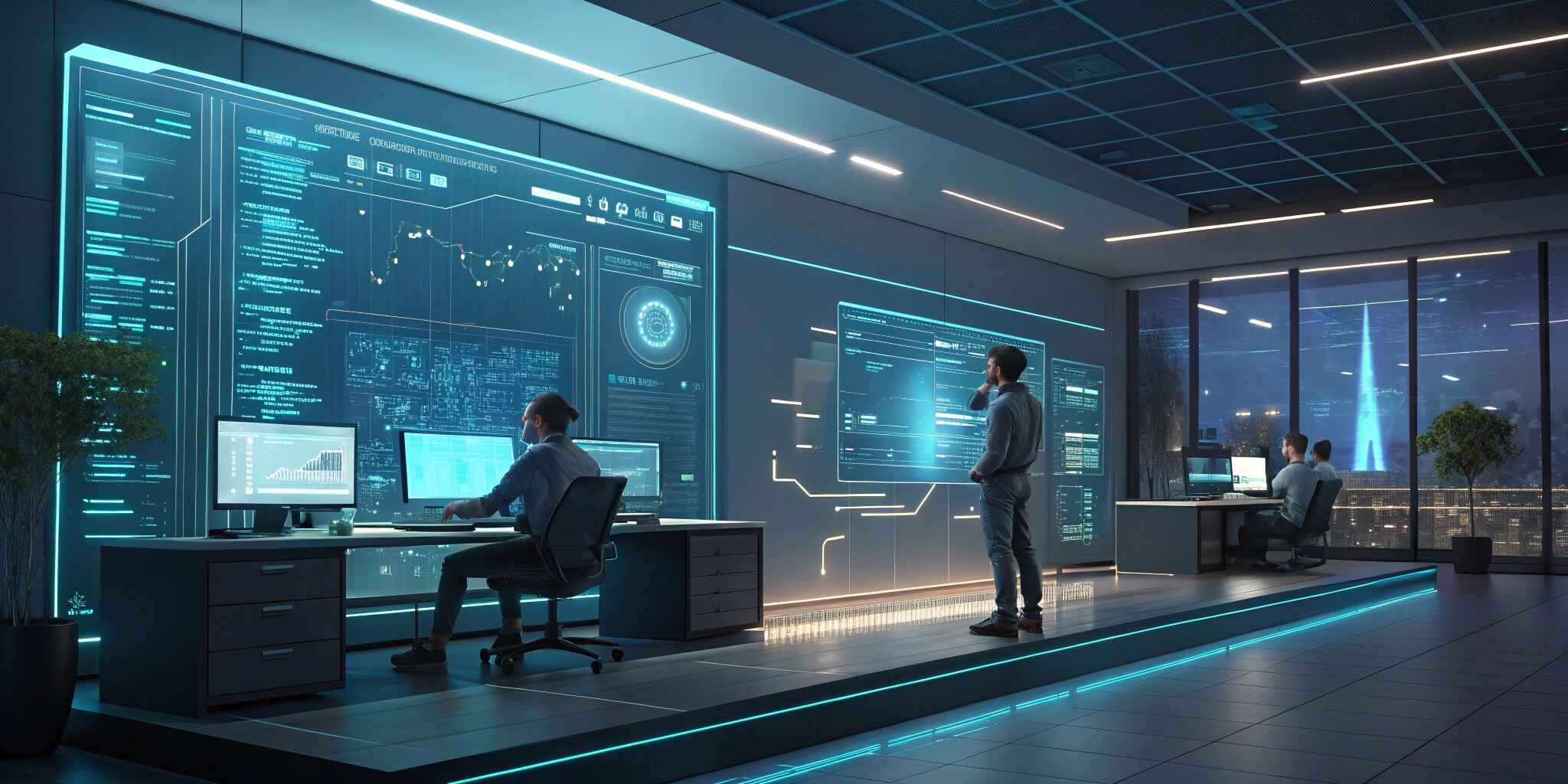
Developers can dedicate more time to innovation, system design, and strategic planning. Rather than being replaced, engineers become AI supervisors—guiding, validating, and refining AI-generated outputs.
In this new era, critical thinking, system architecture knowledge, and domain expertise become even more valuable.
Personalized Learning and Skill Development
AI is also transforming how developers learn and upskill. Intelligent platforms can analyze coding patterns and recommend personalized learning paths.
Imagine a system that tracks your strengths and weaknesses and suggests tutorials, documentation, or practice problems tailored specifically to you. Continuous feedback from AI mentors will accelerate skill development for both beginners and experienced professionals.
This makes software engineering more accessible and reduces the barrier to entry.
Ethical Considerations and Challenges
While the future is promising, Human-AI collaboration brings challenges:
- Data privacy concerns
- Bias in AI-generated code
- Intellectual property issues
- Over-reliance on automation
Organizations must implement responsible AI policies. Developers must verify AI-generated outputs to ensure security, compliance, and accuracy.
Human oversight remains essential. AI should assist—not autonomously control—critical software decisions.
The Evolving Role of Software Engineers
The role of developers is shifting from “code writers” to “solution architects.” Engineers will:
- Design high-level system architectures
- Define AI constraints and boundaries
- Review and validate AI-generated code
- Focus on innovation and user experience
Soft skills such as collaboration, ethical judgment, and strategic thinking will become just as important as technical expertise.
The future developer will work alongside AI systems as trusted partners.
Looking Ahead
Over the next decade, AI integration in software engineering will become seamless. Development environments will include built-in intelligent agents capable of understanding full project ecosystems.
Human creativity combined with machine precision will unlock unprecedented innovation. Organizations that embrace this collaboration model will gain a significant competitive advantage.
The future is not Human vs AI.
It is Human + AI.
And together, they will redefine the boundaries of what software can achieve.