Introduction:
The digital interface users interact with—the frontend—has undergone a revolutionary transformation over the past decade. As the demand for high-speed, interactive, and scalable applications grows, so does the need for innovative frontend frameworks. In 2025, we're witnessing a shift toward more performance-optimized, component-first architectures that prioritize user experience and developer productivity.
The Evolution of Frontend:
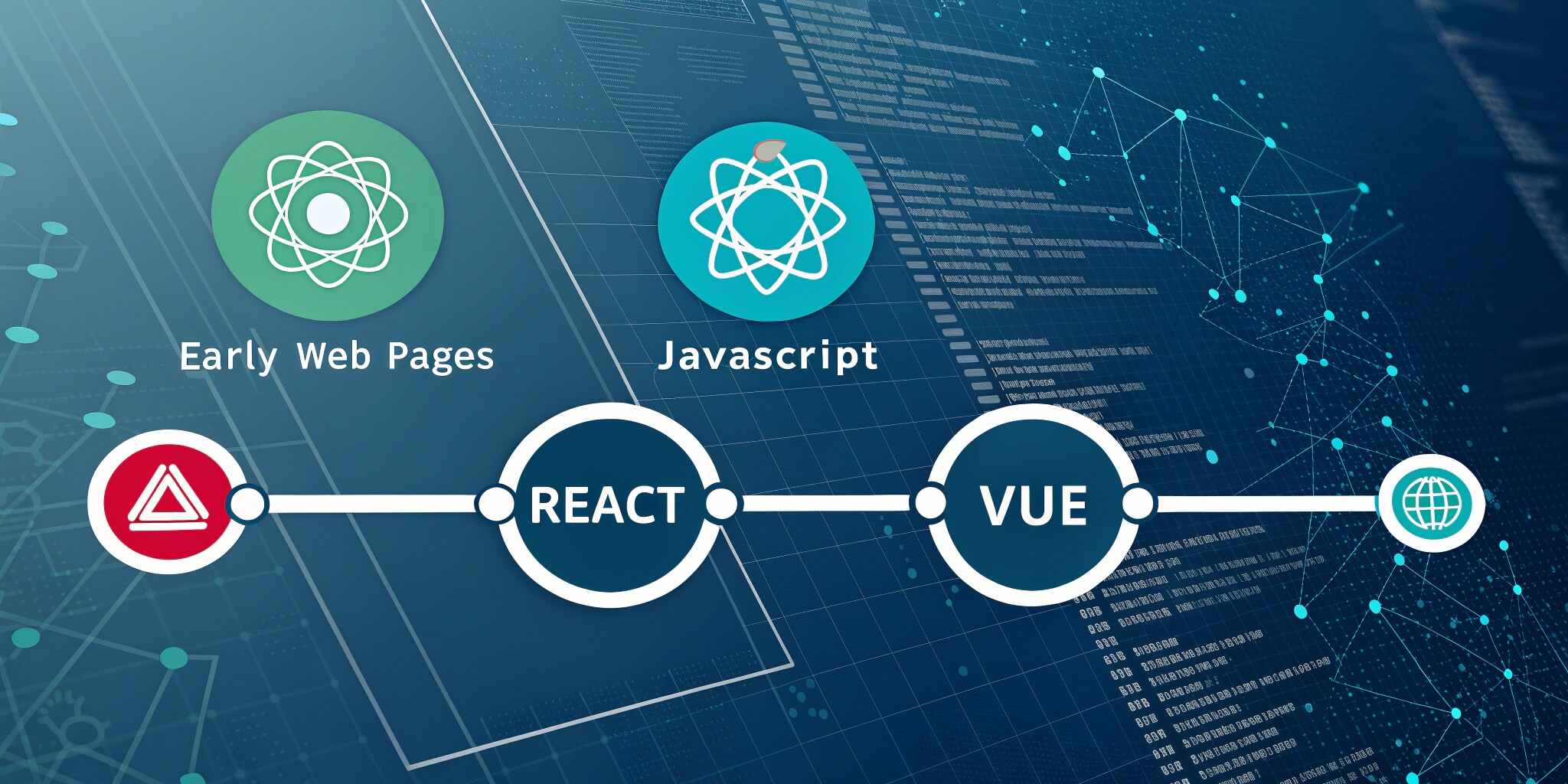
From static HTML pages in the 90s to dynamic, component-based UIs of today, frontend development has grown exponentially. JavaScript frameworks like Angular, React, and Vue paved the way for building complex single-page applications (SPAs). However, they also introduced performance bottlenecks like long loading times and complex state management.
Key Emerging Frameworks in 2025:
1. Qwik:
Designed for instant loading and fine-grained reactivity, Qwik embraces a “resumable” architecture that breaks traditional hydration limits in SPAs. It loads only the code needed, improving Time-to-Interactive (TTI) dramatically.
2. Svelte & SvelteKit:
Svelte compiles components at build time rather than runtime, leading to faster execution and smaller bundle sizes. SvelteKit, its meta-framework, simplifies routing, SSR, and deployment.
3. SolidJS:
SolidJS blends React’s JSX syntax with a fine-grained reactive core. Its zero-virtual DOM approach ensures high performance and minimal overhead in rendering.
4. Astro:
Astro promotes partial hydration by sending zero JavaScript to the browser until it's truly needed. Ideal for content-heavy sites, Astro lets developers use multiple frameworks together.
5. Remix:
Remix is shifting attention back to the server, using modern web fundamentals like loaders and actions to improve routing and data management while enhancing SEO and performance.
Frontend Trends Complementing Framework Growth:
- Edge Rendering & Server Components: Faster page rendering closer to users.
- WebAssembly (Wasm): Supporting computation-heavy tasks with near-native performance.
- Micro Frontends: Modular frontend architectures improving scalability and maintainability.
- AI-Assisted UI Development: Tools like GitHub Copilot and AI design systems automating boilerplate code and layout generation.
What It Means for Developers:
The frontend is no longer just about design and interactivity—it's about performance, personalization, and adaptability. Developers must now be more strategic, selecting frameworks that align with the needs of both users and the business.
Conclusion:
The frontend ecosystem is in the midst of a renaissance. As new frameworks emerge, they challenge legacy norms and introduce novel ways of thinking about performance, flexibility, and user-centric design. Embracing this evolution is not just optional—it’s essential for developers aiming to stay ahead in 2025 and beyond.