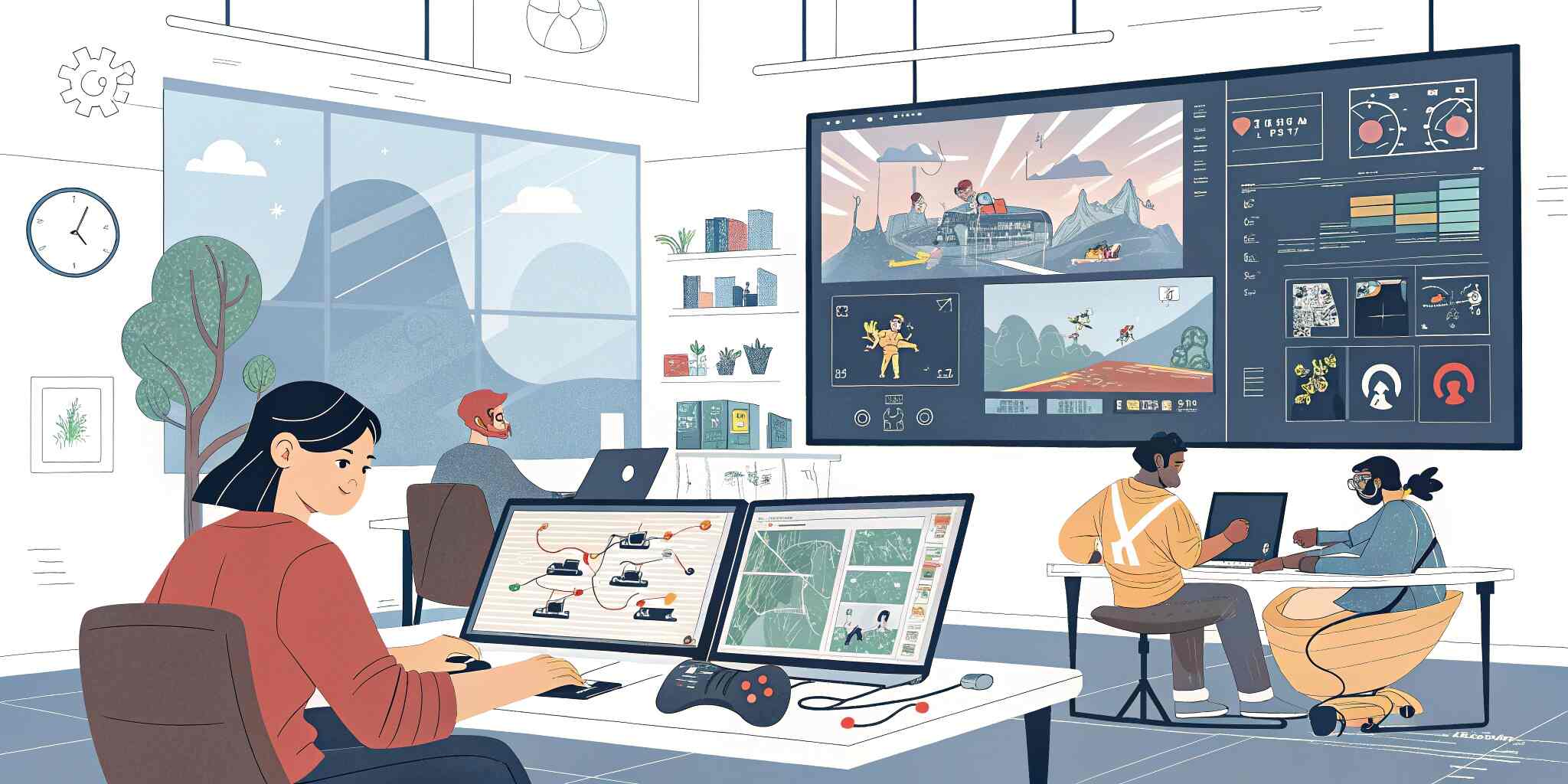
Introduction: A New Era of Gaming Access
The gaming industry is experiencing a paradigm shift. What began as a market driven by one-time purchases and physical copies has evolved into a subscription-driven ecosystem. Platforms like Xbox Game Pass, SubscriptionGamingPlayStation Plus, and Apple Arcade have redefined how players consume games and how developers earn revenue. Much like Netflix did for movies, subscription gaming services have changed the way audiences engage with interactive entertainment—offering unlimited access, lower upfront costs, and constant content updates.
This shift doesn’t just reshape how players play; it fundamentally transforms the economic model of game publishing and development.
The Evolution of Subscription Gaming
Subscription gaming has grown alongside the rise of digital distribution and cloud technology. Services like Xbox Game Pass Ultimate and NVIDIA GeForce NOW allow players to stream or download hundreds of titles instantly—no discs, no downloads, no ownership required.
Previously, players had to pay $60 or more per title. Now, for a monthly fee, they can access an ever-expanding library. This has lowered the entry barrier for players while simultaneously broadening exposure for indie developers who otherwise might struggle to gain visibility in a crowded market.
Moreover, gaming subscriptions align perfectly with the subscription economy—a global trend where users prefer access over ownership.
Advantages for Players
For players, the appeal of subscription gaming is obvious: variety, affordability, and flexibility. Gamers can explore diverse genres, discover indie gems, and enjoy premium AAA titles without worrying about individual purchases.
Additionally, platforms often include cross-device access—players can continue their games seamlessly across console, PC, and even mobile devices. This consistent access not only enhances convenience but also builds brand loyalty.
The subscription model also encourages players to experiment. Instead of sticking to known franchises, they can try smaller or experimental titles risk-free, helping diversify gaming experiences and strengthen niche communities.
Benefits for Developers and Publishers
For developers, subscription models open up both challenges and opportunities. On one hand, being featured in a subscription library offers exposure to millions of users worldwide. Games that might have struggled for visibility in traditional markets can now find new audiences through recommendation algorithms and platform curation.
Financially, many subscription services compensate developers based on playtime, engagement, or licensing deals. This encourages studios to create content that sustains long-term player interest rather than relying solely on launch sales.
Additionally, subscriptions offer predictable revenue streams, reducing financial risks associated with game launches. For smaller studios, this model provides stability and potential funding for post-launch updates or sequels.
Challenges and Criticisms
Despite the benefits, the subscription model is not without controversy. Some critics argue that it devalues individual games, conditioning players to expect unlimited access at a low cost. This can pressure developers to adapt their design philosophy—prioritizing engagement and retention over artistic innovation.
Furthermore, revenue distribution remains a complex issue. How do platforms fairly compensate games that require hundreds of development hours compared to shorter indie projects? As with music streaming, smaller creators may struggle to earn significant returns unless they achieve massive engagement.
There’s also the challenge of content fatigue—as more platforms launch their own subscription services, fragmentation increases, forcing players to juggle multiple monthly fees.
The Role of Cloud and Streaming Technology
Cloud gaming has become the backbone of many subscription services. With platforms like Google Stadia (now defunct), NVIDIA GeForce NOW, and Amazon Luna, players can stream games directly without needing high-end hardware.
This synergy between subscription models and cloud technology is paving the way for an inclusive gaming ecosystem. It allows players on low-spec devices to enjoy premium games, expanding markets in regions like India, South America, and Southeast Asia.
However, scalability, latency, and internet infrastructure remain challenges that determine the long-term success of such services.
The Future of Subscription Gaming
As gaming continues to evolve, the subscription model is expected to become a core pillar of the industry. With major publishers like Ubisoft, EA, and Capcom launching their own subscription plans, competition will intensify.
The future likely lies in hybrid models—a mix of subscriptions, microtransactions, and premium purchases. Players might subscribe for access but still pay extra for expansions, cosmetics, or early releases.
Moreover, as AI-driven personalization improves, subscription services will curate content more intelligently, offering players experiences tailored to their preferences.
Ultimately, the success of subscription gaming depends on balance—between accessibility and developer fairness, variety and value, innovation and sustainability.
Conclusion: Redefining the Game Economy
Subscription gaming services have undeniably disrupted the traditional gaming economy. By prioritizing accessibility, diversity, and long-term engagement, they are reshaping how games are made, distributed, and consumed.
While challenges persist—particularly around fair compensation and content saturation—the model offers tremendous potential for a more inclusive and connected gaming ecosystem.
As technology advances and player expectations evolve, one thing is clear: the game industry’s future lies not just in what you buy, but what you can access.