Introduction
The evolution of the digital workplace is accelerating, with businesses embracing Smart Workspaces and Hybrid IT Infrastructures to meet modern demands. These technologies are more than buzzwords—they’re strategies enabling businesses to stay agile, secure, and scalable.
What Is a Smart Workspace?
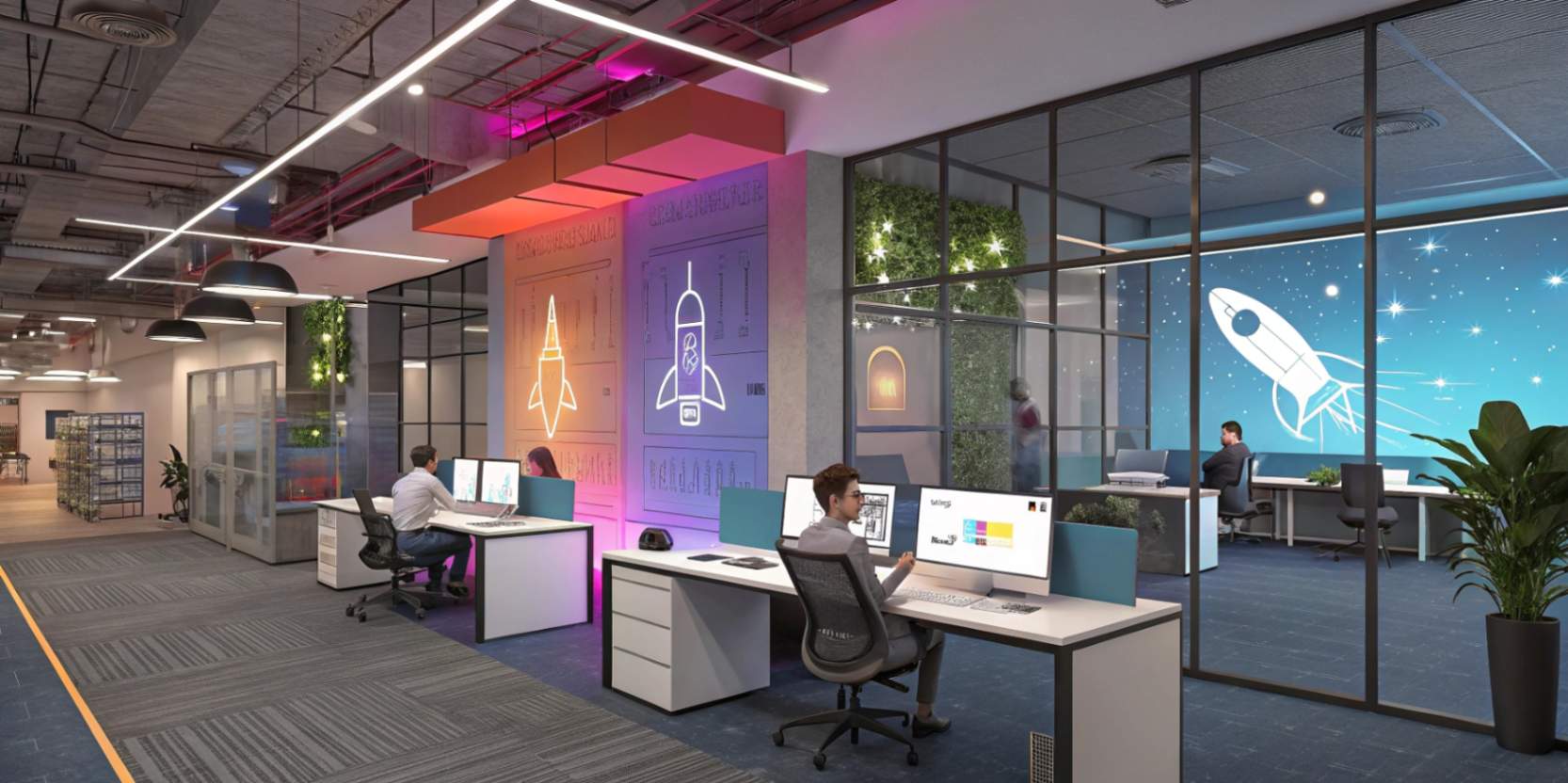
A Smart Workspace is a digital and physical ecosystem that leverages AI, cloud computing, IoT, and collaborative tools to enable flexible, efficient, and seamless work experiences. It ensures that employees have the tools and data they need—when and where they need them.
Core Features:
- Unified communication platforms
- Cloud-based applications
- AI-powered scheduling and task management
- Personalized digital experiences
- IoT-enabled office environments
Understanding Hybrid IT Infrastructure
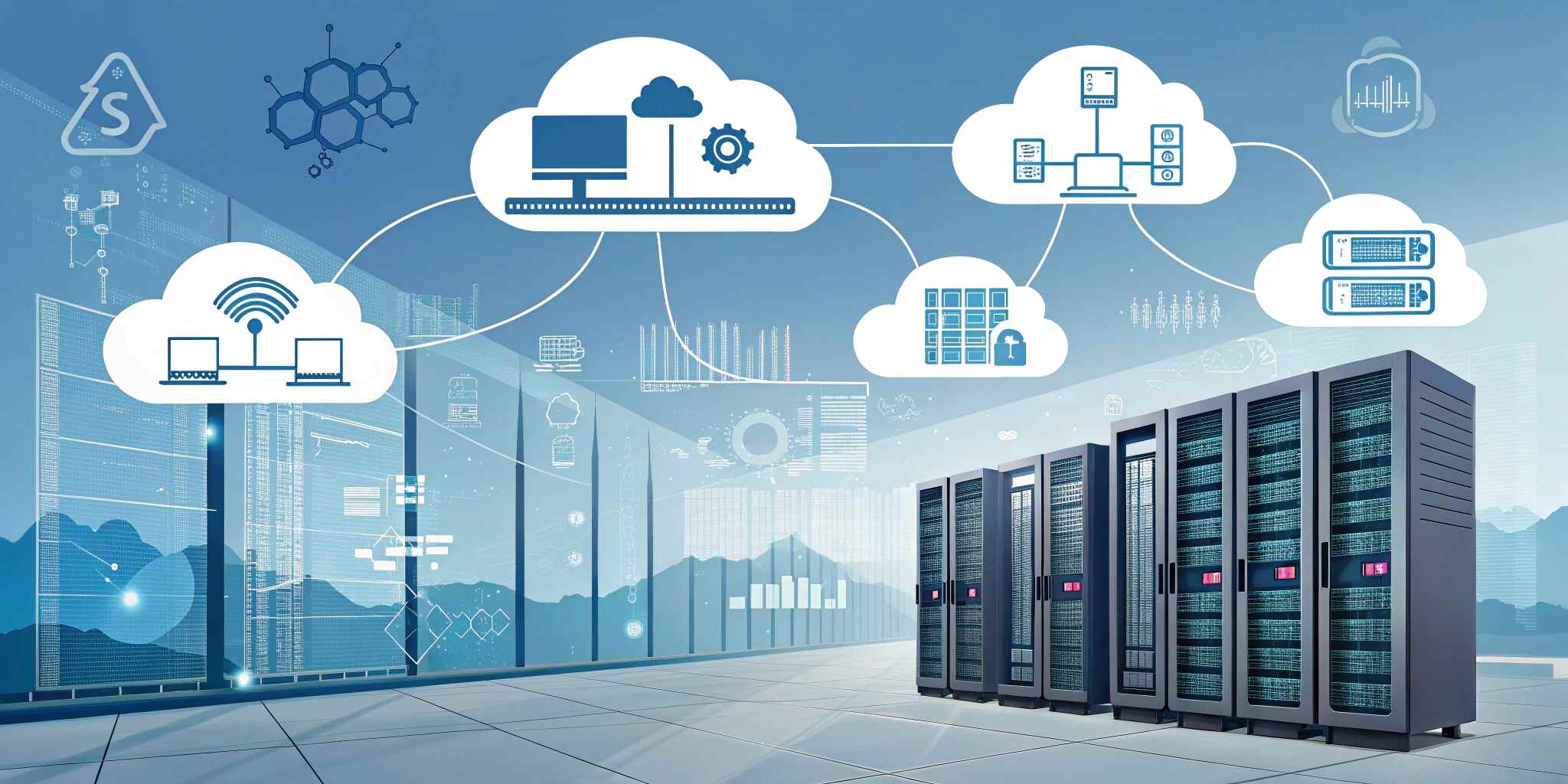
A Hybrid IT Infrastructure blends on-premises systems with public and private cloud services. It enables enterprises to host critical workloads in-house while taking advantage of cloud scalability for less sensitive tasks.
Benefits Include:
- Enhanced flexibility and scalability
- Improved business continuity
- Cost optimization through resource balancing
- Stronger security and compliance
- Centralized monitoring and IT management
The Synergy Between Smart Workspaces & Hybrid IT
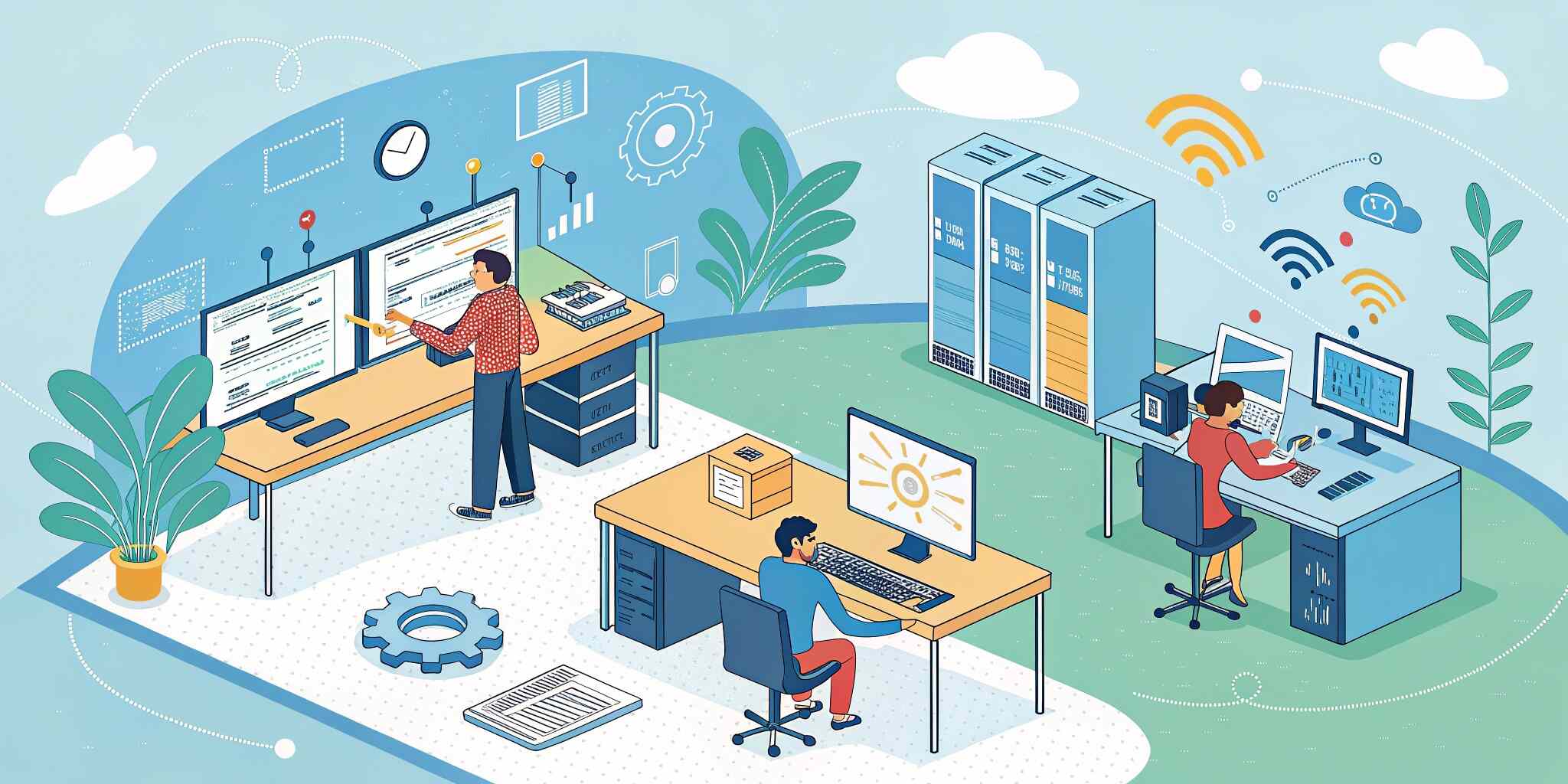
When combined, smart workspaces and hybrid IT create a fluid and adaptable work environment. IT departments can deliver secure services while allowing employees to access resources from any device, anywhere.
Use Case:
A company using a hybrid cloud for data storage can allow employees to access work files securely via a smart workspace platform that integrates authentication, collaboration, and AI-powered suggestions—all within a unified dashboard.
Challenges & Considerations
While the benefits are substantial, adopting a smart workspace and hybrid IT model does present challenges:
- Ensuring data security and compliance across environments
- Integration of legacy systems with new platforms
- Maintaining network performance and reliability
- Change management and employee training
Best Practices for Implementation
- Adopt a cloud-first strategy while retaining mission-critical apps on-prem.
- Implement identity and access management (IAM) for user-level security.
- Use AI/ML tools to automate workflows and improve analytics.
- Invest in user training for smarter adoption of digital tools.
- Continuously monitor infrastructure with centralized dashboards.
Conclusion
The convergence of Smart Workspaces and Hybrid IT Infrastructures is shaping the future of work—one that prioritizes agility, security, and productivity. Organizations that embrace this transformation will not only boost efficiency but also build a resilient foundation for innovation and growth.