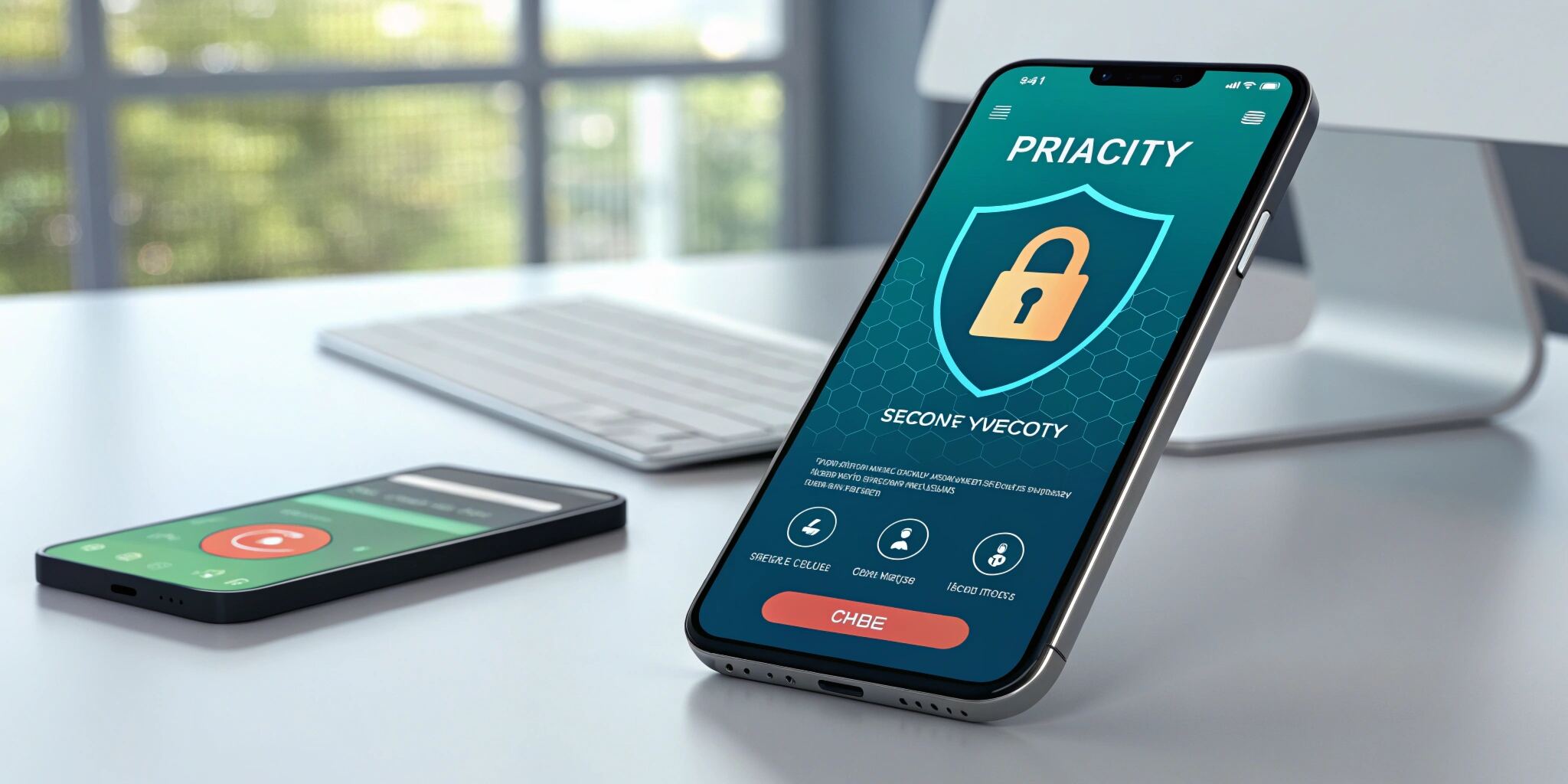
In today’s digital ecosystem, user trust is the backbone of any successful application. With cyberattacks, phishing incidents, and data leaks rising every year—users now expect apps to protect their data by default. This shift has made Secure by Design, also known as privacy-focused development, a mandatory approach for modern developers.
Secure by Design means integrating privacy and security principles from the foundation of an app rather than treating them as afterthoughts. It reframes security from being an added layer to a core design principle. When implemented correctly, it creates applications that are resilient, trustworthy, and compliant with global data regulations.
Why Secure by Design Matters
Most security vulnerabilities emerge because security is introduced late in the development cycle. When security flaws are discovered after deployment, they are costly to fix and can degrade user trust. Secure by Design addresses this by ensuring:
- Security is part of every development stage
- User data is protected throughout its lifecycle
- Apps comply with regulations (GDPR, CCPA, HIPAA)
- Attack surfaces are minimized
- Threats are mitigated early
With cybercrimes expected to reach $10.5 trillion globally by 2025, building secure apps is not a luxury—it is a requirement.
Core Principles of Secure by Design
1. Minimize Data Collection
Apps should gather only what is absolutely necessary. Limiting the amount of collected data reduces risk exposure and simplifies compliance.
2. Implement Strong Authentication
Passwordless login, biometrics, multi-factor authentication (MFA), and session management strengthen user identity protection.
3. Encrypt Data Everywhere
Encryption must be applied:
- In transit (using HTTPS/TLS)
- At rest (using AES or similar standards)
- During processing (via secure enclaves where possible)
This ensures intercepted data is useless to attackers.
4. Threat Modeling from Day One
During planning, teams should anticipate:
- Possible attack vectors
- Misuse cases
- Data exposure risks
- High-risk components
This proactive approach prevents vulnerabilities early.
5. Secure Coding Practices
Developers should adopt coding practices that avoid common vulnerabilities like:
- SQL injection
- Cross-site scripting (XSS)
- Insecure deserialization
- API misuse
- Hardcoded credentials
Automated code scanning tools can help maintain quality.
6. Zero Trust Architecture
Zero Trust assumes no user or device is trustworthy by default. Every request is verified, authenticated, and restricted to minimal permissions.
7. Regular Security Testing
Include:
- Penetration testing
- Static application security testing (SAST)
- Dynamic testing (DAST)
- Vulnerability scanning
- Red team simulations
Continuous monitoring ensures the app remains secure even after updates.
Designing Privacy Into User Experience
Privacy does not have to reduce usability. A truly Secure by Design app ensures security is seamless for users. Techniques include:
- Clear consent screens
- Granular privacy controls
- Easy access to data deletion features
- Transparent data usage explanations
- Secure defaults (privacy ON by default)
A well-designed privacy UX builds trust and increases user retention.
Benefits of Secure by Design for Businesses
Organizations that adopt Secure by Design unlock multiple advantages:
- Reduced breach risk: Lower chances of financial and reputational damage
- Compliance readiness: Easier alignment with global privacy laws
- Lower long-term development costs: Fewer patches and emergency fixes
- Improved user trust: Users prefer apps that protect their data
- Competitive advantage: Security can become a key differentiator
Businesses that prioritize privacy often experience higher adoption rates and stronger brand loyalty.
The Future of Privacy-Focused App Development
Emerging trends will make Secure by Design even more essential:
- AI-assisted secure coding
- On-device processing instead of cloud storage
- Cryptographic technologies like zero-knowledge proofs
- Decentralized identity systems (DID)
- End-to-end encrypted apps for every sector
By 2030, privacy-first development will be the default expectation—much like responsive design is today.