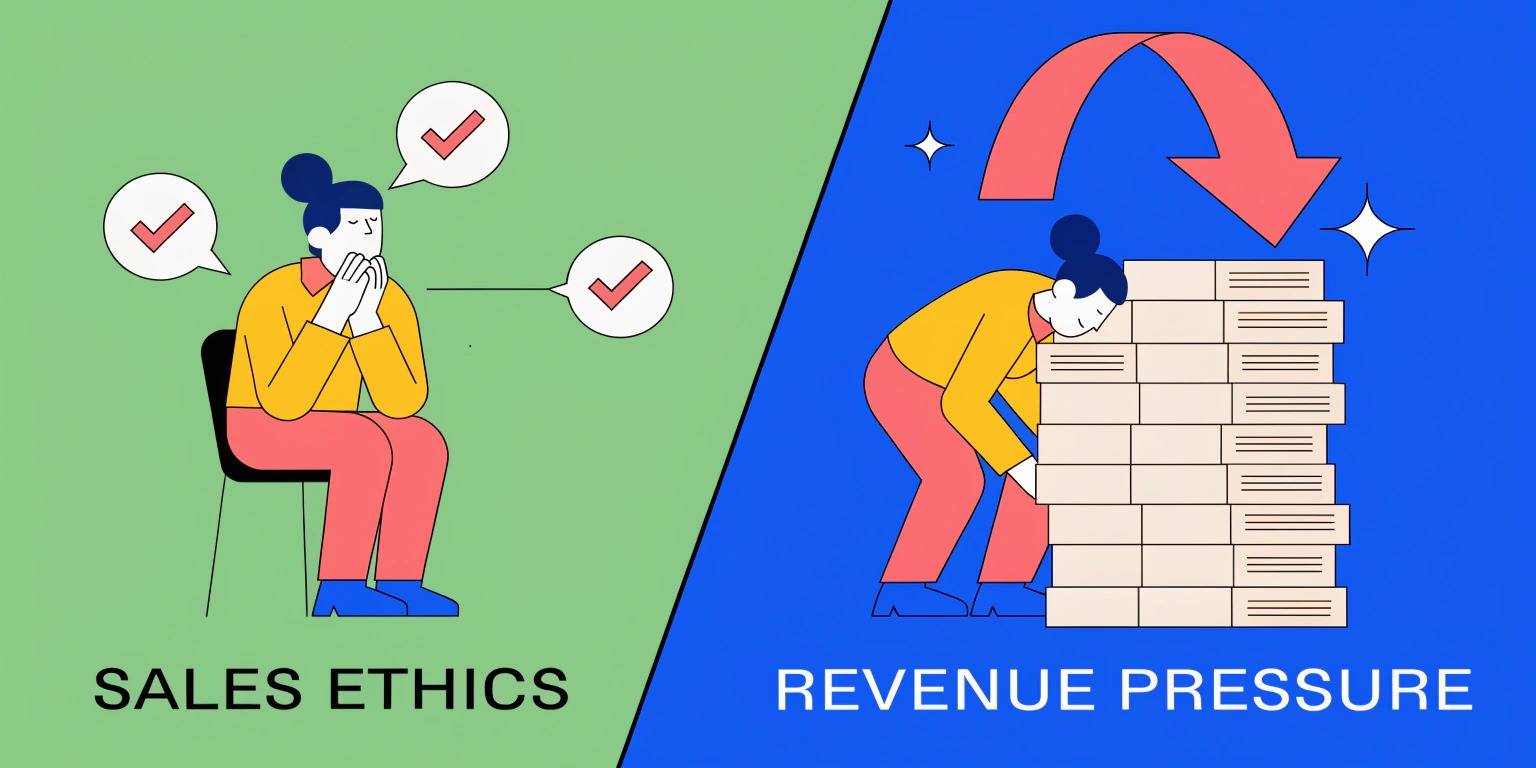
In every IT company, Business Development Executives (BDEs) and sales professionals work toward one common goal—generating revenue. Sales targets, monthly quotas, and business growth are essential for any organization's success. However, achieving these goals often brings significant pressure, which can sometimes lead to unethical sales practices.
The real challenge is not choosing between ethics and revenue. Instead, it is learning how to achieve business growth while maintaining honesty, transparency, and customer trust.
In today's competitive IT industry, companies that prioritize ethical sales practices are more likely to build long-term relationships, earn repeat business, and strengthen their market reputation.
Why Sales Ethics Matter
Sales ethics refers to conducting business honestly, fairly, and responsibly while respecting the client's interests.
Ethical sales professionals:
- Provide accurate information
- Avoid false promises
- Recommend suitable solutions
- Respect client budgets
- Maintain transparency throughout the sales process
In contrast, unethical practices may generate short-term revenue but often damage trust, resulting in negative reviews, project disputes, and lost business opportunities.
For IT companies, reputation is one of the most valuable assets. Every client interaction contributes to that reputation.
Understanding Revenue Pressure
Revenue pressure is common in every business.
Organizations often set:
- Monthly sales targets
- Quarterly revenue goals
- Annual growth objectives
- Lead conversion expectations
- Client acquisition KPIs
While these metrics help measure performance, excessive pressure can encourage behaviors such as:
- Overpromising features
- Underestimating project timelines
- Ignoring project risks
- Pushing unnecessary services
- Accepting unsuitable projects
These decisions may help close a deal but create serious challenges during project execution.
Common Ethical Challenges in IT Sales
1. Promising Features That Don't Exist
Some sales professionals promise advanced functionalities without consulting the technical team.
This creates unrealistic expectations that developers cannot fulfill.
Instead, BDEs should always verify technical feasibility before making commitments.
2. Hiding Project Limitations
Clients deserve to understand both the capabilities and limitations of a solution.
Being transparent about challenges builds credibility and prevents future conflicts.
Honesty today often leads to repeat business tomorrow.
3. Prioritizing Revenue Over Client Needs
Not every client requires the most expensive solution.
Ethical BDEs recommend services that genuinely solve business problems rather than maximizing invoice value.
When clients realize recommendations are made in their best interest, trust naturally grows.
4. Misleading Pricing
Unexpected costs can damage relationships.
Professional proposals should clearly explain:
- Project scope
- Deliverables
- Timeline
- Pricing
- Maintenance costs
- Additional charges
Transparent pricing eliminates misunderstandings and increases client confidence.
5. Creating Artificial Urgency
Statements like:
- "This offer expires today."
- "You must decide immediately."
may pressure clients into quick decisions.
Unless these deadlines are genuine, such tactics reduce credibility and often discourage long-term partnerships.
The Long-Term Value of Ethical Selling
Ethical sales rarely produce overnight success, but they generate sustainable business growth.
Benefits include:
Higher Client Retention
Satisfied clients return for future projects.
Acquiring a new client often costs significantly more than retaining an existing one.
Stronger Referrals
Happy clients become brand ambassadors.
Many IT companies receive high-value projects through referrals from satisfied customers.
Better Project Success
When expectations are realistic from the beginning, development teams can deliver quality work more efficiently.
This reduces disputes, revisions, and project delays.
Improved Brand Reputation
Companies known for honesty attract:
- Better clients
- Stronger partnerships
- Higher-value projects
- Long-term contracts
Reputation becomes a competitive advantage.
Practical Strategies to Balance Ethics and Revenue
Understand the Client's Business
Instead of immediately discussing services, first understand:
- Business goals
- Pain points
- Budget
- Target audience
- Growth plans
This allows you to recommend meaningful solutions.
Collaborate with Technical Teams
Before finalizing proposals, consult developers and project managers.
Accurate technical input prevents unrealistic commitments.
Focus on Value, Not Pressure
Rather than convincing clients to buy, educate them about the value your solution provides.
Value-driven conversations build stronger trust than aggressive sales pitches.
Maintain Honest Communication
If challenges arise during a project, communicate them early.
Clients appreciate transparency far more than unexpected surprises.
Measure Success Beyond Revenue
Successful BDEs should also track:
- Client satisfaction
- Repeat business
- Referral rate
- Proposal acceptance
- Relationship quality
These indicators reflect sustainable growth rather than short-term sales performance.
Building an Ethical Sales Culture
Ethics should not depend solely on individual employees.
Organizations should encourage ethical behavior through:
- Sales training
- Clear communication policies
- Transparent proposal templates
- Realistic sales targets
- Cross-team collaboration
- Customer-centric decision-making
When leadership values integrity, employees naturally follow the same principles.
Conclusion
Revenue is essential for every IT business, but lasting success is built on trust.
Ethical sales practices create stronger client relationships, reduce project risks, improve brand reputation, and generate sustainable growth over time. While aggressive selling may produce temporary gains, honesty and transparency consistently deliver long-term business success.
The best Business Development Executives understand that closing a deal is only the beginning of the client relationship. Their real objective is to become trusted advisors who help businesses solve problems and achieve their goals.
In today's competitive IT landscape, companies that combine ethical selling with strategic business development will always have a stronger foundation for growth.
Because the most valuable sale is not the one you close today—it is the client who confidently returns tomorrow.