Main Content
Real-time animation is no longer limited to gaming—it has become the default approach for creating digital experiences across industries. Advances in GPU performance, game engines, and AI-powered tools have made it possible to render high-quality animations instantly, changing how content is designed, reviewed, and delivered. This shift marks a fundamental transformation in animation workflows, user expectations, and digital interaction.
What Is Real-Time Animation?
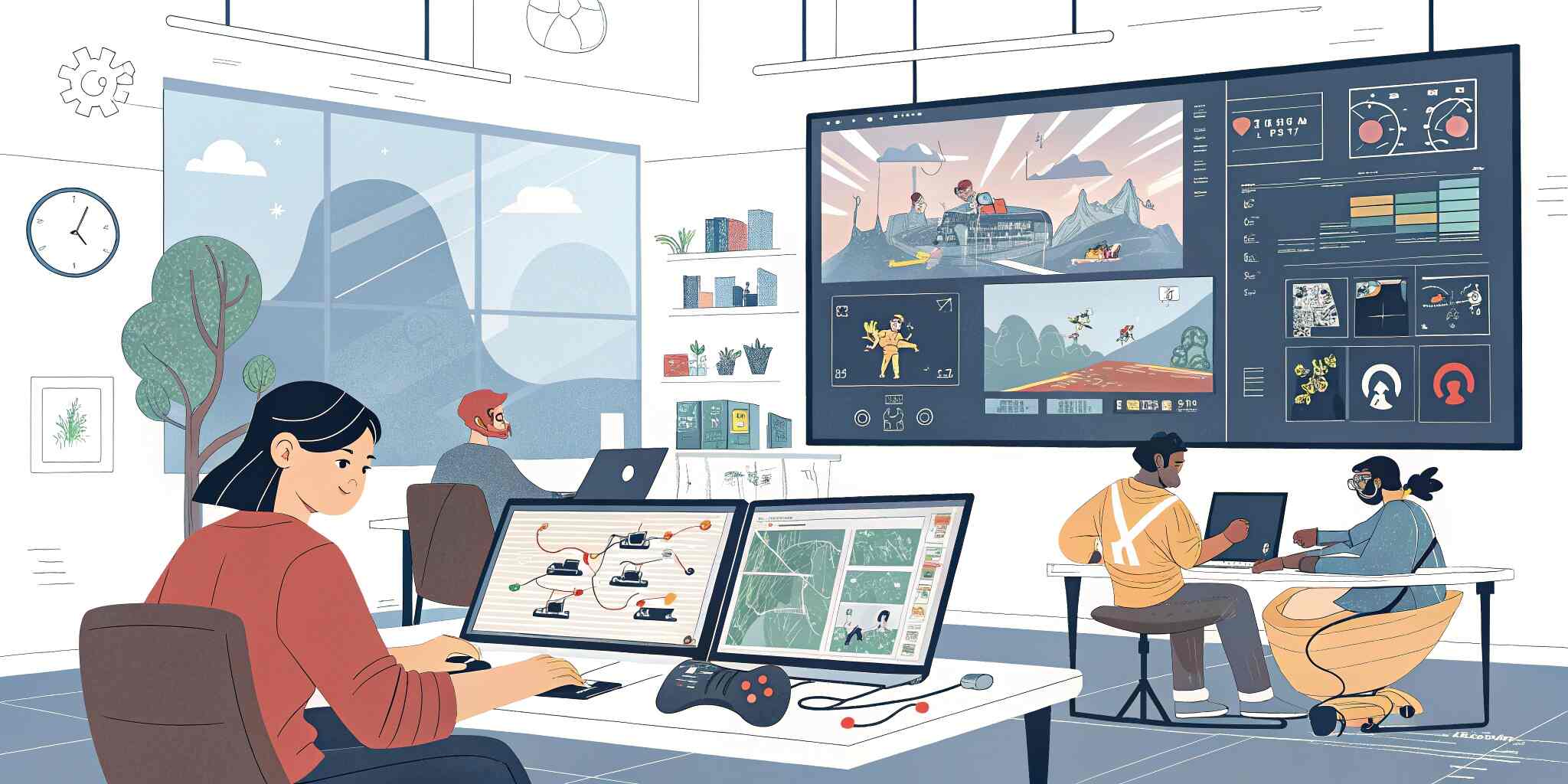
Real-time animation refers to the process of rendering visuals instantly as changes are made, without long waiting periods. Unlike traditional pre-rendered animation, which can take hours or days to process, real-time systems generate frames on the fly. Tools such as Unreal Engine, Unity, and WebGL-based frameworks allow creators to see immediate results, adjust lighting or motion, and interact with scenes dynamically.
Why Real-Time Animation Is Becoming the Default
The demand for speed, interactivity, and personalization is driving the adoption of real-time animation. Businesses can no longer afford long production cycles when users expect responsive and immersive experiences. Real-time animation reduces iteration time, lowers costs, and allows teams to collaborate more efficiently.
Another major factor is accessibility. Game engines and real-time tools are no longer limited to expert animators. Designers, developers, and marketers can now create cinematic-quality visuals using user-friendly interfaces and reusable assets. This democratization is accelerating adoption across industries.
Impact on Gaming and Entertainment
Gaming has always relied on real-time rendering, but the quality has reached cinematic levels. Modern engines deliver realistic lighting, physics-based animation, and lifelike character movement. Beyond games, film and television studios are using real-time animation for virtual production, replacing green screens with dynamic digital environments. This approach allows directors to visualize scenes instantly, reducing post-production costs and creative risks.
Web, App Development, and Interactive Media
Real-time animation is redefining user interfaces and digital products. Websites and mobile apps now feature interactive 3D elements, smooth transitions, and animated storytelling that respond to user behavior. With technologies like WebGPU and WebGL, real-time graphics are becoming lighter and more performant, even on browsers.
For app developers, real-time animation enhances user engagement and retention. Interactive product previews, onboarding animations, and micro-interactions create more intuitive and memorable experiences.
Marketing, AR, and VR Experiences
In digital marketing, real-time animation enables highly interactive campaigns. Brands can offer real-time product customization, virtual try-ons, and immersive advertisements that adapt to user input. AR and VR applications rely heavily on real-time rendering to maintain realism and responsiveness, making these technologies viable for training, education, and e-commerce.
The Role of AI and Automation
AI is accelerating the real-time animation revolution. Machine learning tools can automate motion capture, generate realistic character movements, and optimize rendering performance. AI-driven animation systems reduce manual effort while maintaining high visual quality, making real-time workflows even more efficient.
Challenges and Future Outlook
Despite its advantages, real-time animation comes with challenges. It requires optimized assets, performance-aware design, and skilled technical teams. However, as hardware becomes more powerful and tools more intuitive, these barriers are rapidly diminishing.
Looking ahead, real-time animation will continue to blur the line between creation and consumption. As it becomes the default standard, industries will shift toward more interactive, personalized, and immersive digital experiences—setting new expectations for how users engage with technology.