The modern web thrives on real-time experiences — from live chat applications and online gaming to collaborative tools like Google Docs and stock market dashboards. Traditional request-response web architectures, built around HTTP polling or RESTful APIs, struggle to deliver such immediacy and responsiveness. This gap has been bridged by reactive web architecture, where technologies like GraphQL Subscriptions and WebSockets empower developers to build applications that react instantly to data changes.
In the world of dynamic data, users expect updates the moment they occur. For instance, in social media feeds, chat systems, or IoT dashboards, data changes continuously. Handling this flow efficiently demands more than periodic data fetching — it requires a persistent, bidirectional communication channel between clients and servers. This is precisely where WebSockets come in.
WebSockets enable a full-duplex communication channel over a single TCP connection. Unlike REST APIs, which rely on repeated requests for data, WebSockets maintain a continuous connection, allowing servers to push updates to clients in real-time. This drastically reduces latency and network overhead while enabling truly interactive applications. By removing the dependency on polling mechanisms, WebSockets help conserve bandwidth and deliver faster updates, improving overall system performance.
On the other hand, GraphQL Subscriptions take this concept a step further by integrating real-time communication directly into the GraphQL API ecosystem. GraphQL, introduced by Facebook, allows clients to request exactly the data they need in a structured format. Subscriptions extend this capability by letting clients “subscribe” to specific events or data changes. When those events occur — such as a new message being sent in a chat app or a sensor reading being updated — the server automatically pushes the relevant data to all subscribed clients.
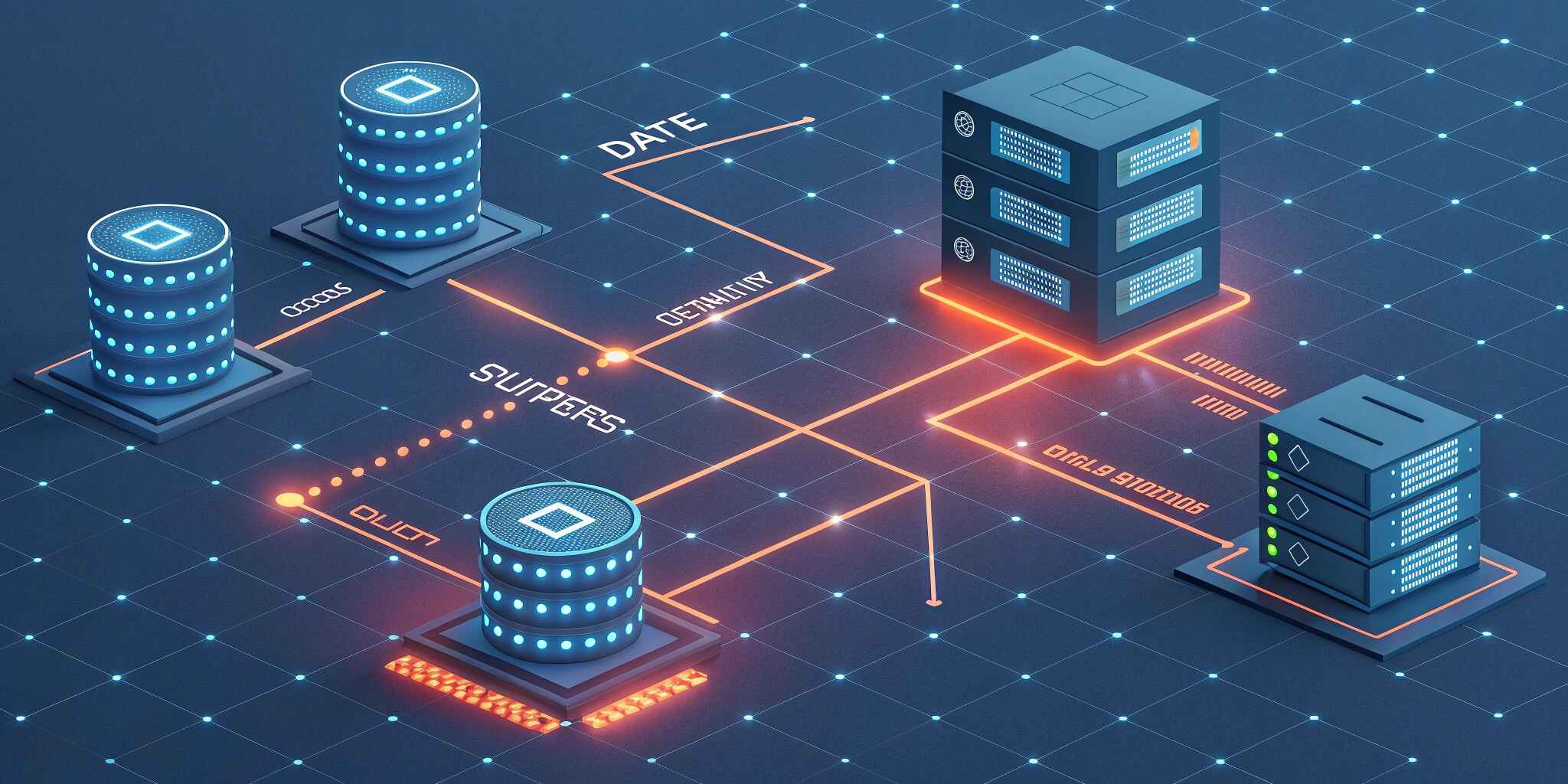
Together, GraphQL Subscriptions and WebSockets create a seamless architecture for reactive web applications. The typical flow involves clients connecting to a WebSocket endpoint and subscribing to a specific GraphQL event or query. Whenever the backend detects a relevant data mutation, it immediately broadcasts updates through the open WebSocket connection. The client-side interface, often built with frameworks like React, Vue, or Angular, reacts to these updates instantly — updating UI components without requiring manual refreshes or API calls.
This real-time feedback loop forms the foundation of reactive programming, a paradigm focused on data streams and event propagation. Reactive systems respond to change as it happens, ensuring smooth user experiences and maintaining data consistency across multiple users or devices. In high-demand applications like collaborative editing tools (e.g., Figma or Notion), live dashboards, and multiplayer games, this architecture ensures synchronization across clients at all times.
From a performance and scalability perspective, reactive architectures must handle large volumes of concurrent connections efficiently. Modern backend technologies such as Node.js, Apollo Server, Hasura, and
GraphQL Yoga offer optimized implementations of WebSocket handling and subscription management. These frameworks simplify the process of managing events, broadcasting updates, and scaling applications horizontally across distributed systems. Furthermore, integrating serverless platforms like AWS AppSync or Firebase allows developers to leverage managed real-time infrastructure, reducing operational complexity.
Security is another critical component of this architecture. Persistent WebSocket connections must be authenticated and authorized properly to prevent data leakage or unauthorized access. Many modern implementations integrate JWT (JSON Web Tokens) or OAuth-based authentication mechanisms into the WebSocket handshake process, ensuring secure and verified connections between clients and servers.
Beyond real-time updates, GraphQL Subscriptions and WebSockets enhance user engagement by fostering interactivity. Whether it’s displaying live sports scores, updating cryptocurrency prices, or enabling multi-user collaboration, the instantaneous nature of data flow captures users’ attention and keeps them engaged longer. In e-commerce platforms, for example, reactive architecture can instantly reflect inventory changes, order statuses, or personalized recommendations — creating a smooth and responsive experience.
The benefits of reactive web architecture extend to developer productivity as well. By using a unified GraphQL schema for both queries and subscriptions, developers can avoid maintaining separate endpoints for static and real-time data. This unified approach reduces complexity, enhances maintainability, and enables front-end developers to work independently from back-end teams.
However, building reactive systems isn’t without challenges. Maintaining thousands of concurrent WebSocket connections requires careful resource management, connection pooling, and distributed message brokers like Redis or Kafka for event delivery. Load balancing and scaling strategies must also be implemented to ensure consistent performance under high user loads.
As digital applications continue to demand instant interactions, reactive web architecture is becoming a cornerstone of modern web development. GraphQL Subscriptions and WebSockets provide developers with the power to create engaging, responsive, and scalable applications that meet user expectations for real-time communication.
In conclusion, the fusion of GraphQL and WebSockets marks a new era for interactive web experiences. By embracing reactive design, developers can create applications that are not just functional but truly alive — constantly adapting to changes and delivering seamless experiences across devices.