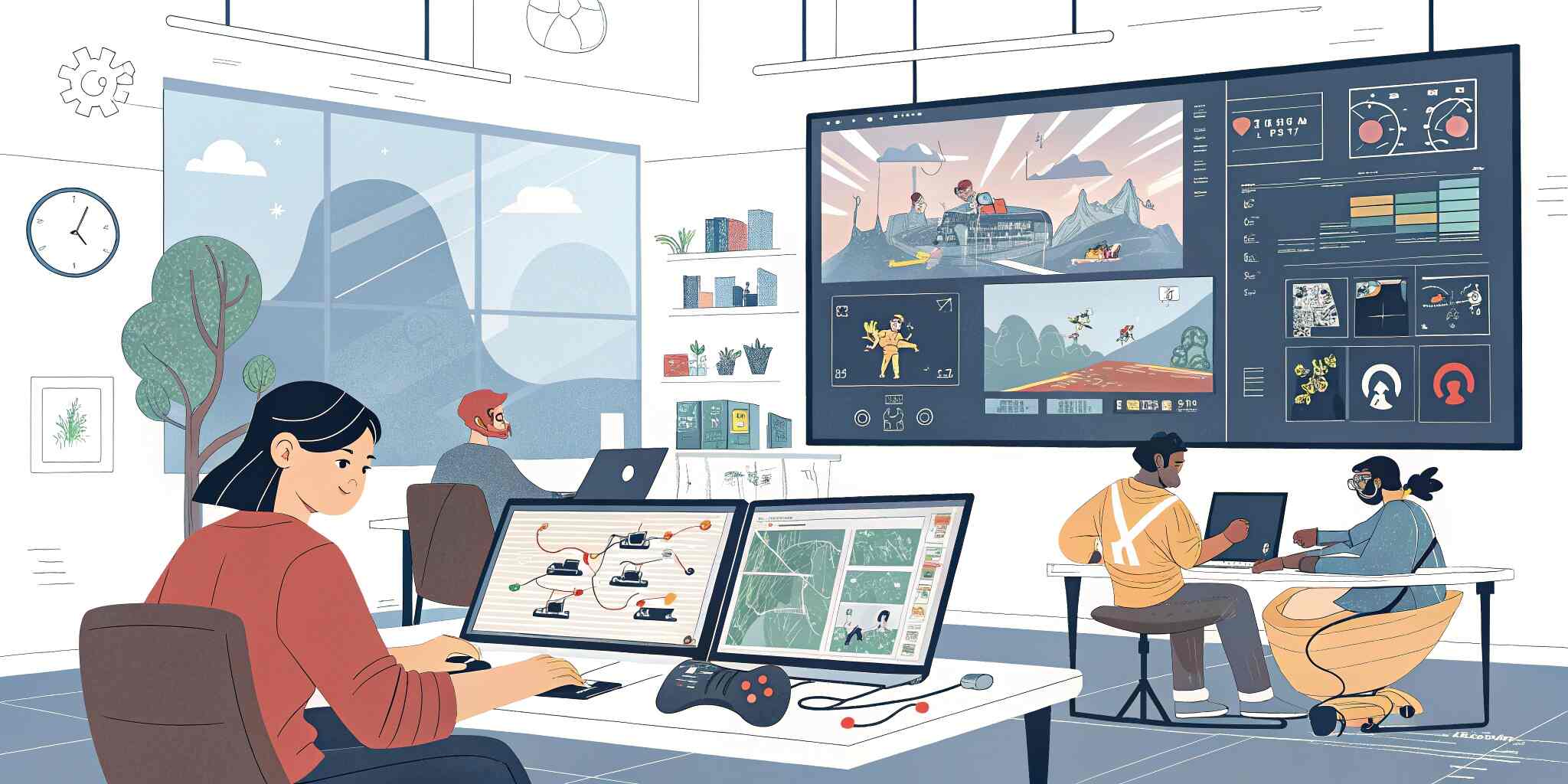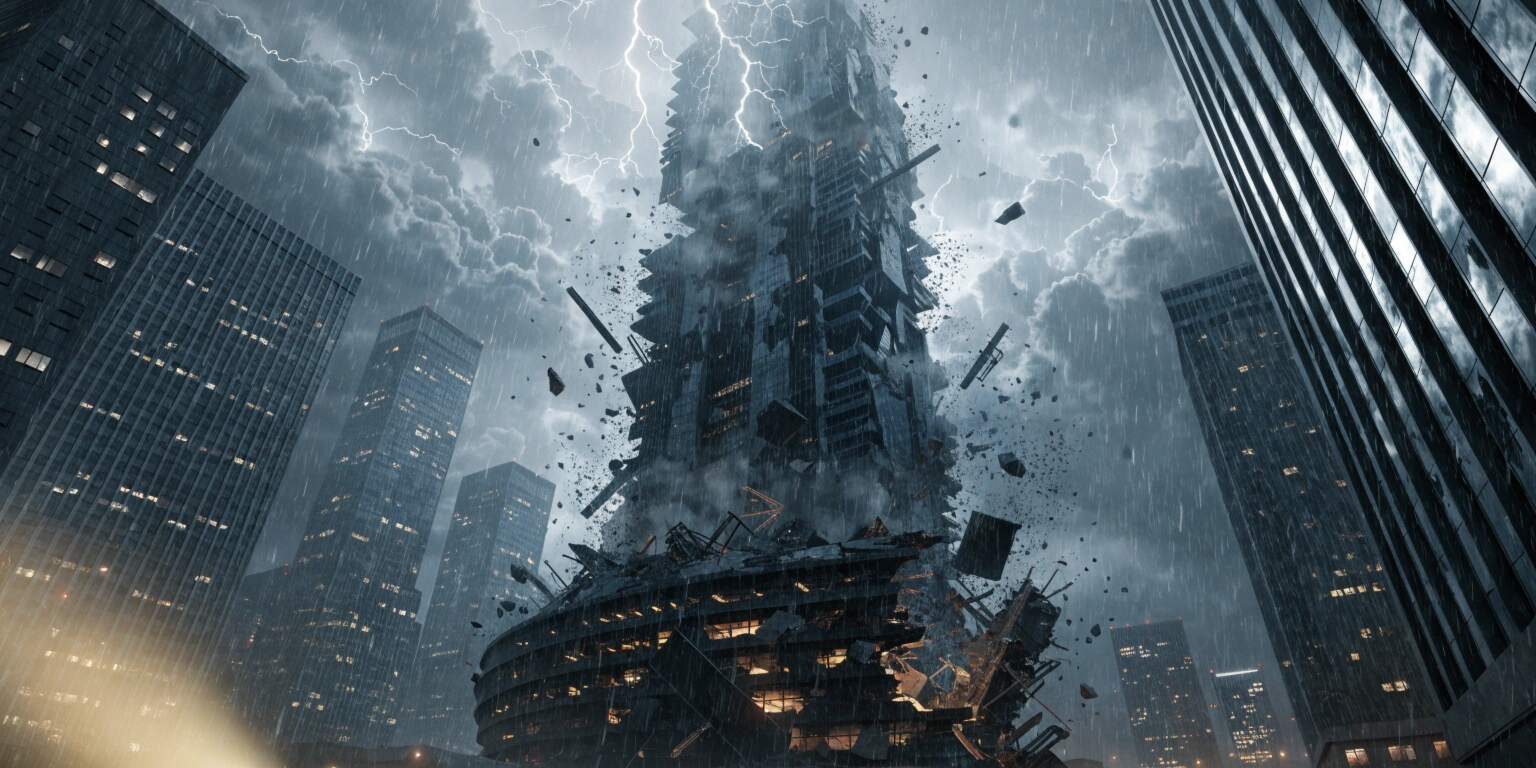
Visual realism has become a defining characteristic of modern video games. From detailed environments to lifelike characters, players expect immersive worlds that respond naturally to lighting and environmental conditions. Achieving this level of realism requires more than artistic skill—it depends on advanced rendering techniques.
One of the most important technologies enabling realistic graphics is Physically Based Rendering, commonly known as PBR.
PBR is a shading and rendering approach that simulates how light interacts with real-world materials. Instead of relying on artistic approximations, PBR uses physical principles to calculate reflections, highlights, and surface properties.
Modern game engines such as Unreal Engine 5 and Unity rely heavily on PBR to produce consistent, realistic visuals across dynamic lighting conditions.
What Is Physically Based Rendering?
Physically Based Rendering is a method that models the behavior of light using real-world physics. The goal is to ensure materials react to lighting in predictable and realistic ways.
In traditional rendering pipelines, artists often manually adjusted lighting parameters to achieve the desired visual effect. However, these results were inconsistent under different lighting environments.
PBR solves this problem by enforcing rules that mimic real-world light behavior.
Key principles include:
- Energy conservation: A surface cannot reflect more light than it receives.
- Micro-surface theory: Surfaces contain microscopic details affecting how light scatters.
- Physically accurate light interaction: Materials respond consistently to different lighting intensities and angles.
Because of these principles, materials created using PBR appear believable in any lighting setup.
Core PBR Texture Maps
PBR relies on several texture maps that define how materials interact with light. These maps provide detailed information to the rendering engine.
Albedo Map
The albedo map represents the base color of a surface without lighting or shadows. Unlike traditional diffuse textures, albedo maps contain only pure color information.
This ensures lighting calculations remain physically accurate.
Metallic Map
The metallic map determines whether a surface behaves like a metal or a non-metal.
Metal surfaces:
- Reflect most incoming light
- Display colored reflections
- Have minimal diffuse lighting
Non-metal surfaces:
- Reflect less light
- Display more diffuse color
This map helps differentiate materials such as steel, plastic, wood, or stone.
Roughness Map
The roughness map controls how smooth or rough a surface appears.
Smooth surfaces:
- Produce sharp reflections
- Create clear highlights
Rough surfaces:
- Scatter light
- Produce blurry reflections
For example:
- Polished metal has low roughness
- Concrete or cloth has high roughness
This property plays a crucial role in achieving realistic lighting effects.
Normal Map
Normal maps simulate surface detail without increasing geometry complexity.
They alter how light interacts with the surface by adjusting the direction of surface normals.
This allows developers to create fine details such as scratches, bumps, or grooves without increasing polygon count.
Real-Time Rendering Advantages
PBR was originally developed for film rendering, but modern GPUs allow real-time implementations.
Game engines now compute lighting dynamically while maintaining high frame rates.
This allows environments to respond naturally to:
- Day-night cycles
- Dynamic weather systems
- Moving light sources
- Explosions or visual effects
For example, games like Cyberpunk 2077 showcase detailed environments where materials respond realistically to neon lighting, reflections, and shadows.
Consistency Across Lighting Environments
One of PBR’s biggest advantages is consistency.
In older pipelines, artists often had to adjust materials for different scenes. A material that looked correct in daylight might appear unrealistic in darker environments.
PBR eliminates this issue.
Because materials are defined using physical properties, they behave correctly regardless of lighting conditions.
This dramatically improves workflow efficiency for artists and developers.
Integration with Modern Rendering Techniques
PBR works alongside several advanced graphics technologies:
- Global illumination
- Screen space reflections
- Ambient occlusion
- Ray tracing
Games such as The Last of Us Part II combine PBR with advanced lighting techniques to produce highly realistic environments and character models.
These technologies together create immersive visuals that closely resemble real-world lighting behavior.
Performance Considerations
Although PBR improves visual quality, it must be optimized for real-time performance.
Game developers balance several factors:
- Texture resolution
- GPU memory usage
- Shader complexity
- Lighting calculations
Modern engines include optimized PBR shaders designed to maintain performance across platforms including PC, consoles, and mobile devices.
Why PBR Matters for Game Development
Physically Based Rendering has become the industry standard for modern game graphics.
Its benefits include:
- Realistic material representation
- Consistent results across lighting conditions
- Improved collaboration between artists and engineers
- Efficient asset pipelines
- Better scalability for large game environments
As graphics hardware continues to evolve, PBR will remain a foundational component of real-time rendering systems.
Final Thoughts
Physically Based Rendering has fundamentally changed how developers create visual experiences in games. By simulating real-world physics, PBR allows materials to behave naturally under any lighting condition.
This approach not only improves realism but also simplifies the development workflow by providing consistent and predictable results.
For modern game developers and technical artists, understanding PBR is essential. As game worlds become increasingly complex and immersive, physically accurate rendering techniques will continue to shape the future of interactive graphics.