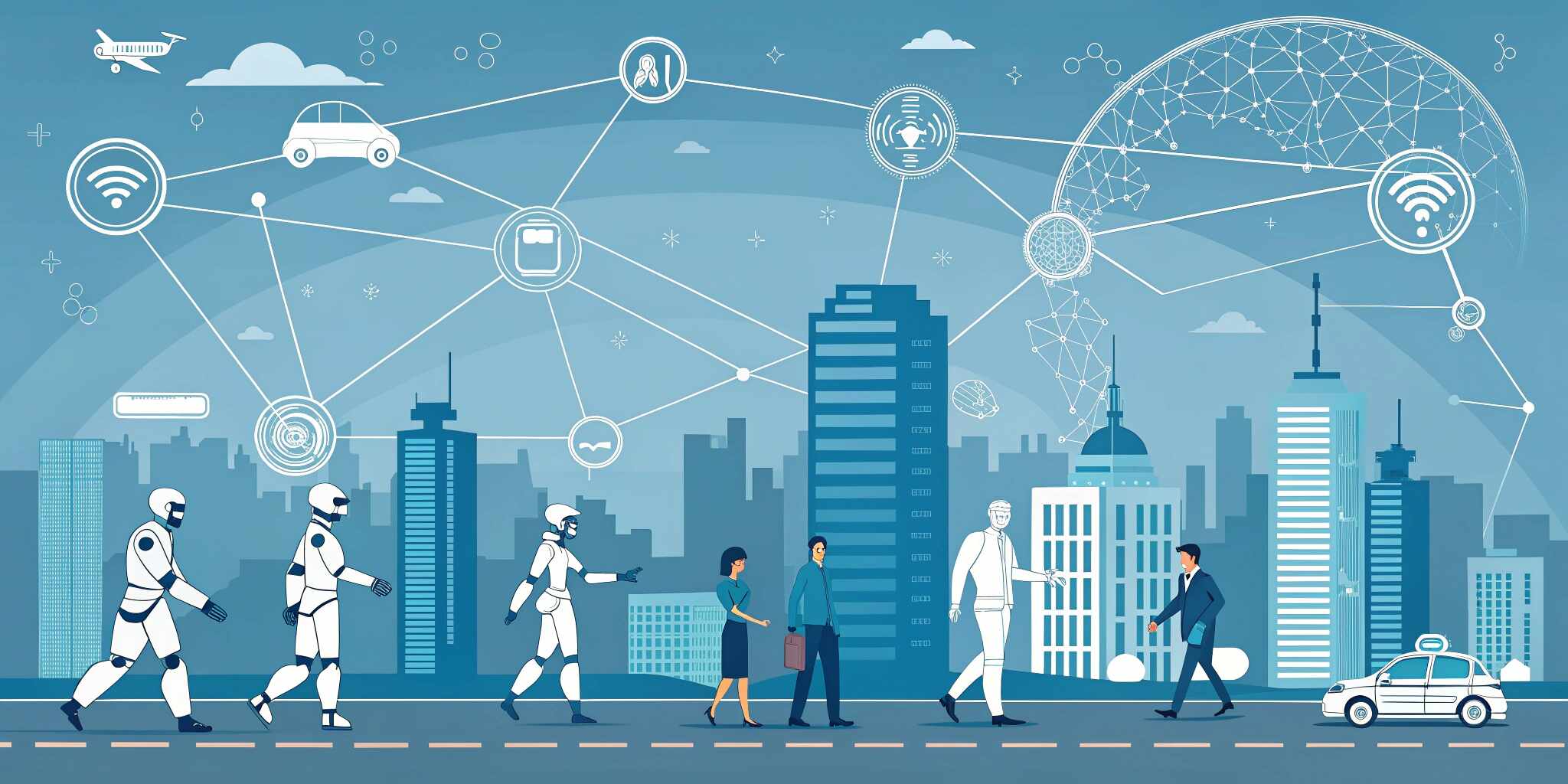
As artificial intelligence systems grow more advanced, relying on a single model is no longer sufficient for solving complex, real-world problems. Instead, modern systems are built using multiple specialized agents working together. This approach, known as Multi-Agent Systems, allows for modular, scalable, and intelligent architectures.
However, coordinating multiple agents efficiently requires a structured approach. This is where graph-based workflows come into play.
What Are Multi-Agent Systems?
Multi-agent systems (MAS) consist of autonomous agents that interact and collaborate to achieve a common goal. Each agent performs a specific function, such as:
- Data collection
- Processing and analysis
- Decision-making
- Task execution
By distributing tasks among agents, systems can handle complexity more effectively.
Why Orchestration Matters
Without proper orchestration, multi-agent systems can become chaotic:
- Tasks may overlap or conflict
- Communication may break down
- Performance may degrade
Orchestration ensures that agents work in harmony, following a defined structure and sequence.
Understanding Graph-Based Workflows
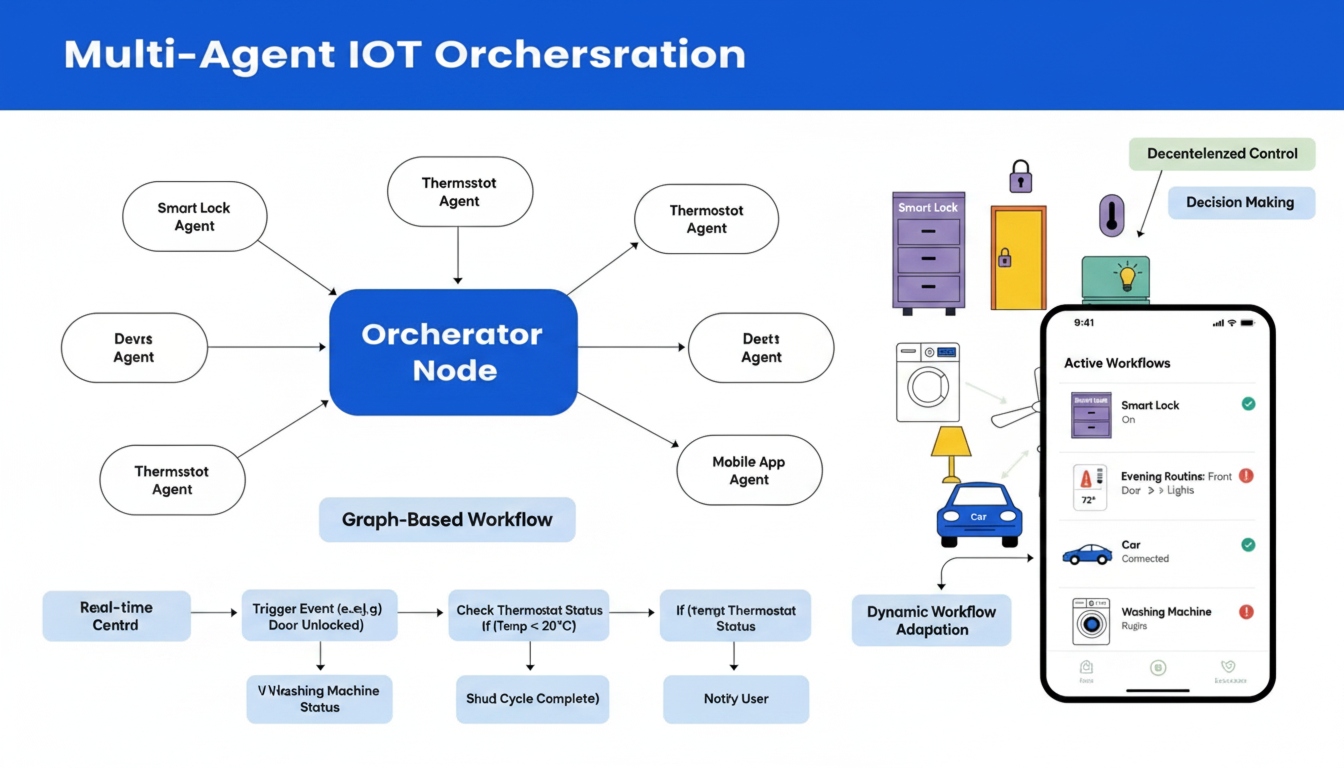
Graph-based workflows model processes as directed graphs:
- Nodes: Represent tasks or agents
- Edges: Represent data flow or dependencies
This structure provides a clear and flexible way to define how tasks move through the system.
Tools like Apache Airflow and LangGraph are commonly used to implement graph-based workflows in AI systems.
How Graph-Based Orchestration Works
A typical workflow operates as follows:
- Input data enters the system
- The workflow routes tasks to appropriate agents
- Each agent processes its assigned task
- Results are passed to the next node in the graph
- The process continues until the final output is generated
This structured approach ensures efficiency and coordination.
Key Benefits
1. Scalability
New agents can be added without disrupting the system, making it easy to scale.
2. Modularity
Each agent functions independently, allowing easy updates and maintenance.
3. Transparency
Graph visualization helps developers understand and debug workflows.
4. Flexibility
Dynamic routing allows workflows to adapt based on conditions or inputs.
Real-World Applications
AI Assistants
Different agents handle tasks like language understanding, reasoning, and response generation.
Data Processing Pipelines
Graph workflows manage data ingestion, transformation, and analytics.
Autonomous Systems
Robots and self-driving systems use multiple agents for perception, planning, and control.
Enterprise Automation
Businesses automate workflows like customer support, document processing, and decision-making.
Organizations such as OpenAI are exploring agent-based systems to build more advanced AI solutions.
Challenges in Implementation
Despite its advantages, graph-based orchestration has challenges:
- Complexity: Large workflows can be difficult to manage
- Latency: Multiple agents may introduce delays
- Error Handling: Failures in one node can affect the entire system
- State Management: Maintaining consistency across agents is complex
Addressing these issues requires robust design and monitoring.
Best Practices
To build effective multi-agent workflows:
- Define clear roles for each agent
- Use efficient communication protocols
- Implement retry and fallback mechanisms
- Monitor workflows in real time
- Optimize graph structure for performance
These practices ensure reliability and scalability.
Future Trends
The future of AI is moving toward collaborative systems rather than standalone models. Key trends include:
- Autonomous multi-agent ecosystems
- AI copilots with specialized agents
- Integration with real-time data streams
- Human-AI collaboration frameworks
Graph-based orchestration will be central to these advancements.
Conclusion
Orchestrating multi-agent systems with graph-based workflows is a powerful approach to building scalable and intelligent AI applications. By structuring interactions through directed graphs, developers can manage complexity, improve efficiency, and enable seamless collaboration between agents.
As AI systems continue to evolve, mastering this architecture will be essential for creating next-generation solutions that are both powerful and adaptable.