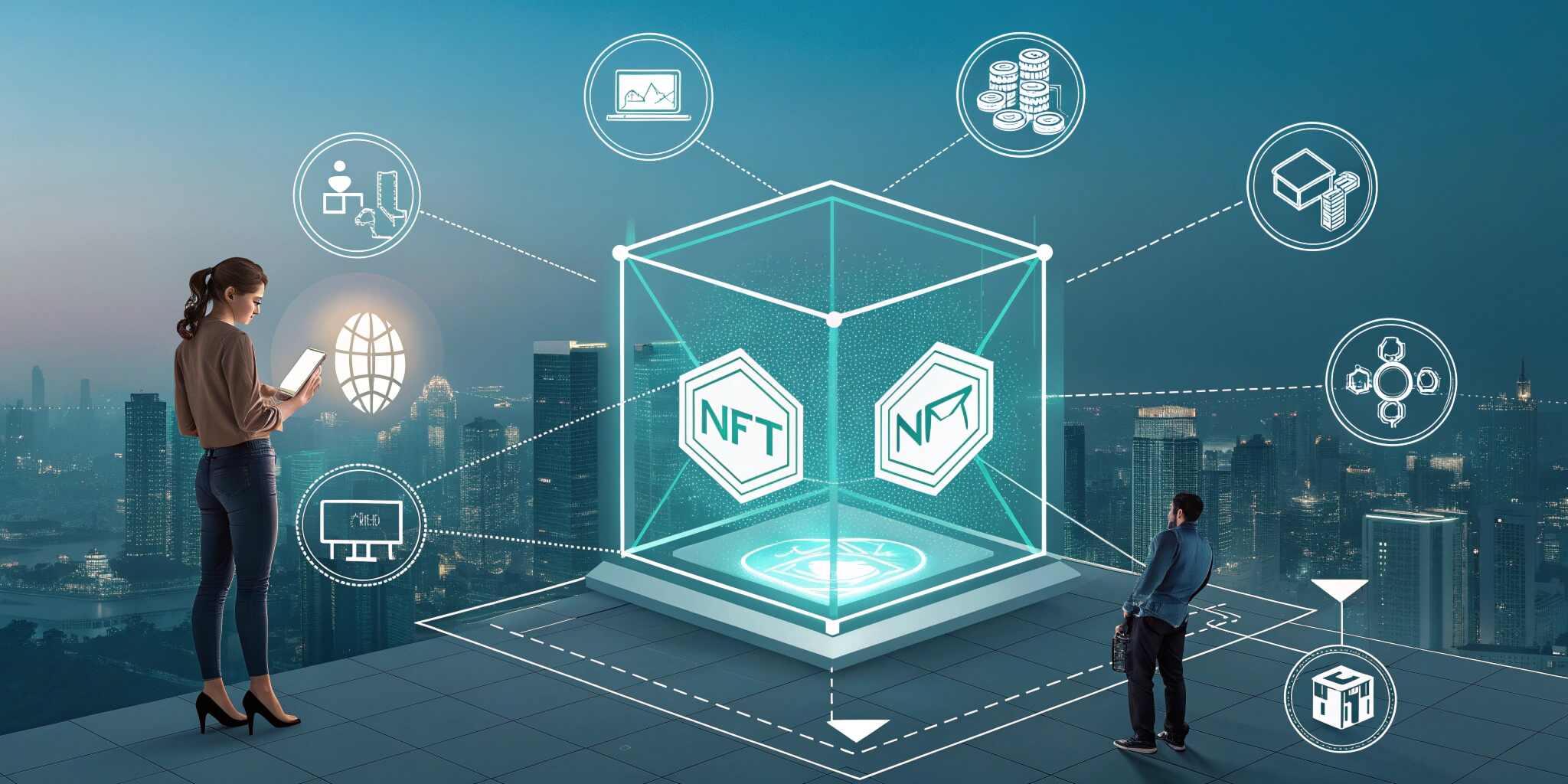
For many people, the word “NFT” still brings to mind expensive profile pictures, digital art hype, and speculation. While early NFT adoption was dominated by collectibles, the technology behind NFTs is far more powerful. Today, the most successful projects are shifting towards NFTs with real utility—NFTs that provide actual benefits, access, and functionality beyond just owning a digital image.
Utility NFTs are changing the way businesses build communities, reward users, and offer digital ownership. Let’s explore what utility NFTs are, how they work, and why they matter for the future of Web3.
What Are Utility NFTs?
A utility NFT is a non-fungible token that offers practical value to the holder. Instead of being only a collectible asset, it acts as a digital key that unlocks services, experiences, or rewards.
Utility can include:
- access to exclusive content or communities
- membership benefits
- event ticket entry
- in-game ownership of items
- loyalty points and rewards
- discounts or product perks
- proof of ownership or identity
In simple words:
Utility NFTs = Digital ownership + Real benefits
Why Utility NFTs Matter
The long-term success of NFTs depends on value beyond hype. Utility NFTs are important because they create:
✅ stronger user engagement
✅ recurring benefits for holders
✅ new revenue models for brands
✅ more trust through verifiable ownership
✅ a real reason to hold instead of flipping
Unlike speculative NFTs, utility-based NFTs can keep communities active even when the market is down.
Real-World Utility NFT Use Cases
1. NFT Memberships & Subscriptions
One of the most common and effective uses is membership access.
Example benefits:
- access to private Discord groups
- premium content (courses, newsletters, tutorials)
- exclusive webinars or events
- early access to product launches
Instead of monthly subscriptions, NFT membership can be:
- lifetime access
- transferable access (sell the NFT to someone else)
- tier-based memberships (Gold, Platinum, VIP)
This is attractive for creators and businesses because it builds loyal communities and adds scarcity.
2. NFT Ticketing for Events
NFT tickets reduce fraud, improve transparency, and create better fan experiences.
Why NFT ticketing works:
- tickets are verifiable and hard to duplicate
- resale can be controlled with smart contracts
- organizers can earn royalties on secondary sales
- users can keep tickets as collectibles
NFT tickets can also unlock:
- backstage passes
- meet-and-greet access
- special merchandise redemption
This model is growing in concerts, sports events, and online conferences.
3. NFTs in Gaming (Playable Assets)
Gaming is one of the strongest areas for NFT utility.
In-game NFT assets can include:
- skins and characters
- weapons and rare items
- land or property
- achievements or badges
The biggest benefit is true ownership. Players can trade or sell items, and in some ecosystems, NFTs can work across multiple games.
Utility NFTs in gaming also support:
- play-to-earn economies
- tournaments and competitions
- community-driven marketplaces
4. NFT Loyalty & Rewards Programs
Brands can use NFTs as loyalty rewards to increase retention and repeat purchases.
Example:
- buy 5 products → earn a reward NFT
- holding an NFT gives discounts on future purchases
- NFT holders receive limited edition drops
This is a modern version of loyalty cards, but with added benefits:
- easy verification
- tradable rewards
- stronger community engagement
5. Token-Gated Access for Digital Products
Utility NFTs can act as access keys for:
- software features
- premium app modules
- gated learning resources
- paid templates and digital downloads
This is especially useful for SaaS platforms and content creators who want to create exclusive tiers.
6. NFTs for Digital Identity & Verification
NFTs can also represent:
- verified certificates
- membership proof
- professional credentials
- ownership of digital assets
For example:
- a course completion NFT can act as a certificate
- a verified identity NFT can reduce fraud
- a business can verify access rights without passwords
This is still evolving, but it’s a promising real-world use case.
How Utility NFTs Work (Behind the Scenes)
Utility NFTs are powered by smart contracts. The NFT stores:
- ownership data (wallet address)
- metadata (type, tier, benefits)
- rules for transfer and royalties
When a user connects their wallet to a website or app, the system checks:
- does the user own the NFT?
- is it the right collection or tier?
- is it valid/active?
If yes, access is granted automatically.
This is called token-gating, and it’s a key foundation for NFT utility.
Challenges of Utility NFTs
While utility NFTs are powerful, they also come with challenges:
1. User Experience (UX)
Many users still find wallets, gas fees, and blockchain confusing. Projects must focus on:
- simple onboarding
- clear instructions
- low-fee chains
2. Delivering Real Value
Utility must be meaningful. If benefits are weak or unclear, users won’t hold the NFT.
3. Sustainability
A good utility NFT project requires long-term planning:
- continuous rewards
- new perks over time
- partnerships and growth
Best Practices for Building Utility NFTs
To create a strong utility NFT project:
- define clear benefits and roadmap
- build tier-based access for different user groups
- keep perks consistent and easy to redeem
- focus on community building, not hype
- choose scalable blockchain infrastructure
- ensure security audits for smart contracts
Final Thoughts
NFTs with real utility are the future of NFTs. The shift from “digital art hype” to “digital ownership with benefits” is what will drive mainstream adoption. Whether it’s memberships, gaming assets, ticketing, or loyalty programs, utility NFTs create real reasons for users to participate and stay engaged.
For businesses, creators, and startups, the biggest opportunity lies in building NFTs that offer value, not just visuals.