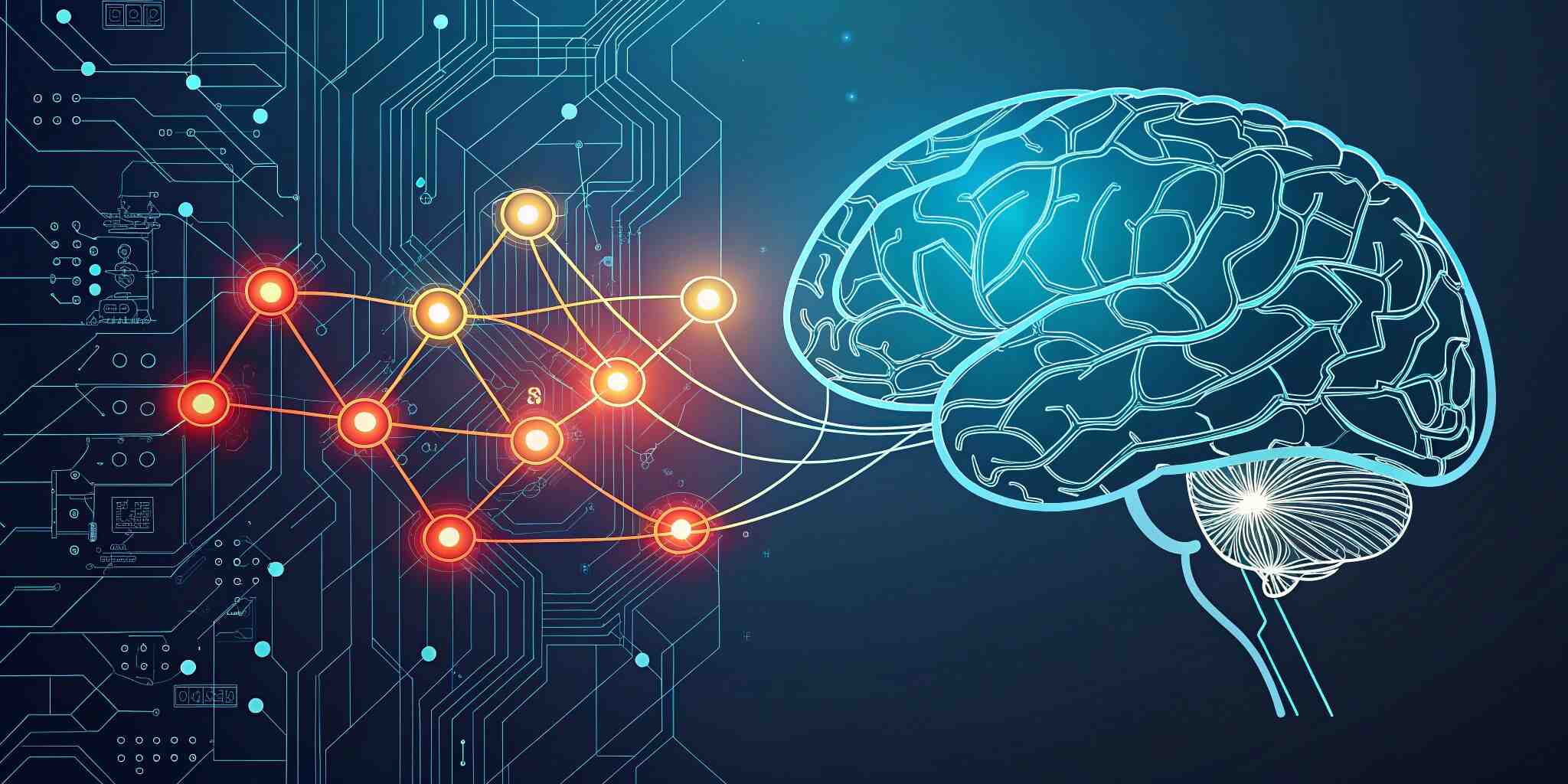
Artificial intelligence has evolved rapidly, yet even today’s most powerful AI systems operate very differently from the human brain. While conventional computing relies on sequential processing and power-hungry architectures, the human brain excels at processing complex information instantly, efficiently, and adaptively. This gap between biological intelligence and machine intelligence has inspired a revolutionary technological direction known as neuromorphic computing — a field dedicated to designing hardware and algorithms based on how the human brain functions.
Neuromorphic computing aims to replicate the brain’s architecture using artificial neurons and synapses that communicate through electrical spikes, similar to biological neural activity. This shift from traditional computing methods enables AI systems to operate with dramatically improved energy efficiency, real-time processing capabilities, and adaptive learning behaviours. At the heart of this paradigm are spiking neural networks (SNNs), which mimic the timing-based communication used by actual neurons.
Unlike traditional neural networks that process continuous values, SNNs transmit information only when needed, via spikes, making them event-driven and exceptionally power efficient. This nature allows neuromorphic processors to run complex AI workloads using minimal battery power — a breakthrough that has massive implications for edge devices, mobile systems, robotics, and IoT sensors.
One of the most compelling advantages of neuromorphic computing is its ultra-low energy consumption. Traditional AI models require enormous computational resources, especially for tasks such as image recognition, natural language processing, or decision-making. Neuromorphic chips, however, can execute similar tasks using just a fraction of the power. Companies like Intel, IBM, and BrainChip have already created neuromorphic processors—such as Intel Loihi, IBM TrueNorth, and BrainChip Akida—that demonstrate remarkable gains in efficiency. These chips can support real-time AI processing on battery-powered devices without depending on cloud infrastructure.
Another transformative capability of neuromorphic computing is real-time learning. Traditional AI models rely on offline training, require extensive datasets, and demand significant computational resources. Neuromorphic systems, on the other hand, can learn continuously as new information arrives, just like a human brain adapting to new experiences. This continual learning ability benefits applications where data changes rapidly, such as autonomous vehicles navigating unpredictable environments, drones adapting to dynamic flight conditions, or industrial robots working alongside humans.
Neuromorphic computing also plays a major role in edge AI, where latency, bandwidth, and privacy are critical. Instead of sending data to the cloud for processing, neuromorphic processors enable devices to compute locally, instantly, and securely. This makes them ideal for smart cameras, hearing aids, medical monitoring devices, AR/VR systems, and smart home assistants. Because data stays on the device, users also benefit from stronger privacy protections.
In robotics, neuromorphic chips power more natural, adaptive movement by enabling real-time processing of sensory inputs and motor responses. Robots can react immediately to changes in their environment, similar to how humans respond reflexively to stimuli. This capability is essential for next-generation humanoid robots, assistive machines, manufacturing bots, and autonomous delivery systems.
Despite its potential, neuromorphic computing faces challenges. One major barrier is the limited availability of large-scale software tools and frameworks for developing SNN-based applications. Most existing AI tools are designed for traditional neural networks, making it difficult for developers to adopt neuromorphic architectures. Additionally, the ecosystem is still evolving, and integrating neuromorphic chips with existing hardware infrastructure requires new engineering approaches.
However, the momentum behind neuromorphic research continues to accelerate. As industries demand more efficient, intelligent, and real-time AI systems, neuromorphic computing is set to become a cornerstone of next-generation technology. From energy-saving IoT sensors to human-like robotics and adaptive autonomous systems, this brain-inspired approach will redefine how machines learn, operate, and interact with the world.
Neuromorphic computing represents more than a technological milestone — it marks the beginning of a new era where artificial intelligence moves closer to human cognition, enabling smarter, more efficient, and more responsive systems than ever before.