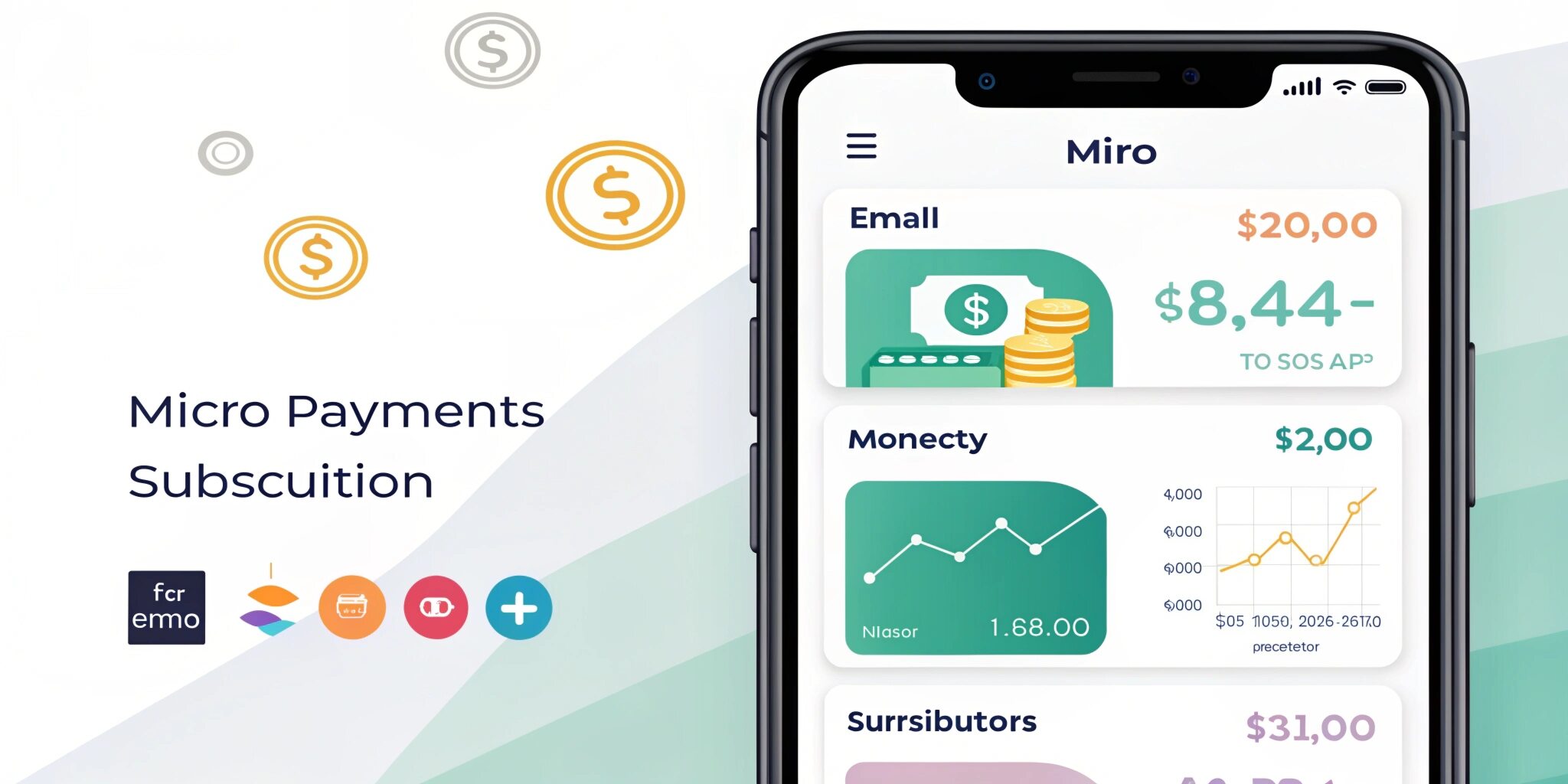
The mobile app industry has undergone a massive transformation in the way revenue is generated and sustained. Traditional models such as one-time paid apps and excessive in-app advertisements are no longer sufficient to maintain profitability or deliver engaging user experiences. Today, micro-payments and subscription-based models have emerged as powerful monetization strategies that enable app developers to create recurring revenue streams while enhancing user satisfaction and long-term engagement.
Understanding Micro-Payments in Mobile Apps
Micro-payments refer to small in-app purchases where users spend small amounts of money — typically a few rupees or dollars — to access digital goods, premium features, virtual products, or content upgrades. Popularly seen in gaming, entertainment, e-commerce, and productivity tools, these transactions reduce the financial barrier and increase impulse purchases.
For example, buying extra lives in a game, unlocking design templates, or purchasing filters in photo-editing apps all fall under micro-transactions.
Subscription Models: A More Predictable Revenue Stream
Subscription models allow users to access premium features for a recurring fee such as weekly, monthly, or yearly payments. This ensures stable revenue flow, accurate forecasting, and improved budgeting for product growth.
Industries such as OTT platforms, fitness apps, learning apps, and productivity tools rely heavily on subscription patterns to deliver continuous value and feature upgrades.
Types of Subscription Models
- Freemium Model: Basic version is free; advanced features require subscription.
- Tiered Pricing Model: Multiple pricing plans depending on features and usage.
- Pay-as-you-go Model: Users pay only for what they consume.
- Hybrid Model: Mix of subscriptions + micro-payments.
- Membership-based Model: Exclusive community access benefits.
Why Developers Are Shifting to These Models
✔ Higher Revenue Potential
Micro-transactions often lead to revenue far beyond one-time payments, especially in gaming and e-commerce apps.
✔ Improved User Retention
Subscriptions ensure users remain engaged for longer time periods because they pay continuously for value.
✔ Personalized User Experiences
Payment models can be tailored based on user behavior, demographics, or engagement history.
✔ Reduced Reliance on Ads
Too many advertisements decrease user satisfaction; subscriptions maintain revenue without harming experience.
Industries Adopting Micro-Payments & Subscriptions
IndustryUse CaseGaming AppsBuying skins, weapons, in-game currencyOTT & MediaMonthly streaming accessFitness & HealthPersonalized workout plans, diet chartsEd-TechCertification programs, live learningTools & ProductivityCloud storage, premium templates
Implementation Strategies for Developers
- Conduct pricing experiments using A/B testing
- Offer free trials and discount coupons to increase conversion
- Add value-driven content and features regularly
- Use behavioral analytics to customize offers
- Provide both subscription and micro-payment options for flexibility
Challenges to Consider
While these models perform exceptionally well, challenges include subscription fatigue, managing churn rate, and delivering continuous value to justify cost. Transparent pricing policies and personalized renewal strategies help reduce unsubscribe rates.
The Future of App Monetization
With rapid adoption of digital payments and UPI-based micro-transactions, hybrid monetization is becoming the global standard. AI-driven personalization, dynamic pricing, and cross-platform subscription syncing are expected to dominate the future of mobile commerce.