Main Content
Blockchain technology has revolutionized digital trust, decentralization, and transparency. However, as adoption grows, traditional Layer-1 blockchains face critical challenges—slow transaction speeds, network congestion, and high gas fees. This is where Layer-2 & Scalable Architectures play a transformative role, enabling blockchains to scale without compromising security or decentralization.
Understanding the Scalability Problem
Most Layer-1 blockchains, such as Ethereum, process transactions directly on the main chain. While this ensures strong security and consensus, it limits throughput. When thousands of users interact simultaneously, networks become congested, transaction fees spike, and confirmation times increase. This scalability bottleneck restricts blockchain’s ability to support mass adoption, enterprise systems, and high-frequency applications like gaming and DeFi.
What Are Layer-2 Solutions?
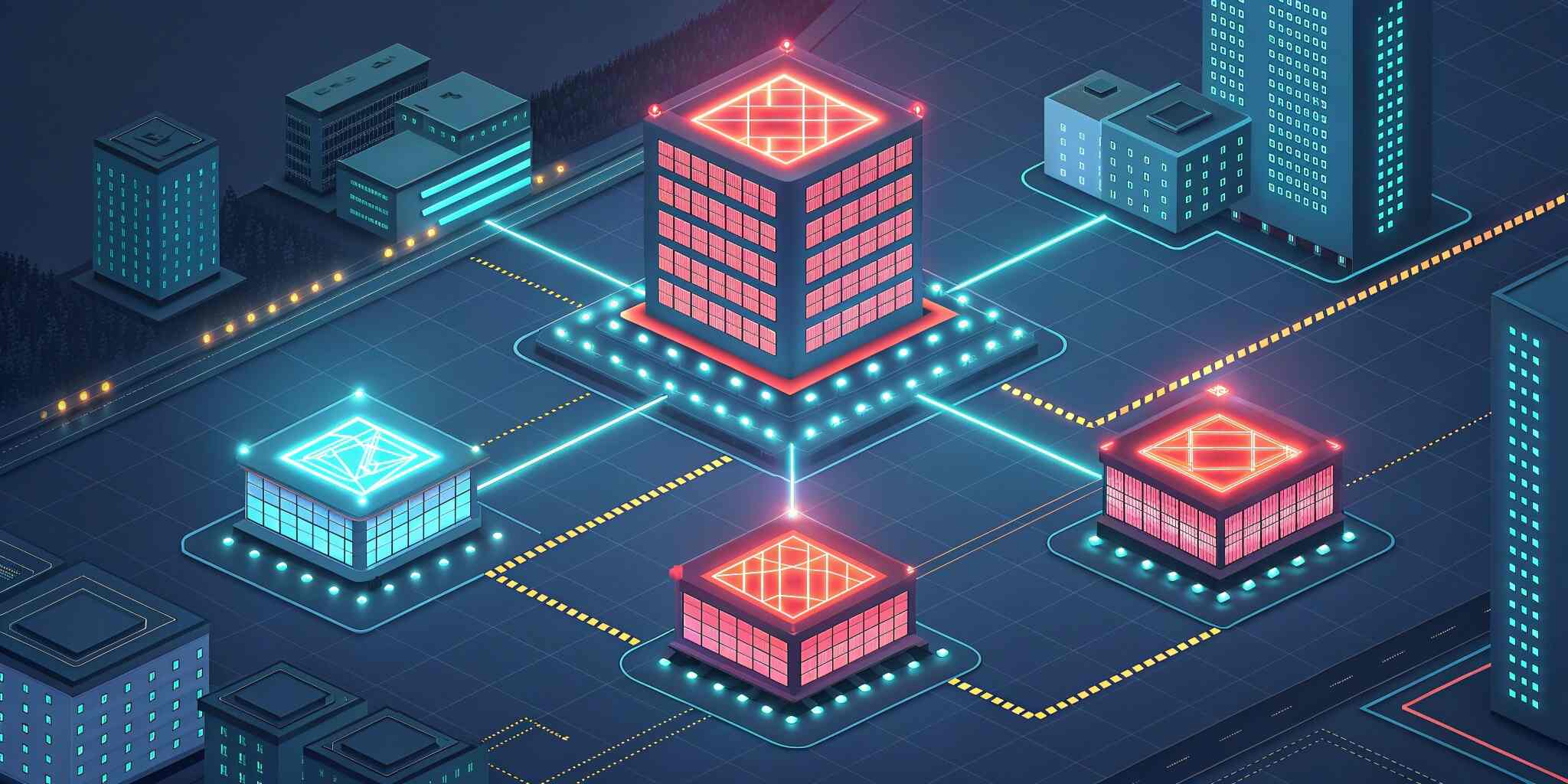
Layer-2 solutions are protocols built on top of a Layer-1 blockchain. Instead of processing every transaction on the main chain, they handle transactions off-chain or in parallel environments and later settle final results on Layer-1. This significantly improves speed and reduces costs while inheriting the base layer’s security.
In simple terms, Layer-2 acts as an optimization layer, offloading work from the main blockchain.
Key Types of Layer-2 Architectures
1. Rollups
Rollups bundle hundreds or thousands of transactions into a single transaction submitted to Layer-1.
- Optimistic Rollups assume transactions are valid unless challenged.
- zk-Rollups use cryptographic proofs to validate transactions instantly.
- Both drastically reduce gas fees and increase throughput.
2. Sidechains
Sidechains operate independently with their own consensus mechanisms while remaining connected to the main chain. They offer flexibility and speed but rely on their own security models.
3. State Channels
State channels allow participants to transact off-chain and only record the final state on Layer-1. They are ideal for microtransactions and gaming use cases.
4. Plasma Chains
Plasma creates child chains that periodically submit proofs to the main chain, helping scale transaction volume efficiently.
Benefits of Layer-2 & Scalable Architectures
- Higher Transaction Throughput: Thousands of transactions per second become possible.
- Lower Transaction Fees: Reduced on-chain computation lowers gas costs significantly.
- Improved User Experience: Faster confirmations make dApps feel more like traditional apps.
- Scalability Without Centralization: Maintains decentralization while scaling efficiently.
- Developer Flexibility: Enables complex applications such as DeFi, NFTs, and blockchain games.
Real-World Use Cases
Layer-2 architectures are already powering real-world blockchain applications. DeFi platforms use rollups to reduce trading costs. NFT marketplaces rely on Layer-2 for affordable minting and transfers. Blockchain-based games use state channels for real-time interactions. Enterprises adopt scalable architectures for supply chain tracking, identity management, and secure data sharing.
The Future of Scalable Blockchain Systems
As Web3 adoption accelerates, scalable architectures will become the backbone of blockchain ecosystems. Ethereum’s roadmap heavily emphasizes Layer-2 expansion, while other networks are integrating native scaling solutions. Interoperability between Layer-2 networks will further enhance usability and cross-chain functionality.
Ultimately, Layer-2 & Scalable Architectures are not just enhancements—they are essential infrastructure. Without them, blockchain would struggle to compete with traditional systems in speed, cost, and usability.
Conclusion
Layer-2 & Scalable Architectures are solving blockchain’s most critical limitations. By enabling faster transactions, lower fees, and better user experiences, they pave the way for mass adoption and enterprise-grade blockchain solutions. As technology evolves, these architectures will define the future of decentralized innovation.