In the fast-paced world of web development, developers and organizations are constantly seeking efficient ways to build high-performing, secure, and scalable websites. Two technologies leading this transformation are JAMstack and Headless CMS. When combined, they form a perfect duo that empowers developers to deliver seamless digital experiences while giving businesses full control over content management and site performance. This modern web architecture is redefining how websites are developed, deployed, and maintained in the era of digital innovation.
JAMstack, short for JavaScript, APIs, and Markup, is a modern web development architecture designed to improve performance, security, and scalability. Unlike traditional monolithic architectures, where front-end and back-end systems are tightly coupled, JAMstack decouples them entirely. Websites built on JAMstack are pre-rendered during build time, meaning that content is converted into static files that can be quickly served via Content Delivery Networks (CDNs). This approach eliminates the need for dynamic server-side processing, resulting in faster load times and reduced server costs.
On the other hand, Headless CMS plays a vital role in managing and delivering content in this ecosystem. It serves as a back-end-only content repository, enabling content creators to manage text, images, videos, and other digital assets while delivering them through APIs to various front-end platforms. When paired with JAMstack, the Headless CMS becomes the content backbone, seamlessly integrating with front-end frameworks like Next.js, Gatsby, or Nuxt.js to generate static or hybrid web pages. This combination ensures that content remains dynamic and updatable without compromising the site’s static performance benefits.
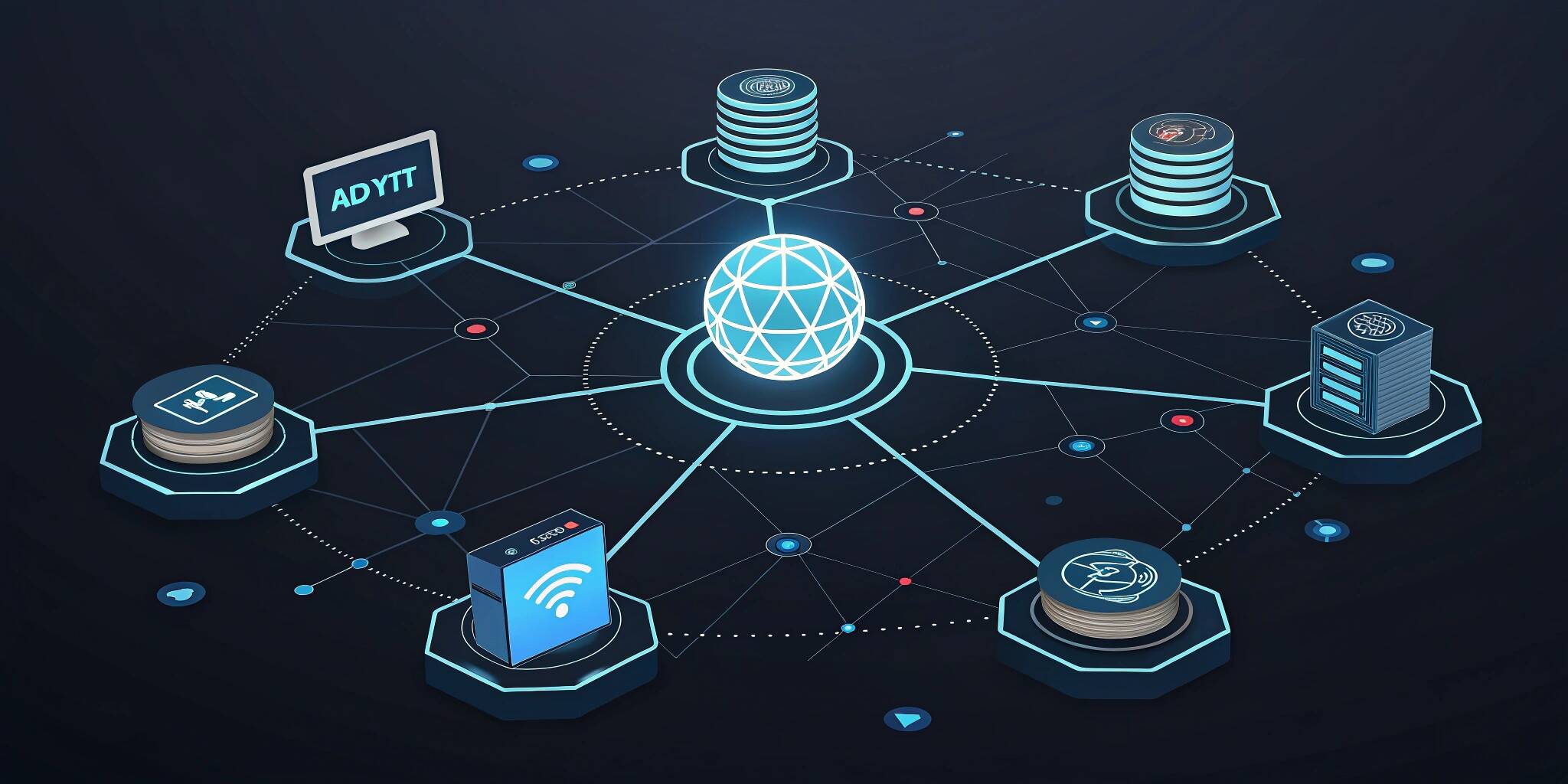
One of the key reasons why JAMstack and Headless CMS are considered a perfect match lies in their shared philosophy of decoupling. JAMstack focuses on pre-rendering and serving content through APIs, while Headless CMS focuses on delivering structured content via APIs. Together, they create an agile development environment where developers and content teams can work independently. Developers can build front-end interfaces using their preferred technologies, and content creators can publish updates without requiring code changes or deployment cycles. This independence significantly accelerates development workflows and content updates.
Performance is at the core of JAMstack’s appeal. Because pages are pre-built and served as static assets, websites load almost instantly. Coupled with a Headless CMS, businesses can manage and update content frequently without sacrificing speed. Modern frameworks like Next.js and Gatsby further optimize this process by supporting incremental builds and on-demand revalidation—allowing specific pages to update instantly when content changes in the CMS. This ensures that even dynamic websites maintain the speed and stability of static ones.
Security is another area where JAMstack and Headless CMS shine. Traditional web architectures are often vulnerable because of direct connections between the front-end, database, and server. In contrast, JAMstack sites have no direct database or server exposure. Since the front-end is static and content is fetched via secure APIs, the attack surface is dramatically reduced. Moreover, hosting static files on CDNs adds another layer of protection, ensuring resilience and uptime even during high-traffic periods.
Scalability is also a defining strength of this duo. Because JAMstack websites are served through CDNs, scaling up to handle millions of visitors is as simple as caching and distributing static assets globally. When paired with a Headless CMS, content teams can deliver localized or personalized content effortlessly across different regions and devices. This makes JAMstack and Headless CMS a preferred choice for enterprises, e-commerce platforms, and media houses that need reliable performance on a global scale.
Another major advantage is the developer experience. JAMstack enables developers to focus purely on building user interfaces and experiences without worrying about complex server-side logic or infrastructure. Meanwhile, Headless CMS platforms like Contentful, Strapi, Sanity.io, and Ghost integrate smoothly into this workflow, providing easy content APIs. Developers can easily fetch and render content using REST or GraphQL queries, enhancing flexibility and productivity. The result is a cleaner codebase, reduced dependencies, and a streamlined development cycle.
From a business perspective, adopting JAMstack and Headless CMS translates to long-term benefits. Websites built on this architecture are faster, more secure, and easier to maintain—leading to higher SEO rankings, better user engagement, and lower operational costs. Moreover, this setup allows for omnichannel content delivery, ensuring consistency across web, mobile, and emerging platforms like smart devices or digital kiosks.
In conclusion, the combination of JAMstack and Headless CMS represents the future of web development. It harmonizes the strengths of both technologies—speed, flexibility, and scalability—while simplifying maintenance and enhancing security. Developers can focus on innovation, while content teams can manage updates independently. As digital experiences continue to evolve, this architecture stands as a beacon of modernity, setting a new standard for how web applications and websites are built and delivered.