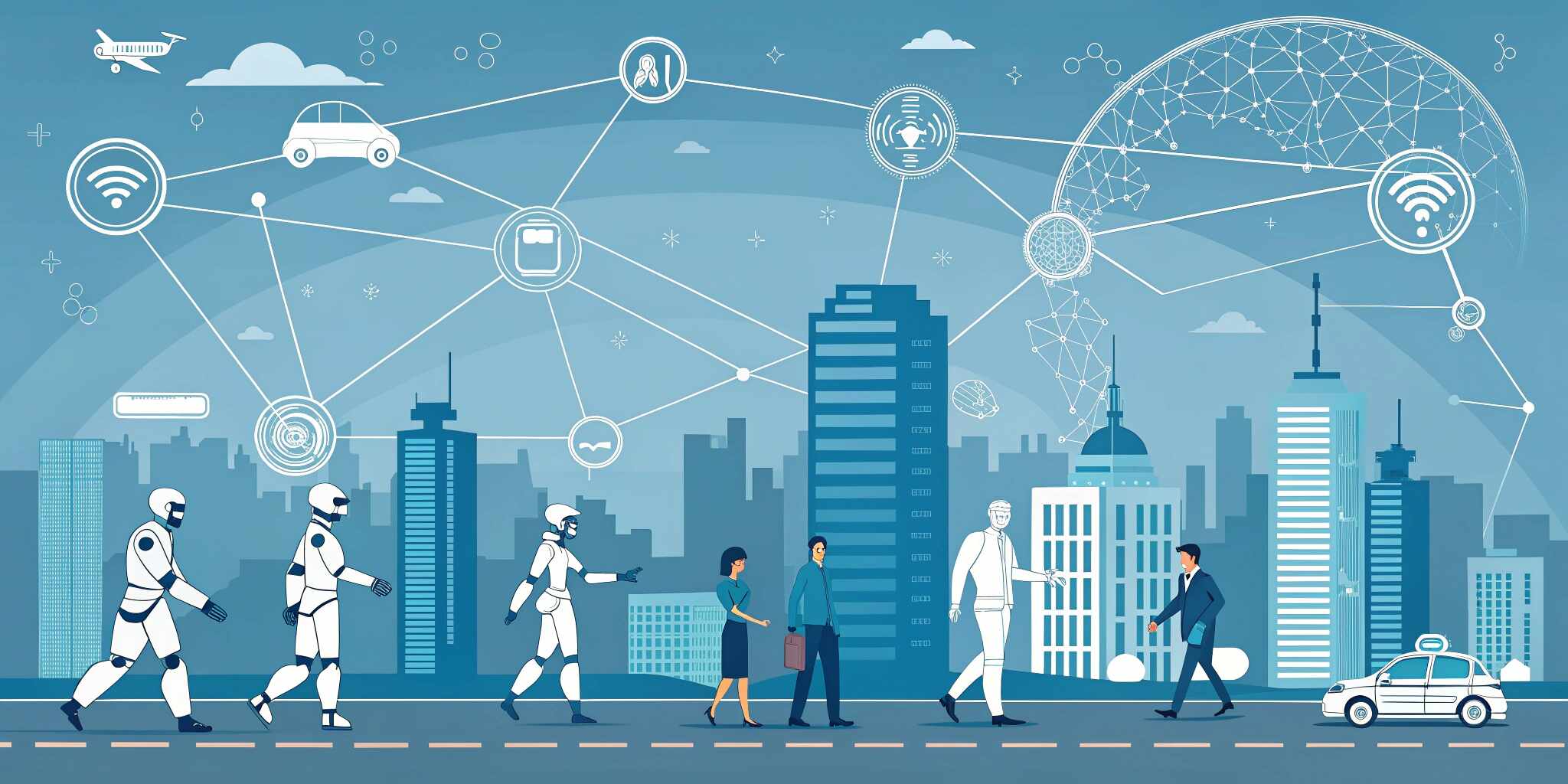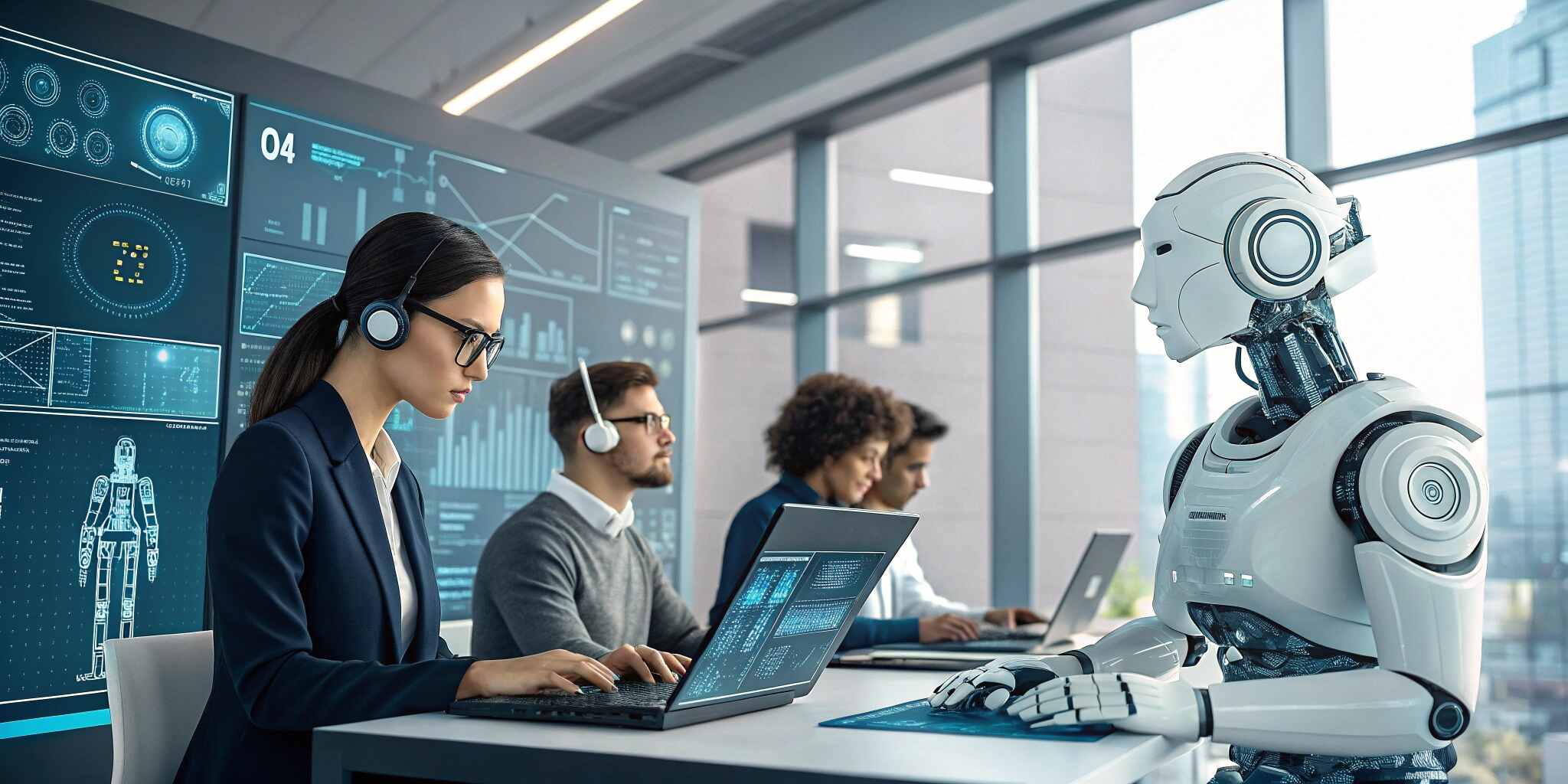
The rapid evolution of artificial intelligence (AI) has sparked one of the most significant shifts in modern industry — the rise of human-AI collaboration. Rather than replacing human talent, AI is increasingly seen as a powerful partner that enhances decision-making, creativity, and efficiency. This collaborative relationship marks a new era of workforce transformation where machines and humans work together, each leveraging their unique strengths to achieve shared goals.
In earlier discussions about automation, the narrative often centered on fear — the idea that AI and robotics would replace human jobs. However, as organizations began to adopt AI more strategically, it became clear that the real potential lies not in substitution but in augmentation. Humans bring emotional intelligence, ethical reasoning, and complex problem-solving, while AI contributes precision, speed, and data-driven insights. When these capabilities converge, businesses unlock new levels of innovation and productivity.
Human-AI collaboration is already reshaping how industries operate. In healthcare, AI algorithms assist doctors by analyzing vast datasets, identifying early signs of diseases, and recommending treatments based on real-time data. This doesn’t replace medical expertise but rather amplifies it, enabling healthcare professionals to make more informed and timely decisions. Similarly, in finance, AI-driven analytics help human advisors detect market trends, assess risks, and personalize client experiences with unprecedented accuracy.
In creative fields, collaboration between humans and AI is breaking new boundaries. Artists use AI tools to generate design variations, musicians create compositions with algorithmic assistance, and writers employ natural language models to enhance storytelling. These technologies serve as creative partners, expanding human imagination rather than confining it. The result is a powerful blend of analytical depth and emotional resonance — something neither humans nor machines could achieve alone.
From a business perspective, the integration of AI into daily workflows also improves operational efficiency. Repetitive administrative tasks such as scheduling, data entry, and inventory management can be automated, freeing employees to focus on strategy and innovation. AI chatbots and virtual assistants streamline customer interactions, while predictive analytics optimize logistics and supply chains. The human workforce thus transitions from task execution to strategic oversight, guiding AI systems and interpreting their insights in meaningful ways.
However, embracing human-AI collaboration requires more than technological adoption — it demands cultural transformation. Organizations must nurture digital literacy and foster trust between employees and AI systems. Workers need to understand how AI decisions are made and feel confident that automation is there to support, not replace them. This involves transparent communication, continuous learning, and reskilling programs designed to help employees adapt to evolving roles.
Another crucial consideration is ethical collaboration. As AI becomes a decision-making partner, issues like algorithmic bias, data privacy, and accountability come to the forefront. Human oversight remains essential to ensure fairness, inclusivity, and compliance with regulations. The future workforce will likely see humans acting as ethical supervisors, guiding AI behavior and interpreting its recommendations through a moral and cultural lens.
The rise of hybrid workplaces also demonstrates how human-AI collaboration is extending beyond specific industries. Tools powered by AI — from smart scheduling apps to intelligent project management systems — are improving teamwork, productivity, and remote collaboration. AI systems can identify workflow bottlenecks, recommend improvements, and even forecast project outcomes. This evolution signals a shift toward a symbiotic workforce, where humans and machines co-evolve to enhance one another’s capabilities.
Conclusion:
Human-AI collaboration is not about machines taking over human roles but about building partnerships that amplify human potential. As AI systems become more intuitive and accessible, they will continue to complement human creativity, emotional intelligence, and strategic thinking. The future of work depends on this synergy — one where humans guide, interpret, and enhance AI, while AI empowers humans to achieve more than ever before. Together, they represent the next phase of workforce transformation — a balanced ecosystem of intelligence that drives innovation, inclusion, and progress.