Introduction:
Why Validation Comes Before Code
Many tech founders jump straight into development, only to later realize there's no market for their idea. Validating your startup idea before building can save time, money, and effort — and increase your chances of real success. Here’s how to do it effectively.
1. Define the Problem Clearly
Before you build, ensure you're solving a real problem. Ask:
- What pain point are you addressing?
- Who experiences this problem?
- How do they currently solve it?
Use surveys, interviews, and forums like Reddit or Quora to dig deep into user pain points.
2. Create a Simple Value Proposition
Write a one-liner that explains:
- Who your target audience is
- What their problem is
- How you solve it differently
Example: "A time-tracking app for freelancers that automatically converts tracked hours into client-ready invoices."
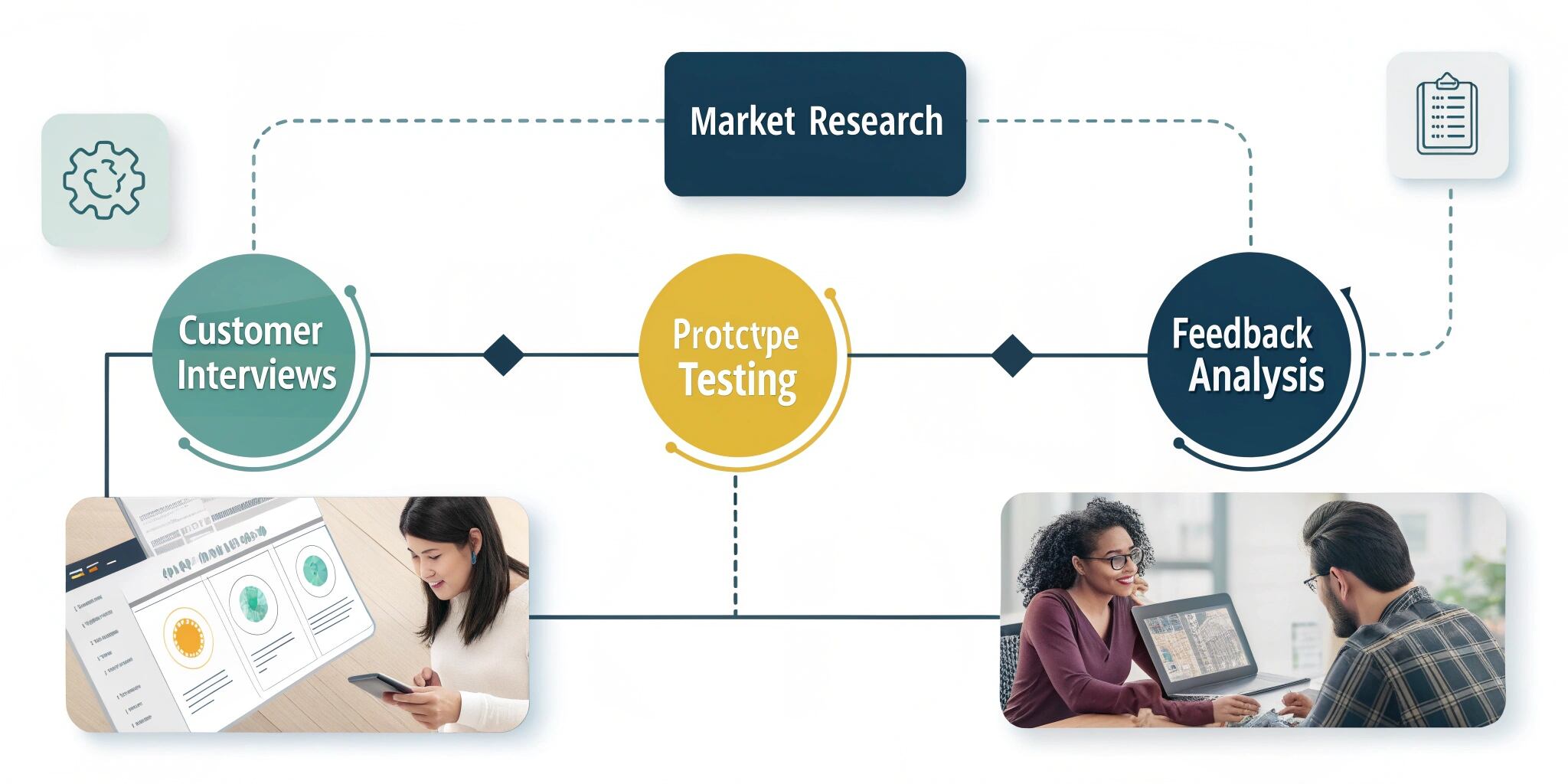
3. Conduct Market Research
- Check if the problem is common on platforms like Google Trends or Product Hunt.
- Identify competitors. If none exist, be cautious — it might mean no demand.
- Analyze what similar products do well (or poorly).
4. Build a Landing Page (No Code Needed)
Create a simple landing page with:
- A clear headline
- Explanation of your value proposition
- An email signup form
Tools: Carrd, Webflow, or Framer (no-code builders)
Drive traffic via:
- LinkedIn posts
- Twitter threads
- Reddit communities
- Paid ads (small budget)
Track interest via signups or clicks.
5. Talk to Real Potential Users
Conduct 10–20 real interviews. Focus on:
- Their current pain points
- Their interest in your solution
- Willingness to pay
Don't pitch — just listen and learn.
6. Launch an MVP Survey or Pre-Sell
- Create a Google Form asking what features they want.
- Offer early bird pricing for people who commit.
- Use platforms like Gumroad or LemonSqueezy for digital pre-orders.
Getting people to pay — even $1 — is a strong validation signal.
7. Use Validation Metrics
Measure:
- Conversion rate on your landing page
- Number of email signups
- Open rates of follow-up emails
- Willingness to pay or pre-order
These numbers tell you if your idea has traction before you code.
Conclusion: Build Smart, Not First
The best tech products are built on validated ideas. Spending a few weeks testing your concept can save you from months of coding the wrong thing. Validate first — build after.