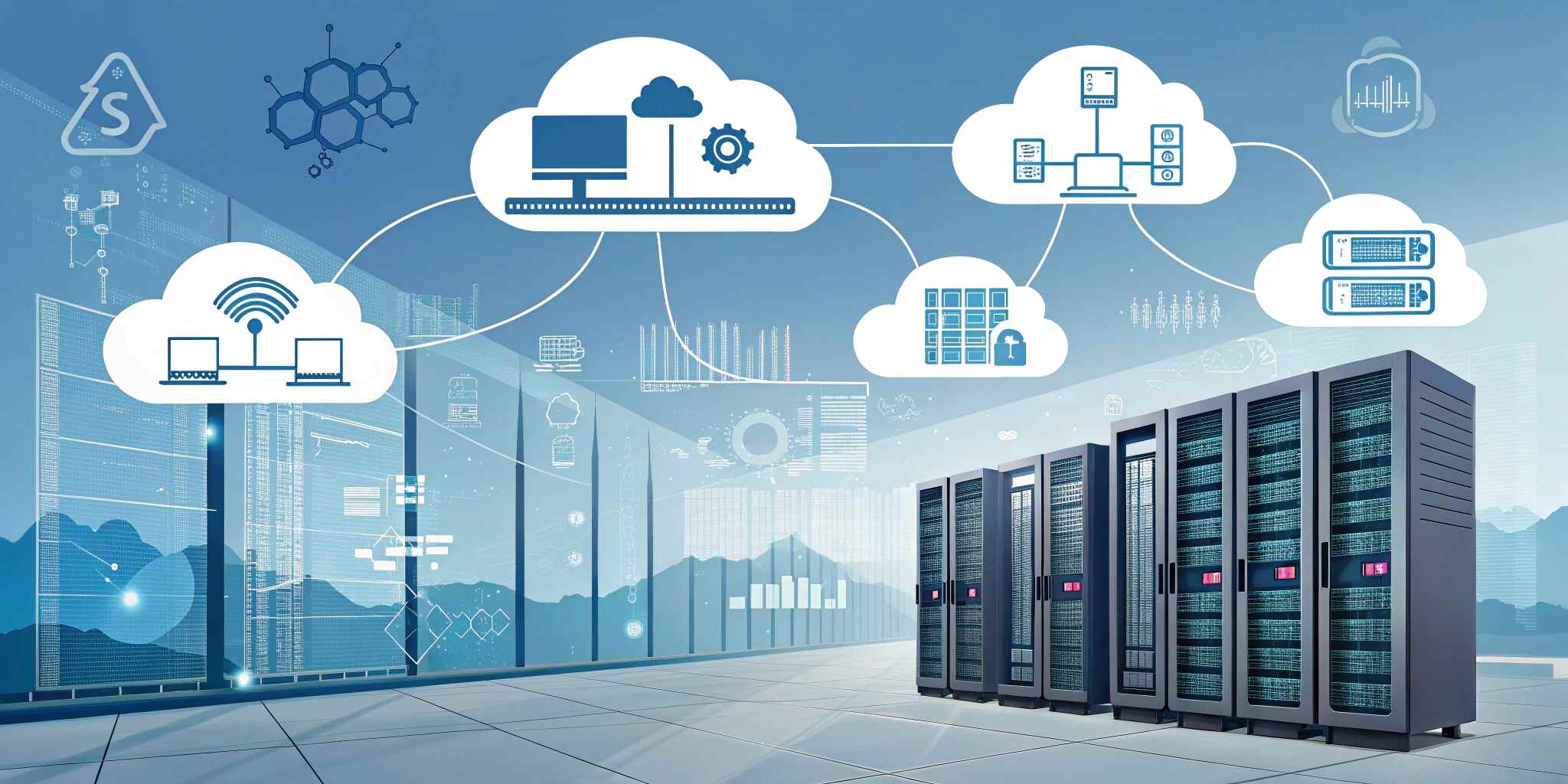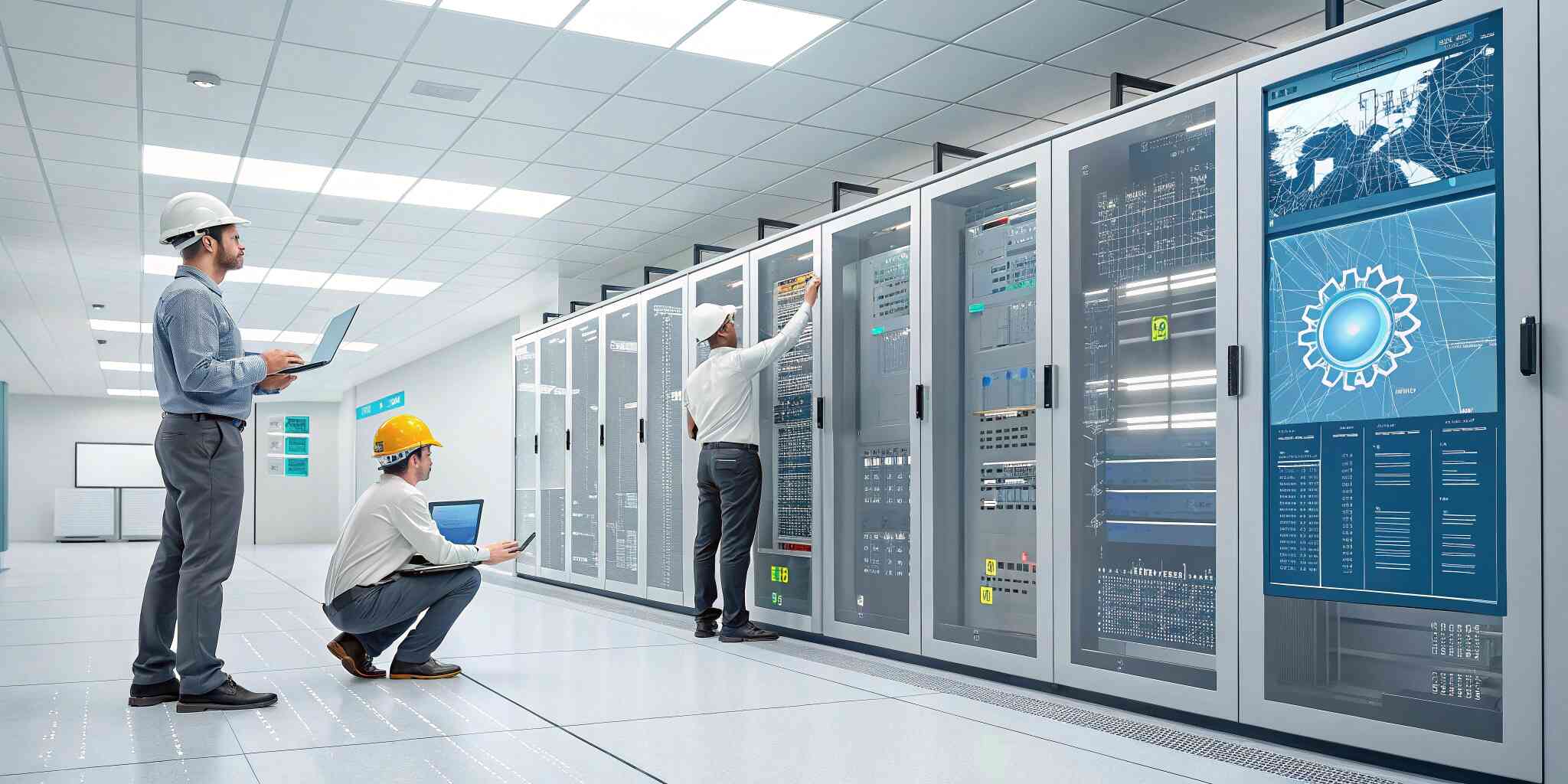
In the ever-evolving world of technology, IT infrastructure management is the foundation that keeps businesses running seamlessly. From data centers and servers to networks and cloud systems, maintaining these assets is essential to ensure business continuity.
Traditionally, IT maintenance has been reactive — fixing issues only after they cause downtime or disruption. However, with the rise of predictive maintenance, powered by Artificial Intelligence (AI) and data analytics, organizations can now anticipate failures before they happen.
This shift from reactive to predictive maintenance is revolutionizing how IT infrastructure is monitored, maintained, and optimized.
1. What is Predictive Maintenance?
Predictive maintenance refers to the use of data analytics, AI, and machine learning to monitor IT systems continuously and predict potential failures before they occur.
Instead of relying on scheduled or emergency repairs, predictive systems use real-time data from sensors, performance logs, and network activities to detect anomalies early.
For IT companies, this means fewer disruptions, faster issue resolution, and improved efficiency — all while lowering maintenance costs.
2. From Reactive to Proactive IT Management
Traditional IT maintenance models often follow a break-fix approach, meaning action is taken only when a problem arises. While effective in the short term, this approach can lead to costly downtime, data loss, and decreased productivity.
Predictive maintenance transforms this model by using predictive analytics and AI-driven insights to identify warning signs in advance.
For example, AI algorithms can analyze CPU performance, memory usage, or network latency and alert administrators before a system crash occurs. This proactive approach allows IT teams to take preventive action and avoid potential disruptions.
3. The Role of AI and Machine Learning
AI and Machine Learning (ML) play a critical role in predictive maintenance by analyzing massive amounts of IT data to identify hidden patterns and trends.
Machine learning models can:
- Detect unusual system behavior or performance drops.
- Predict component failure based on historical data.
- Recommend the best time for maintenance or upgrades.
These intelligent systems learn continuously, improving their accuracy with each data cycle. The result is smarter IT infrastructure management, where decisions are driven by insights, not assumptions.
4. Benefits of Predictive Maintenance in IT
Predictive maintenance offers multiple benefits that make it essential for modern IT infrastructure management:
- Reduced Downtime: Predicting failures allows IT teams to address issues before they disrupt operations.
- Cost Efficiency: Preventing outages and equipment damage saves significant repair and replacement costs.
- Improved Asset Lifespan: Regular monitoring ensures that hardware and systems run efficiently for longer periods.
- Enhanced Security: Continuous data monitoring helps identify unusual network activity or cyber threats early.
- Optimized Resource Utilization: Maintenance can be scheduled at optimal times, ensuring minimal disruption.
Ultimately, predictive maintenance aligns IT operations with business goals by promoting efficiency, continuity, and reliability.
5. Real-Time Monitoring and Automated Alerts
A key feature of predictive maintenance is real-time monitoring. Through tools integrated with AI and IoT sensors, IT administrators receive automated alerts when performance metrics deviate from the norm.
For example, if a server’s temperature rises or a network link slows down, predictive systems immediately notify the team, suggesting preventive measures.
This automation minimizes manual oversight and ensures instant awareness and response to potential threats or system inefficiencies.
6. Data-Driven Insights for Smarter Decisions
Predictive maintenance also provides IT leaders with data-driven insights for long-term planning. By analyzing system performance over time, organizations can:
- Identify recurring infrastructure bottlenecks.
- Forecast hardware replacement timelines.
- Optimize resource allocation for future scalability.
These insights enable better decision-making and strategic planning, helping companies maintain robust IT ecosystems.
7. Integration with Cloud and Hybrid Systems
As more businesses migrate to cloud or hybrid infrastructure, predictive maintenance has become even more vital. Cloud monitoring tools equipped with predictive analytics can oversee distributed systems, detect inefficiencies, and automatically adjust resources.
For hybrid setups, predictive models synchronize on-premises and cloud data, ensuring consistent performance across environments. This integration enhances visibility and control over complex IT ecosystems.
8. The Future of Predictive Maintenance in IT
The future of IT infrastructure management lies in fully autonomous maintenance systems, where AI doesn’t just predict but also automatically resolves issues.
Emerging technologies like AIOps (Artificial Intelligence for IT Operations) and Digital Twins are taking predictive maintenance to new heights. They enable real-time simulation, automated troubleshooting, and continuous optimization of IT systems.
As predictive maintenance evolves, IT companies will enjoy higher uptime, lower costs, and stronger system resilience — key components for staying competitive in a digital-first world.
Conclusion
Predictive maintenance is more than a technological upgrade — it’s a strategic advantage for IT businesses. By combining AI, analytics, and automation, it transforms infrastructure management from reactive to proactive, ensuring reliability, security, and performance.
In a world where downtime equals lost opportunities, predictive maintenance empowers IT companies to stay one step ahead — maintaining systems not just for today, but for the challenges of tomorrow.