Main Content
The evolution of web development has shifted from monolithic systems to flexible, API-driven architectures. One of the most impactful changes in this space is the combination of Headless WordPress and JAMstack architecture. Together, they empower developers and businesses to build high-performance, secure, and scalable websites that meet modern user expectations.
What Is Headless WordPress?
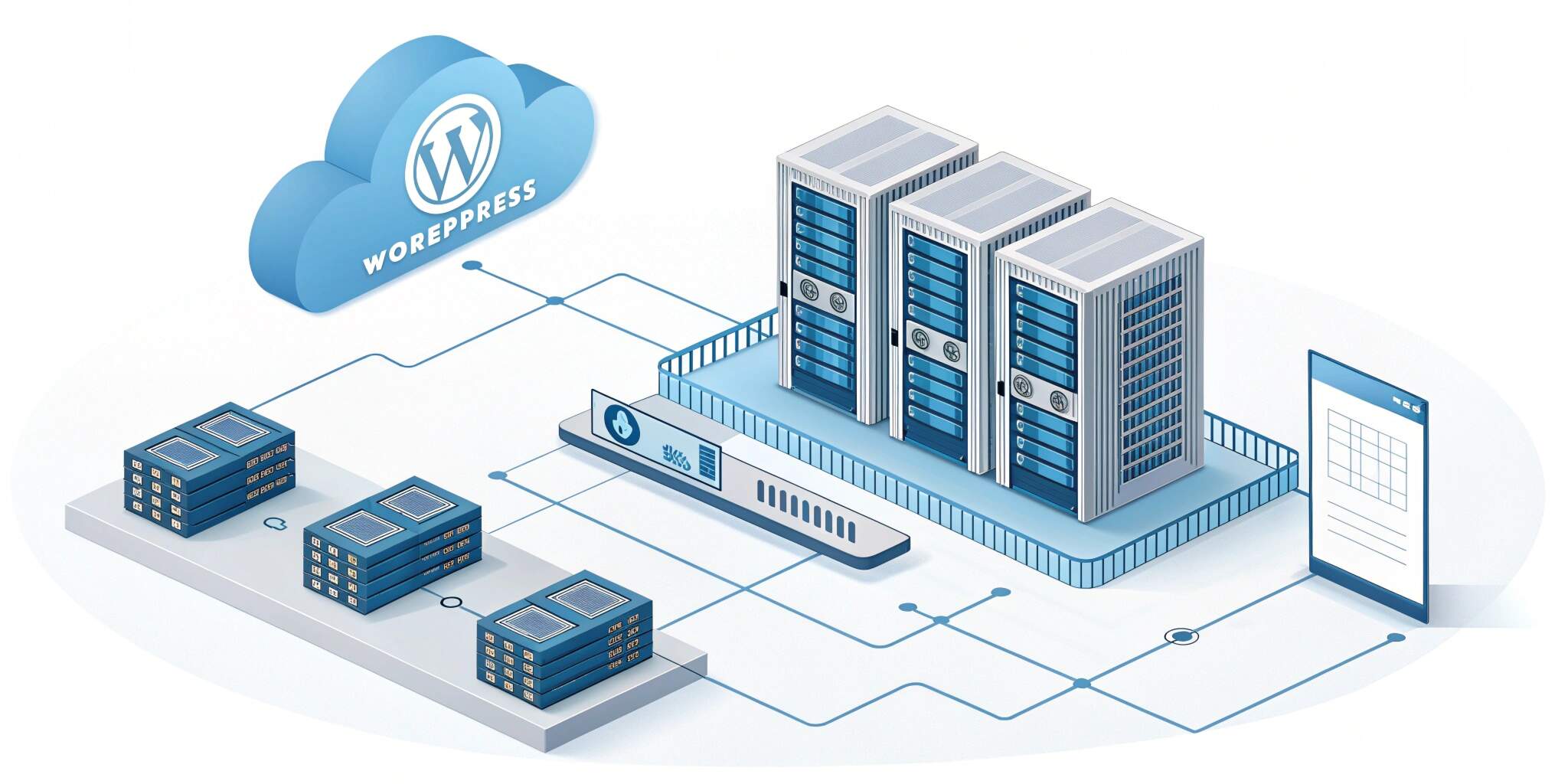
Traditional WordPress tightly couples the frontend (themes) and backend (content management). Headless WordPress removes this dependency by using WordPress solely as a content management system (CMS). Content is delivered through APIs such as the WordPress REST API or GraphQL (WPGraphQL), while the frontend is built using modern JavaScript frameworks.
This decoupled approach gives developers full control over the frontend while retaining WordPress’s powerful content authoring capabilities.
Understanding JAMstack Architecture
JAMstack stands for JavaScript, APIs, and Markup. It is an architectural approach rather than a specific technology stack.
- JavaScript handles dynamic functionality
- APIs manage server-side operations
- Markup is prebuilt and served via CDNs
By serving pre-rendered pages and relying on APIs, JAMstack sites are faster, more secure, and easier to scale compared to traditional server-rendered websites.
How Headless WordPress Fits into JAMstack
In a JAMstack setup, WordPress acts as the API-driven content source, while frameworks like Next.js, Gatsby, Nuxt, or Astro generate static or hybrid pages. Content editors continue using WordPress, while developers build modern frontends that consume WordPress data via APIs.
This separation creates a best-of-both-worlds solution: editorial familiarity with cutting-edge frontend performance.
Key Benefits of Headless WordPress & JAMstack
1. Superior Performance
Static pages served through CDNs load significantly faster than traditional WordPress sites. Faster load times improve SEO, reduce bounce rates, and enhance user experience.
2. Enhanced Security
Decoupling reduces the attack surface. Since WordPress is not directly exposed to users, common vulnerabilities such as theme-based exploits are minimized.
3. Scalability & Reliability
JAMstack sites scale effortlessly because they rely on CDN delivery rather than server resources. Traffic spikes are handled smoothly without performance degradation.
4. Frontend Flexibility
Developers can choose any frontend framework without being constrained by WordPress themes. This allows highly customized UI/UX designs and app-like experiences.
5. Omnichannel Content Delivery
Headless WordPress content can be reused across websites, mobile apps, IoT devices, and digital kiosks using the same APIs.
Popular Tools & Technologies
- Frontend Frameworks: Next.js, Gatsby, Nuxt, Astro
- APIs: WordPress REST API, WPGraphQL
- Hosting Platforms: Vercel, Netlify, Cloudflare Pages
- Static Site Generators: Gatsby, Hugo, Eleventy
These tools make development faster while maintaining enterprise-level performance.
Use Cases
- High-traffic marketing websites
- Enterprise content platforms
- SaaS landing pages
- E-commerce storefronts
- Multilingual and multi-brand websites
For organizations focused on performance and scalability, Headless WordPress with JAMstack is a strong long-term investment.
Challenges to Consider
While powerful, this architecture requires advanced development expertise. Features like previews, authentication, and dynamic forms need additional configuration. However, the benefits often outweigh the complexity for growing businesses.
The Future of WordPress Development
As digital experiences demand speed, flexibility, and scalability, Headless WordPress and JAMstack architecture are becoming mainstream. They align perfectly with modern development practices and evolving user expectations, making them a future-proof choice for businesses embracing digital transformation.