In today’s digital-first world, enterprises require content management systems (CMS) that are agile, scalable, and capable of supporting omnichannel experiences. Traditional CMS platforms often fall short due to rigid structures, limited integration capabilities, and scalability challenges. Enter the Headless CMS—a modern, API-first approach that separates content from presentation.
This blog explores why enterprises are increasingly adopting headless CMS solutions and how this shift is redefining digital experiences.
1. What Is a Headless CMS?
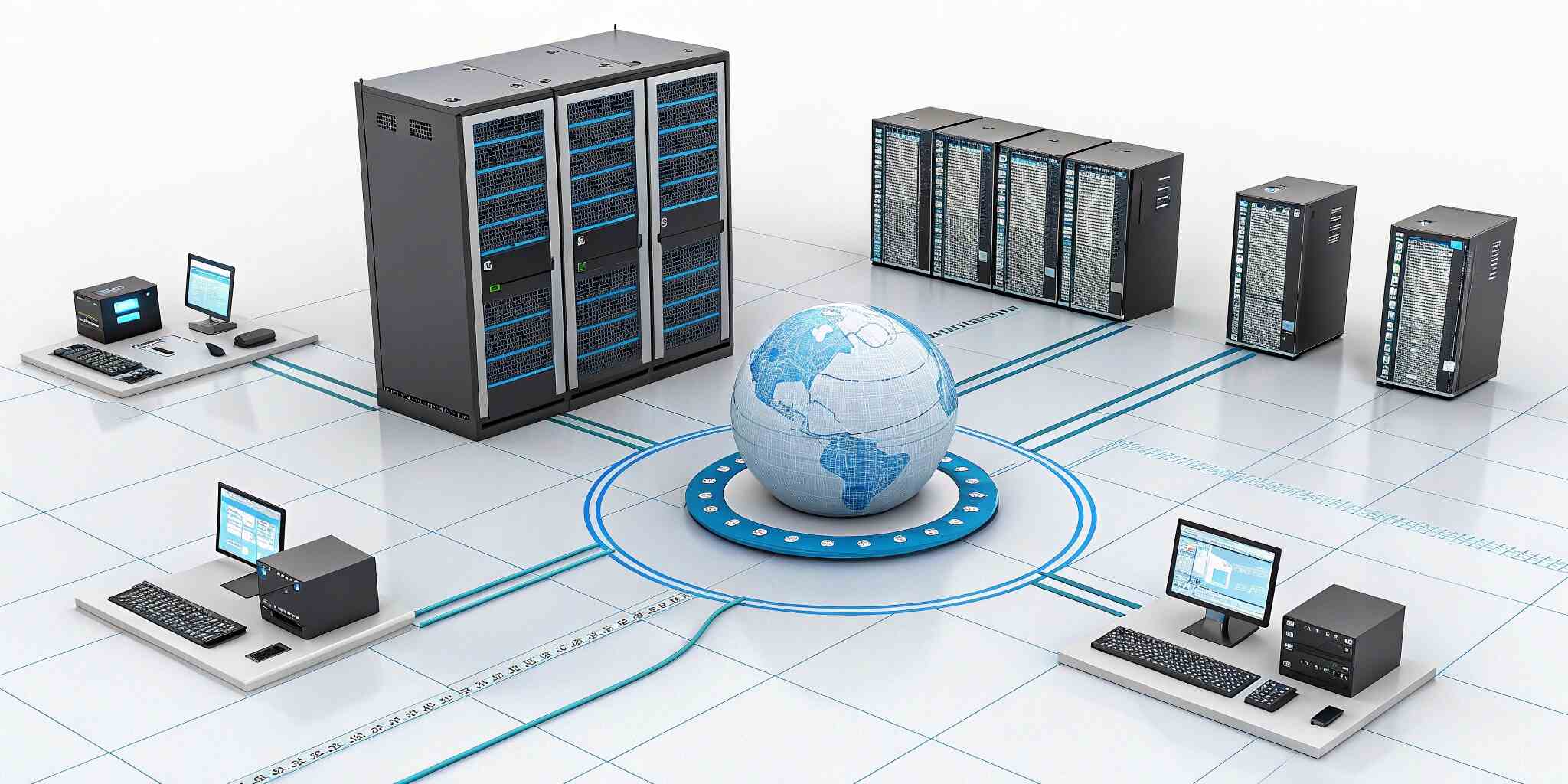
A headless CMS is a decoupled content management system where the “head” (front-end presentation layer) is separated from the “body” (back-end content repository). Content is stored centrally and delivered through APIs, allowing enterprises to publish it across multiple platforms—websites, apps, IoT devices, and even AR/VR experiences.
Unlike traditional CMS, which ties content to specific templates, headless CMS provides freedom and flexibility for developers and marketers.
2. The Limitations of Traditional CMS
Traditional CMS platforms like WordPress or Drupal, while popular, come with inherent limitations for modern enterprises:
- Rigid Structures: Content and design are tightly coupled, restricting flexibility.
- Limited Omnichannel Support: Harder to deliver content consistently across web, mobile, and emerging channels.
- Scalability Issues: Struggles to handle high traffic or complex enterprise needs.
- Integration Challenges: Difficult to connect with advanced technologies like AI, personalization engines, or IoT.
These challenges push enterprises toward more dynamic and scalable alternatives.
3. Why Enterprises Are Switching to Headless CMS
The migration to headless CMS is driven by several advantages:
- Omnichannel Delivery: Content can seamlessly be distributed across websites, mobile apps, chatbots, wearables, and more.
- Scalability and Performance: API-first architecture enables faster load times and better performance under heavy traffic.
- Developer Freedom: Developers can use any front-end framework (React, Angular, Vue, etc.) while connecting to the same content repository.
- Future-Proofing: Enterprises can adapt to new platforms and channels without overhauling the CMS.
- Personalization: Integration with AI and analytics tools helps deliver tailored content experiences.
This flexibility makes headless CMS an ideal choice for enterprises managing large-scale content strategies.
4. Real-World Use Cases
Many leading enterprises have already adopted headless CMS for digital transformation:
- E-commerce Brands: Deliver personalized product content across websites, apps, and marketplaces.
- Media Companies: Distribute real-time news and multimedia across channels with minimal delay.
- Healthcare and Finance: Provide secure, compliant, and scalable content experiences for customers.
These examples highlight how headless CMS adapts to different industries with ease.
5. Challenges of Headless CMS Adoption
While beneficial, headless CMS adoption comes with its challenges:
- Learning Curve: Requires technical expertise and developer resources.
- Cost Considerations: Initial setup may be higher compared to traditional CMS.
- Complexity: Marketing teams may require training to work with API-driven tools.
Enterprises must carefully evaluate vendors, implementation strategies, and team readiness before making the switch.
6. The Future of Content Management
Headless CMS is more than a trend—it represents the future of enterprise content management. As businesses expand into metaverse platforms, voice assistants, and IoT ecosystems, headless solutions will be essential to deliver consistent, engaging, and future-ready experiences.
By adopting headless CMS, enterprises not only improve content flexibility and scalability but also position themselves at the forefront of digital transformation.
Conclusion
Headless CMS is revolutionizing how enterprises approach content management. Its flexibility, scalability, and omnichannel capabilities make it a powerful solution for today’s fast-evolving digital landscape.
For enterprises aiming to stay competitive, switching to headless CMS isn’t just an option—it’s a necessity.