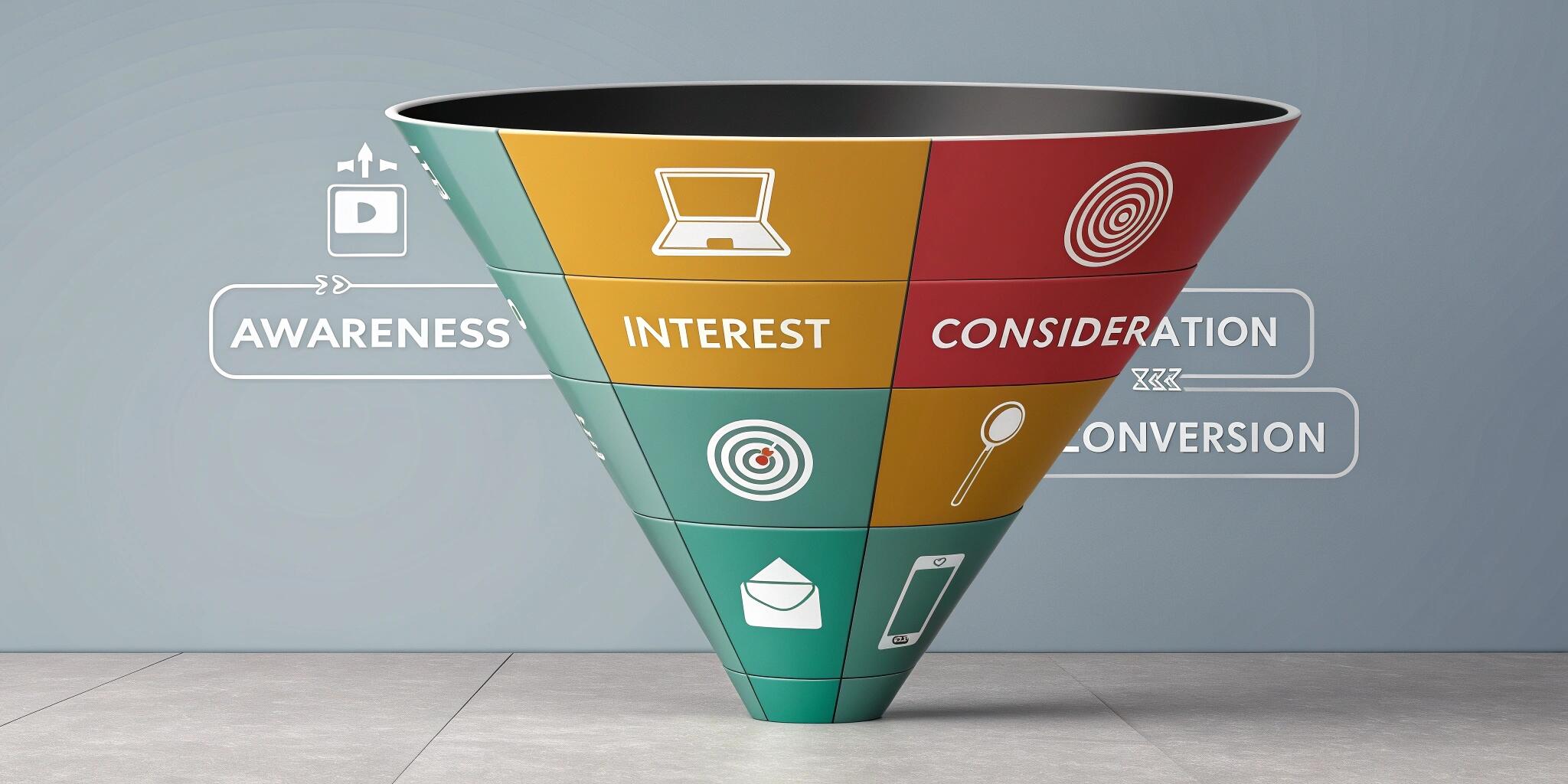
In a competitive, fast-evolving tech landscape, IT companies must go beyond simply having a digital presence. Success requires building a structured marketing funnel that guides prospects through their decision-making journey—from awareness to conversion.
Let’s break down how to build and execute a successful IT marketing funnel that drives measurable business growth.
What Is a Marketing Funnel in IT?
A marketing funnel is a step-by-step model that maps the customer journey—from first discovery to final decision. It typically consists of:
- Top of Funnel (TOFU): Awareness
- Middle of Funnel (MOFU): Consideration
- Bottom of Funnel (BOFU): Conversion
Each stage requires different content, tools, and tactics.
Top of Funnel (Awareness): Building Visibility
This is where prospects first discover your IT brand—often when they’re researching a problem or exploring solutions.
Goals:
- Drive traffic
- Increase brand visibility
- Educate your audience
Effective Strategies:
- SEO-optimized blog posts (e.g., “Top Cybersecurity Challenges in 2025”)
- Social media content focused on industry trends
- Educational videos or infographics
- Paid ads targeting broad keywords
Best Channels:
Google Search, LinkedIn, YouTube, industry publications
Middle of Funnel (Consideration): Building Trust
At this stage, your leads know who you are. Now they’re evaluating whether you’re the right fit.
Goals:
- Build credibility
- Generate leads
- Engage users further
Effective Strategies:
- Gated content: whitepapers, eBooks, webinars
- Case studies and testimonials
- Comparison guides (e.g., “AWS vs Azure for Enterprises”)
- Email drip campaigns
Best Channels:
LinkedIn Ads, email marketing, webinars, re targeting
Bottom of Funnel (Conversion): Driving Action
This is where high-intent leads decide whether to work with you. Your job is to give them the confidence to say “yes.”
Goals:
- Convert leads to customers
- Close deals
Effective Strategies:
- Personalized product demos
- Free trials or assessments
- Strong CTAs on landing pages
- ROI calculators or success metrics
- Sales enablement content (solution briefs, pricing FAQs)
Best Channels:
Email, direct outreach, landing pages, sales calls
Optimizing the Funnel
- Track Funnel Metrics: Use tools like Google Analytics, HubSpot, and CRM platforms to track drop-offs and optimize touchpoints.
- Repurpose Content Across Stages: Turn webinars into blog posts, eBooks into email series, etc.
- Align Marketing & Sales Teams: Ensure consistent messaging and seamless handoff from MQL (Marketing Qualified Lead) to SQL (Sales Qualified Lead).
- Use Automation Tools: Platforms like Marketo, Pardot, and ActiveCampaign can help automate nurture flows and score leads.
Conclusion:
An effective IT marketing funnel doesn’t just generate leads—it builds relationships, delivers value at every stage, and helps convert cold prospects into loyal customers. By understanding your audience and delivering targeted, stage-specific content, you turn awareness into action and insight into income.