In today’s gaming landscape, developers face one of the most crucial strategic choices — whether to design their game as Free-to-Play (F2P) or Premium. Both monetization models have proven successful, yet each comes with its own challenges in balancing profitability, accessibility, and player satisfaction. With an increasingly competitive market and changing player expectations, understanding the nuances of these models is vital to a game’s long-term success.
The Free-to-Play Model: Accessibility Meets Scale
Free-to-Play (F2P) games have dominated the gaming industry in recent years, particularly in mobile and live-service segments. The concept is simple — players can download and play the game for free, while developers earn revenue through microtransactions, ads, and in-app purchases.
This model thrives on mass adoption. By lowering the entry barrier to zero, it attracts millions of players quickly. Games like Fortnite, Genshin Impact, and Clash of Clans exemplify this success. However, sustaining engagement and monetization requires a careful balance between fairness and profitability.
Developers often use cosmetic upgrades, battle passes, and time-saving purchases to generate income without disrupting gameplay balance. The key lies in maintaining player trust — ensuring that spending enhances enjoyment rather than feeling mandatory.
The F2P model also relies heavily on data analytics. By tracking player behavior, developers can adjust content updates, difficulty levels, and promotions to maximize engagement and spending potential.
The Premium Model: Quality and Direct Value
The Premium model, on the other hand, involves charging players a one-time fee to access the full game — traditionally the dominant approach in PC and console gaming. Examples like Elden Ring, God of War, and The Witcher 3 demonstrate how this model emphasizes content quality, storytelling, and player experience.
Players appreciate the clarity and predictability of Premium games. They pay upfront, receive a complete experience, and avoid the microtransaction fatigue that often plagues free-to-play ecosystems. For developers, this ensures an immediate revenue stream upon launch and aligns incentives toward delivering a polished, self-contained product.
However, the downside is limited scalability. Since users must pay upfront, player acquisition can be slower, and marketing costs are typically higher. In a crowded digital marketplace, convincing players to invest before trying the product can be a major challenge.
Hybrid and Subscription Models: The Best of Both Worlds
Many developers today are embracing hybrid monetization — combining the strengths of both models. For example, offering a free trial with optional premium upgrades or subscription-based access. Services like Xbox Game Pass, Apple Arcade, and PlayStation Plus have reshaped how players consume games by providing affordable access to large libraries.
These models promote steady recurring revenue while keeping player satisfaction high. They also create opportunities for smaller studios to reach new audiences without relying entirely on upfront sales or aggressive microtransactions.
Comparing the Two Models: Key Factors
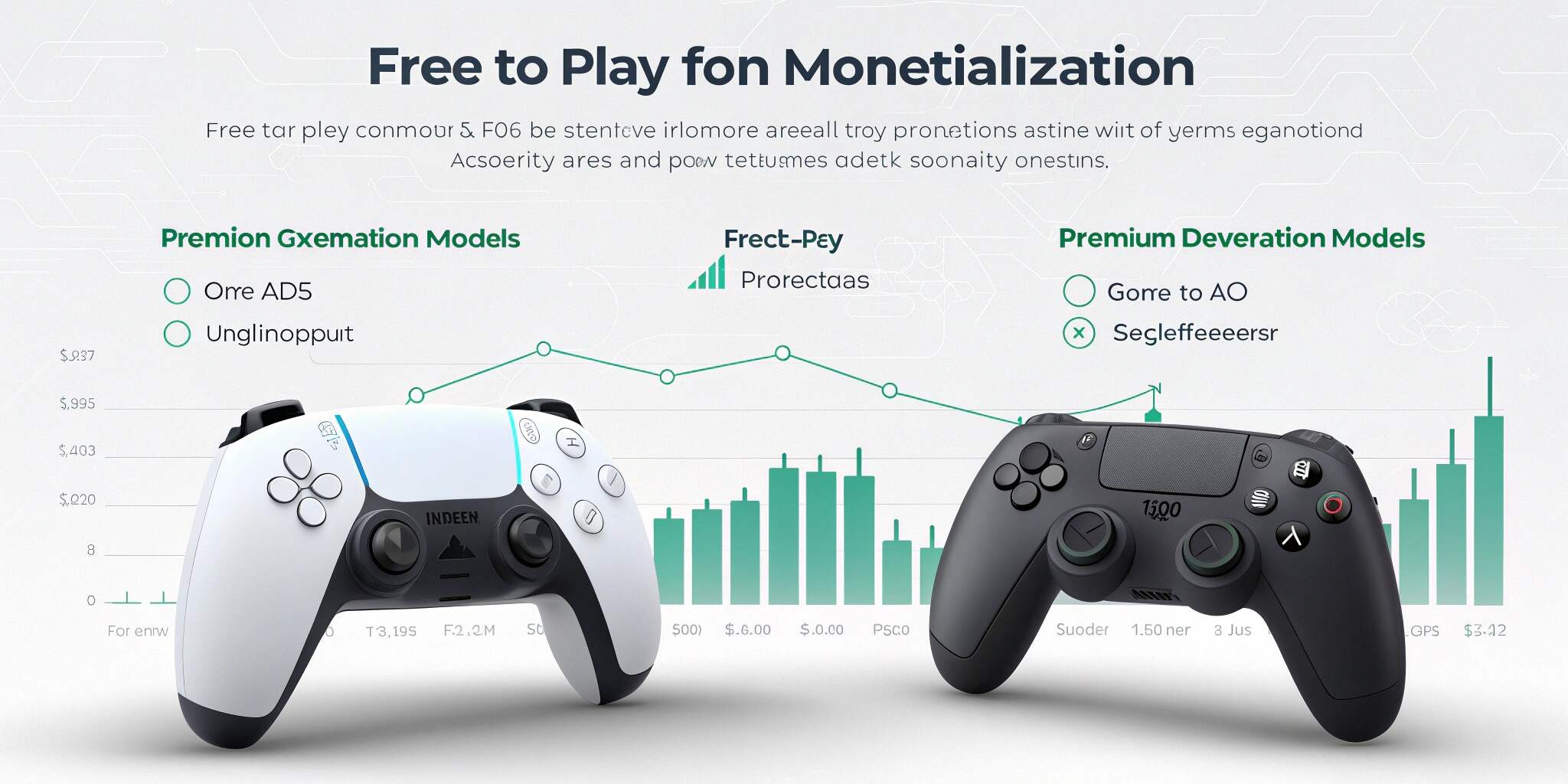
AspectFree-to-Play (F2P)PremiumAccessibilityHigh — Free to enterModerate — Paywall upfrontRevenue SourceMicrotransactions, adsOne-time purchasePlayer RetentionContinuous engagement via updatesLong-term engagement via content depthMarketing NeedViral growth, community-drivenStrong pre-launch campaignsRisk FactorMonetization backlashSlower adoption rateIdeal ForMobile, live-service, multiplayerStory-driven, single-player, indie titles
Choosing the Right Model
The right choice depends on a developer’s target audience, budget, and long-term goals.
- Indie developers may favor premium for simplicity and creative control.
- Mobile studios often prefer F2P for scalability and recurring income.
- AAA studios might blend both with live-service models or DLC expansions.
Ultimately, success hinges on player experience. A monetization strategy should never compromise the fun or fairness of gameplay. Transparency, ethical design, and value-driven content determine whether players stay loyal or move on.
Conclusion
The debate between Free-to-Play vs Premium is not about superiority but suitability. Both models can thrive when executed with care and a deep understanding of the audience. As the industry evolves, hybrid and subscription-based approaches will continue to redefine how games generate revenue — emphasizing long-term relationships over short-term profit.
For developers, the future lies in monetization with meaning — creating games that respect players’ time, offer genuine value, and sustain creative ecosystems for years to come.