Introduction
Modern web applications demand lightning-fast performance, seamless user experience, and global scalability. Traditional centralized server architectures often struggle to meet these requirements due to latency, bandwidth limitations, and geographical distance from users.
This is where Edge-Native Web Application Architecture comes into play. By moving application logic closer to the user through distributed edge infrastructure, organizations can dramatically improve performance and reliability.
Edge-native systems leverage edge computing, serverless functions, distributed databases, and intelligent caching to deliver applications at unprecedented speeds.
What is Edge-Native Web Application Architecture?
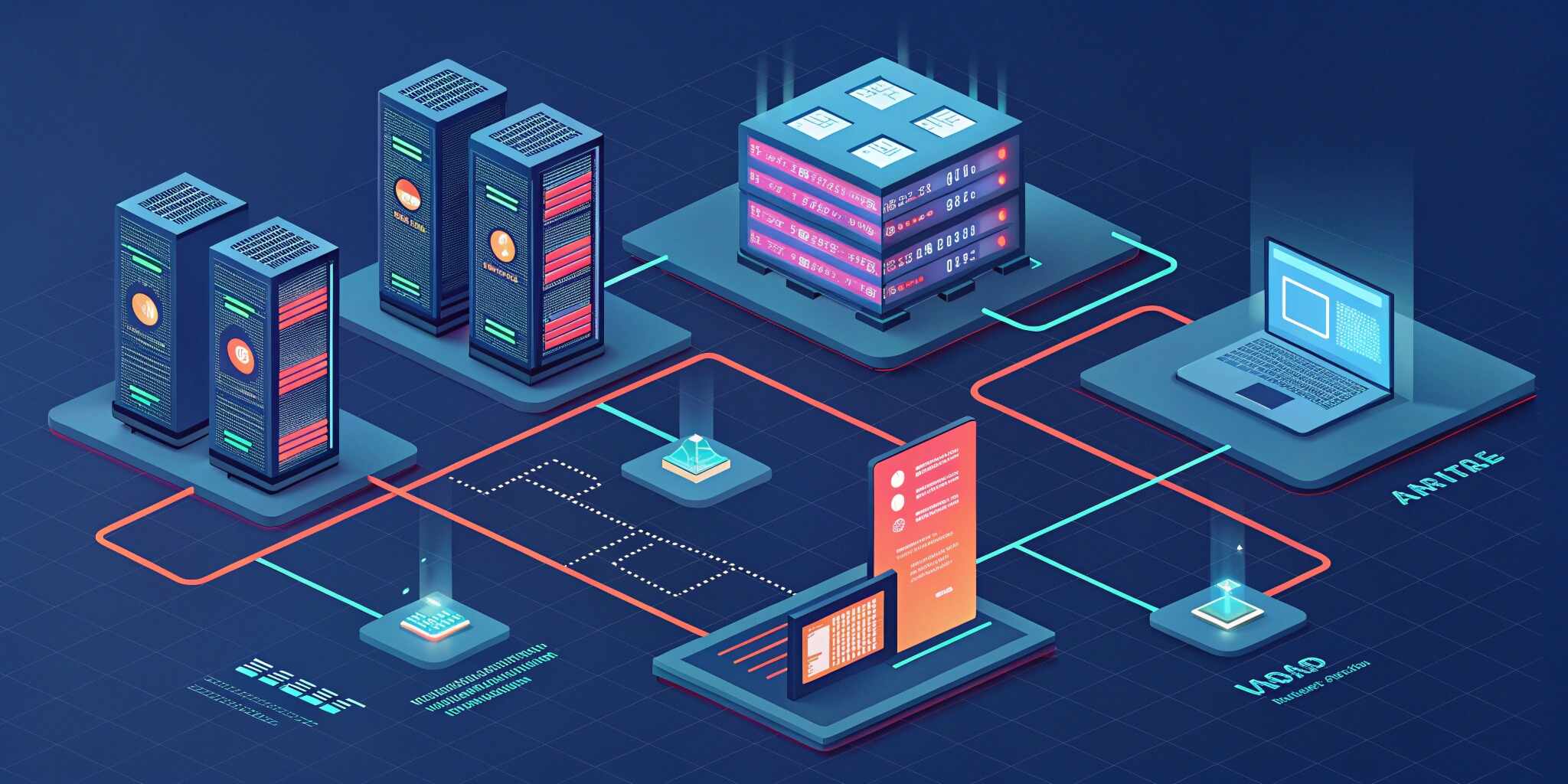
Edge-Native Web Application Architecture refers to designing applications that run core functionality on edge computing nodes rather than relying solely on centralized cloud servers.
Edge nodes are distributed across the globe and located closer to end users. Instead of sending every request to a central server, applications process data at the nearest edge location.
This architecture typically includes:
- Edge compute functions
- Global Content Delivery Networks (CDNs)
- Distributed databases
- Intelligent caching layers
- Serverless runtime environments
By processing requests locally at edge nodes, applications reduce latency and improve response times.
Key Components of Edge-Native Architecture
1. Edge Compute
Edge compute allows developers to execute application logic at distributed edge nodes. Platforms like Cloudflare Workers, Vercel Edge Functions, and AWS Lambda@Edge enable developers to run lightweight code close to users.
Common use cases include:
- Authentication processing
- API routing
- Content personalization
- A/B testing
- Request filtering
2. Global Content Delivery Networks (CDNs)
CDNs cache static assets such as images, JavaScript files, and stylesheets at edge locations worldwide.
Benefits include:
- Faster content delivery
- Reduced origin server load
- Improved website performance
- Better availability during traffic spikes
Modern CDNs also support dynamic application logic, enabling them to act as edge computing platforms.
3. Distributed Data Systems
One challenge in edge computing is managing data across multiple locations. Distributed databases help solve this by synchronizing data globally.
Examples include:
- Globally replicated databases
- Edge-optimized key-value stores
- Distributed caching systems
These systems allow applications to access data quickly regardless of user location.
4. Serverless Infrastructure
Edge-native systems heavily rely on serverless computing, where developers deploy functions without managing infrastructure.
Advantages include:
- Automatic scaling
- Reduced operational complexity
- Lower infrastructure costs
- Faster deployment cycles
Serverless functions at the edge allow applications to respond instantly to user requests.
Benefits of Edge-Native Web Architecture
1. Ultra-Low Latency
Processing requests near the user dramatically reduces latency. This results in faster page loads, quicker API responses, and smoother user experiences.
2. Improved Scalability
Edge platforms automatically scale based on traffic demands. Applications can handle millions of concurrent users without performance degradation.
3. Better Reliability
Distributed infrastructure improves system resilience. If one edge node fails, requests are automatically routed to the next available location.
4. Enhanced Security
Edge networks can filter malicious traffic before it reaches the main application servers. Security mechanisms such as Web Application Firewalls (WAF) and bot detection can run directly at the edge.
5. Cost Optimization
By caching content and executing logic closer to users, edge-native architectures reduce the load on centralized servers, lowering infrastructure costs.
Use Cases of Edge-Native Applications
Edge-native architecture is becoming essential across multiple industries.
E-Commerce Platforms
Online stores benefit from edge computing by delivering faster product pages, localized pricing, and real-time recommendations.
Streaming Platforms
Video streaming services use edge nodes to reduce buffering and deliver content smoothly worldwide.
SaaS Applications
Software platforms can use edge infrastructure to improve API performance and reduce latency for global users.
Gaming Applications
Online games rely on low latency to ensure smooth gameplay and real-time synchronization between players.
Challenges in Edge-Native Development
While edge architecture offers numerous benefits, it also introduces certain challenges.
Data Consistency
Maintaining consistent data across globally distributed nodes can be complex.
Debugging Complexity
Debugging applications running across multiple edge nodes requires specialized monitoring tools.
Vendor Lock-in
Some edge platforms use proprietary runtimes that make it difficult to migrate applications later.
Limited Execution Environments
Edge functions often have execution time limits and restricted runtime environments compared to full cloud servers.
Future of Edge-Native Web Applications
Edge computing is rapidly becoming a key component of modern web architecture. As technologies evolve, we will see:
- More powerful edge compute capabilities
- Globally distributed databases
- AI-powered edge processing
- Real-time analytics at the edge
- Integration with 5G and IoT systems
Companies building large-scale digital platforms are increasingly adopting edge-native designs to deliver faster and more reliable services worldwide.
Conclusion
Edge-Native Web Application Architecture represents the next evolution of modern web development. By moving application logic closer to users through distributed edge infrastructure, organizations can achieve faster performance, improved scalability, and better user experiences.
As internet applications continue to grow globally, adopting edge-native strategies will become essential for businesses aiming to build high-performance digital platforms.