Cloud gaming has rapidly evolved from a futuristic concept into a mainstream reality, with major platforms like NVIDIA GeForce NOW, Xbox Cloud Gaming, and PlayStation’s streaming services reshaping how players access games. But even with powerful cloud servers and high-speed internet, one major barrier continues to limit cloud gaming’s potential: latency. For fast-paced games—shooters, racing titles, competitive multiplayer experiences—even a slight delay can dramatically impact gameplay. This is where edge computing emerges as a transformative solution, enabling ultra-low latency gaming by bringing computational power closer to the player.
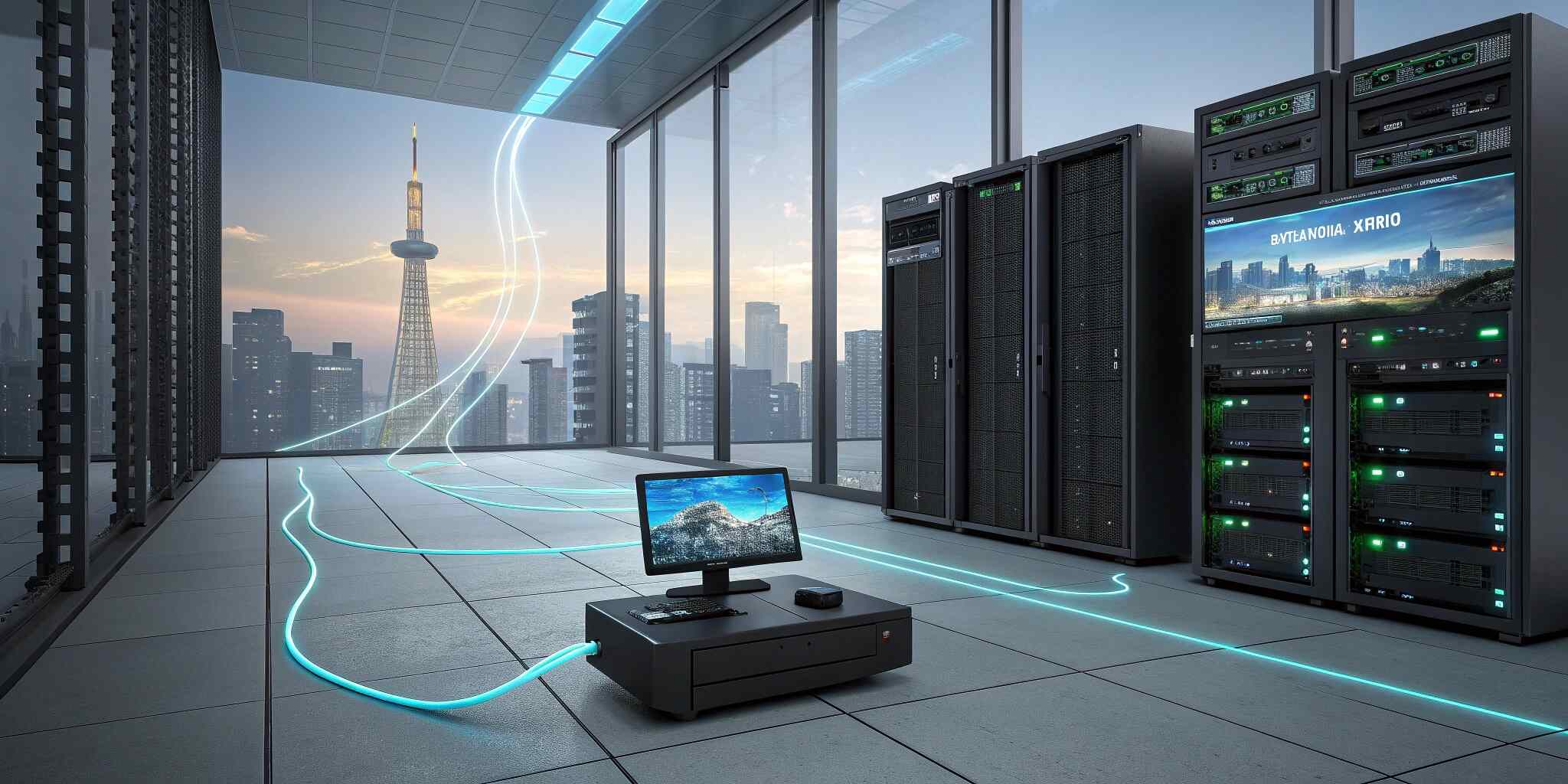
Edge computing shifts processing away from centralized cloud data centers and distributes it across smaller, geographically closer servers known as edge nodes. Instead of having data travel hundreds or thousands of kilometers to a distant cloud server, player inputs and render requests are handled much closer to their physical location. This drastically cuts down the round-trip time, making cloud gaming feel more responsive and fluid.
One of the primary advantages of edge computing in cloud gaming is its ability to reduce input lag. In traditional cloud gaming environments, a player’s actions—such as moving a character or firing a weapon—must be processed in a distant server before the results are streamed back. Even the fastest networks cannot eliminate the inherent delays caused by physical distance. Edge nodes reduce this distance significantly, bringing processing power within the player’s regional network zone. As a result, gamers experience faster reactions, smoother gameplay, and near-instant responsiveness, even in high-stakes competitive environments.
Another benefit of edge-based architectures is the improvement in network stability. Instead of routing all traffic through centralized data hubs, edge networks distribute the load across multiple localized servers. This minimizes congestion, reduces packet loss, and ensures consistent quality for players during peak hours. For cloud gaming platforms, this distributed load balancing helps maintain service quality, even when millions of users are playing simultaneously across different regions.
Edge computing also plays a crucial role in enabling real-time rendering and advanced visual fidelity. Many cloud gaming services rely on powerful GPUs and rendering clusters to deliver high-quality graphics. However, streaming these visuals to users requires low latency and high bandwidth. Edge nodes help manage rendering workloads more efficiently by performing pre-processing, compression, and decoding tasks nearer to the player. This allows cloud gaming platforms to offer 4K and potentially 8K streaming with reduced lag, creating a more immersive experience.
The rise of 5G networks further strengthens the role of edge computing in gaming. 5G’s architecture inherently supports edge deployments through Mobile Edge Computing (MEC), enabling telcos to place servers near cellular towers or within regional hubs. When combined with 5G’s high throughput and ultra-reliable low latency capabilities, edge computing creates an environment where cloud gaming can rival or even surpass traditional console performance. For mobile gamers especially, the combination of 5G and edge computing unlocks seamless, console-quality experiences on handheld devices.
Despite its benefits, edge computing does come with challenges. Deploying and maintaining thousands of distributed nodes requires significant infrastructure investment. Ensuring security across decentralized servers also introduces risks, as every node must be protected from attacks and breaches. Additionally, the success of edge computing depends on collaboration between cloud platforms, telecom operators, and hardware vendors to ensure interoperability and consistent quality.
Nevertheless, the global momentum behind edge deployment suggests a promising future. Tech giants like Google, Amazon, Meta, and Microsoft are all integrating edge solutions into their gaming and streaming ecosystems. Telecom companies worldwide are expanding edge-enabled 5G coverage, creating the foundational infrastructure needed for real-time digital experiences.
Ultimately, edge computing represents a pivotal evolution in the cloud gaming ecosystem. As gaming becomes increasingly device-agnostic, players expect instant access, high-quality visuals, and zero lag. With its ability to dramatically reduce latency, improve stability, and enhance overall performance, edge computing is not just an optimization—it is the backbone of the next era of cloud gaming. As infrastructure expands and technologies mature, ultra-low latency cloud gaming will become the global standard, making high-end gaming accessible anytime, anywhere.