Introduction
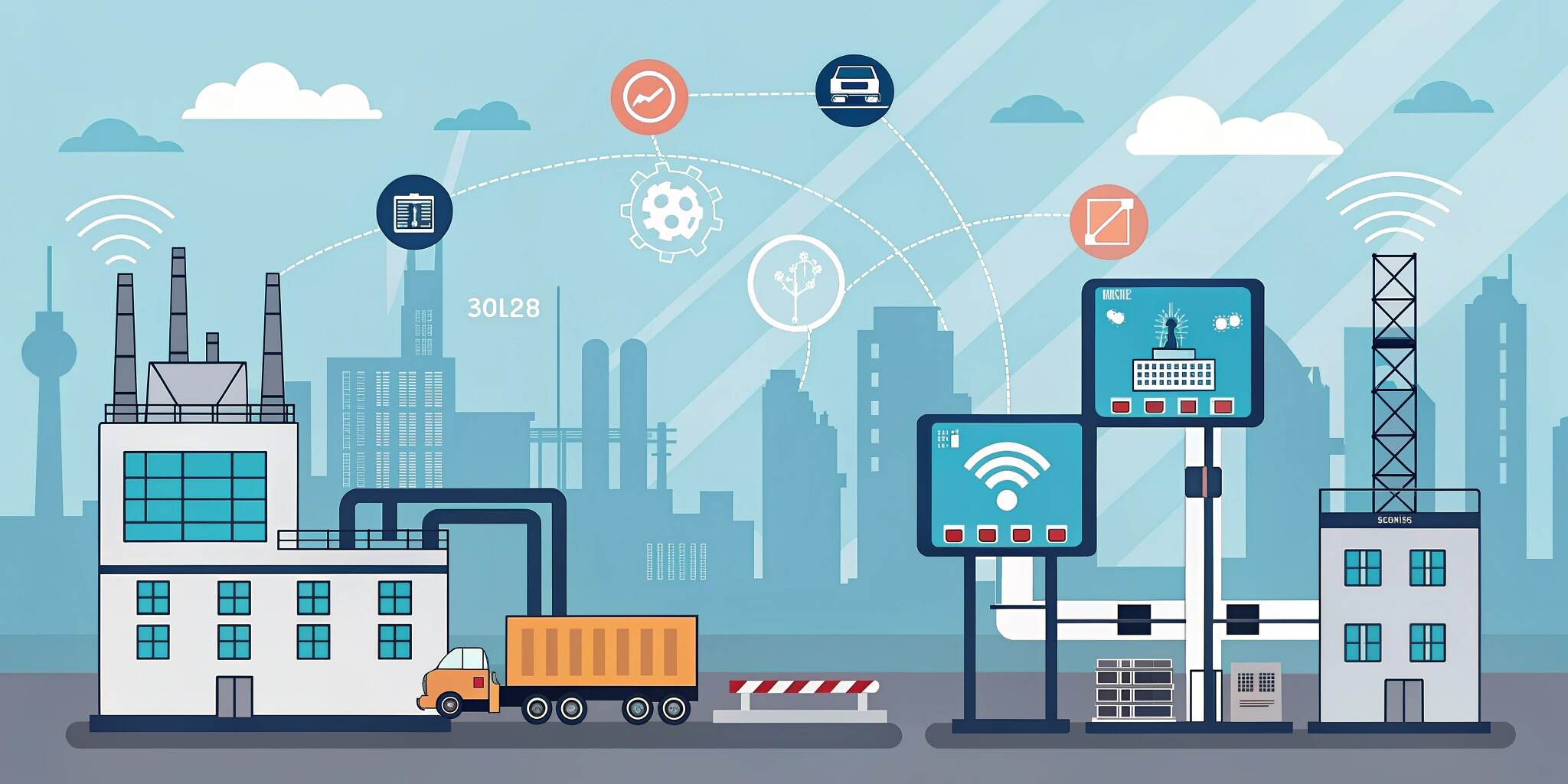
In the age of Industry 4.0 and rapid urbanization, digital twins are emerging as a transformative technology. A digital twin is a virtual model that mirrors a real-world system, asset, or process, enabling real-time monitoring, analysis, and simulation. From manufacturing plants to entire cities, digital twins help organizations make data-driven decisions, optimize operations, and enhance sustainability.
Digital Twins in Manufacturing
Manufacturers face constant pressure to improve productivity, reduce downtime, and maintain quality. Digital twins offer solutions through real-time visibility and predictive insights.
Key Applications in Manufacturing:
- Predictive Maintenance: By simulating equipment performance, digital twins can predict failures before they occur, reducing costly downtime.
- Production Optimization: Virtual replicas of production lines enable engineers to test changes and optimize processes without disrupting operations.
- Quality Control: Data from sensors connected to digital twins allows for continuous monitoring, ensuring consistent product quality.
- Supply Chain Management: By creating a digital model of supply networks, manufacturers can predict bottlenecks and optimize logistics.
Benefits:
- Reduced operational costs
- Improved product innovation
- Enhanced worker safety
- Faster decision-making
Digital Twins in Smart Cities
As cities grow, managing infrastructure, energy, and mobility becomes increasingly complex. Digital twins help urban planners and governments design smarter, sustainable environments.
Key Applications in Smart Cities:
- Urban Planning: Digital replicas of cities can simulate new infrastructure projects, assessing impact before construction.
- Traffic Management: Real-time traffic data can be analyzed to improve mobility and reduce congestion.
- Energy Efficiency: Digital twins track energy consumption in buildings and public utilities, driving sustainability initiatives.
- Disaster Management: Simulations of floods, earthquakes, or fires help city authorities prepare and respond effectively.
- Public Safety: Digital models help in monitoring air quality, waste management, and emergency responses.
Benefits:
- Smarter infrastructure development
- Sustainable energy usage
- Improved quality of life
- Resilient urban ecosystems
Real-World Examples
- Siemens uses digital twins to optimize manufacturing processes in their factories.
- Singapore’s Smart Nation project employs digital twin technology to model the entire city, supporting planning and resource management.
Future Outlook
The integration of AI, IoT, and big data with digital twins is expected to make them even more powerful. In the future, we can expect entire industries and cities to operate seamlessly using digital twin ecosystems.
Conclusion
Digital twins are no longer futuristic concepts—they are practical tools shaping modern manufacturing and smart cities. Their ability to provide real-time insights, improve efficiency, and support sustainable growth makes them a cornerstone of digital transformation.