As IT environments become increasingly complex, enterprises face challenges in monitoring performance, maintaining reliability, and anticipating failures. Traditional monitoring tools provide insights, but they often lack the ability to simulate future scenarios or understand how changes will impact the system. This is where digital twins have emerged as a game-changing solution for modern IT infrastructure. A digital twin is a virtual replica of a physical system that continuously mirrors real-world operations through live data streams, analytics, and simulation models.
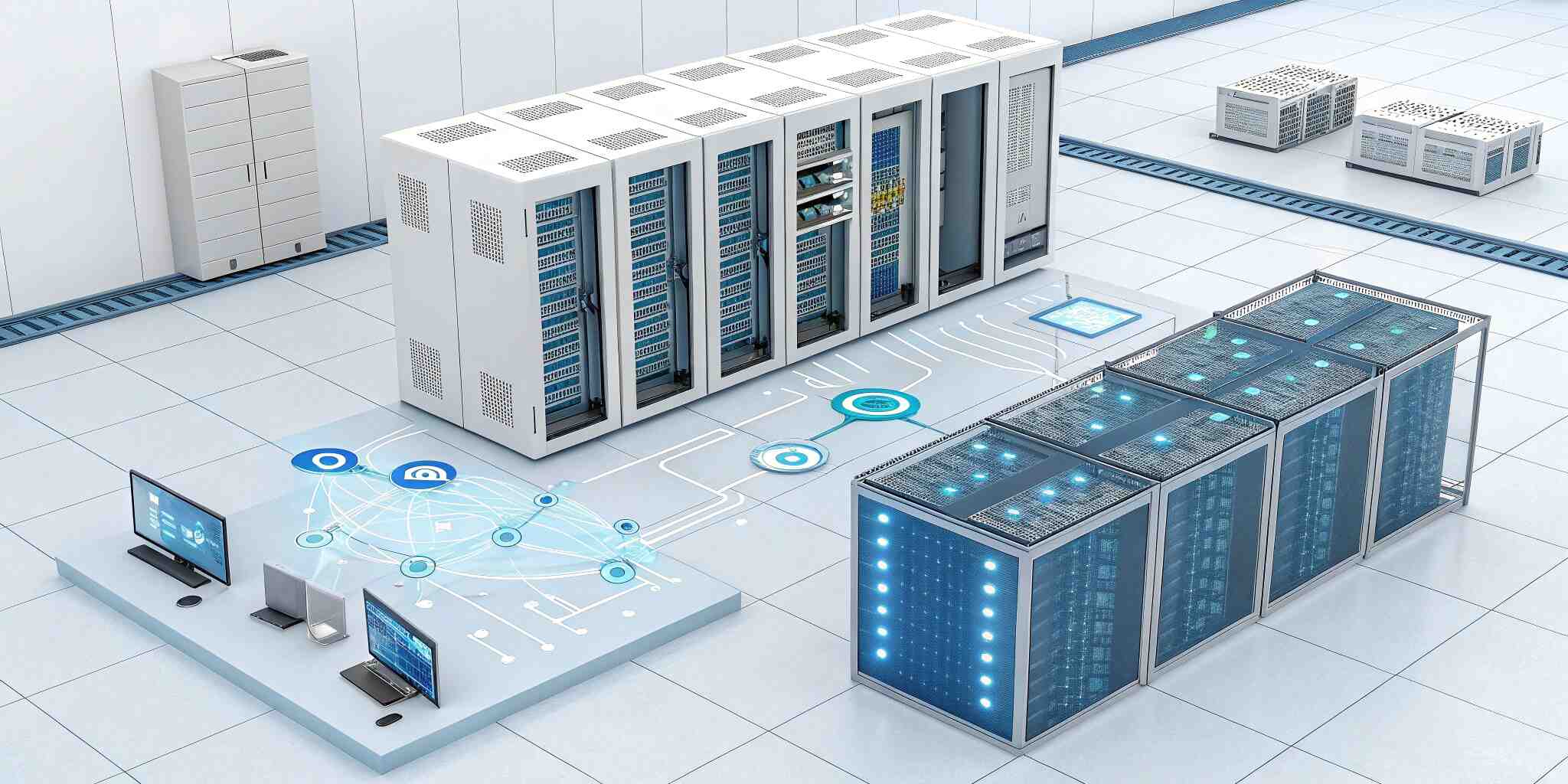
In the IT domain, digital twins represent servers, networks, data centers, storage systems, cloud workloads, or even entire enterprise architectures. These digital replicas dynamically update based on real-time inputs, enabling IT teams to visualize infrastructure health, predict failures, and test changes safely before deployment. The ability to simulate scenarios without disrupting live systems is one of the key advantages that sets digital twins apart from traditional monitoring tools.
One of the most impactful uses of digital twins is predictive maintenance. Instead of reacting to failures, organizations can forecast issues by analyzing historical and real-time performance patterns. Digital twins can warn about overheating servers, network bottlenecks, latency spikes, or potential configuration errors long before they disrupt operations. This helps businesses reduce downtime, save maintenance costs, and enhance overall reliability.
Digital twins also support capacity planning and optimization, allowing IT teams to simulate how the infrastructure will behave under different workloads. For example, enterprises can test the effects of increased user traffic, new application deployments, or cloud migration strategies. By predicting resource utilization, organizations can allocate compute, storage, and network capacity more efficiently.
Another major benefit is the ability to enable automated decision-making. When integrated with AIOps and machine learning, digital twins can automatically identify inefficiencies and recommend optimization strategies. These might include reallocating workloads, balancing traffic across servers, adjusting cooling systems in data centers, or modifying network configurations. Automation ensures faster and more accurate responses to dynamic infrastructure conditions.
Digital twins also play a crucial role in cybersecurity. By building a virtual model of the infrastructure, organizations can simulate cyberattacks, test defense strategies, and analyze potential vulnerabilities without exposing the real environment to risk. This strengthens incident preparedness and response.
However, implementing digital twins comes with challenges. Creating an accurate, high-fidelity digital model requires comprehensive data collection from sensors, monitoring tools, and logs. Integration across cloud, on-premise, and hybrid environments can also be complex. Additionally, maintaining a real-time sync between physical and digital systems demands robust architecture and data pipelines.
Despite these challenges, the adoption of digital twins continues to grow rapidly as enterprises strive for smarter, more resilient IT ecosystems. With advancements in AI, IoT, and cloud computing, digital twins are expected to become standard tools in infrastructure management, enabling businesses to achieve unprecedented levels of automation, intelligence, and efficiency.
Digital twins are not just another IT tool—they represent a fundamental shift toward predictive, future-ready infrastructure. By bridging the gap between physical systems and intelligent digital models, they are redefining how organizations manage reliability, scalability, and innovation across IT environments.