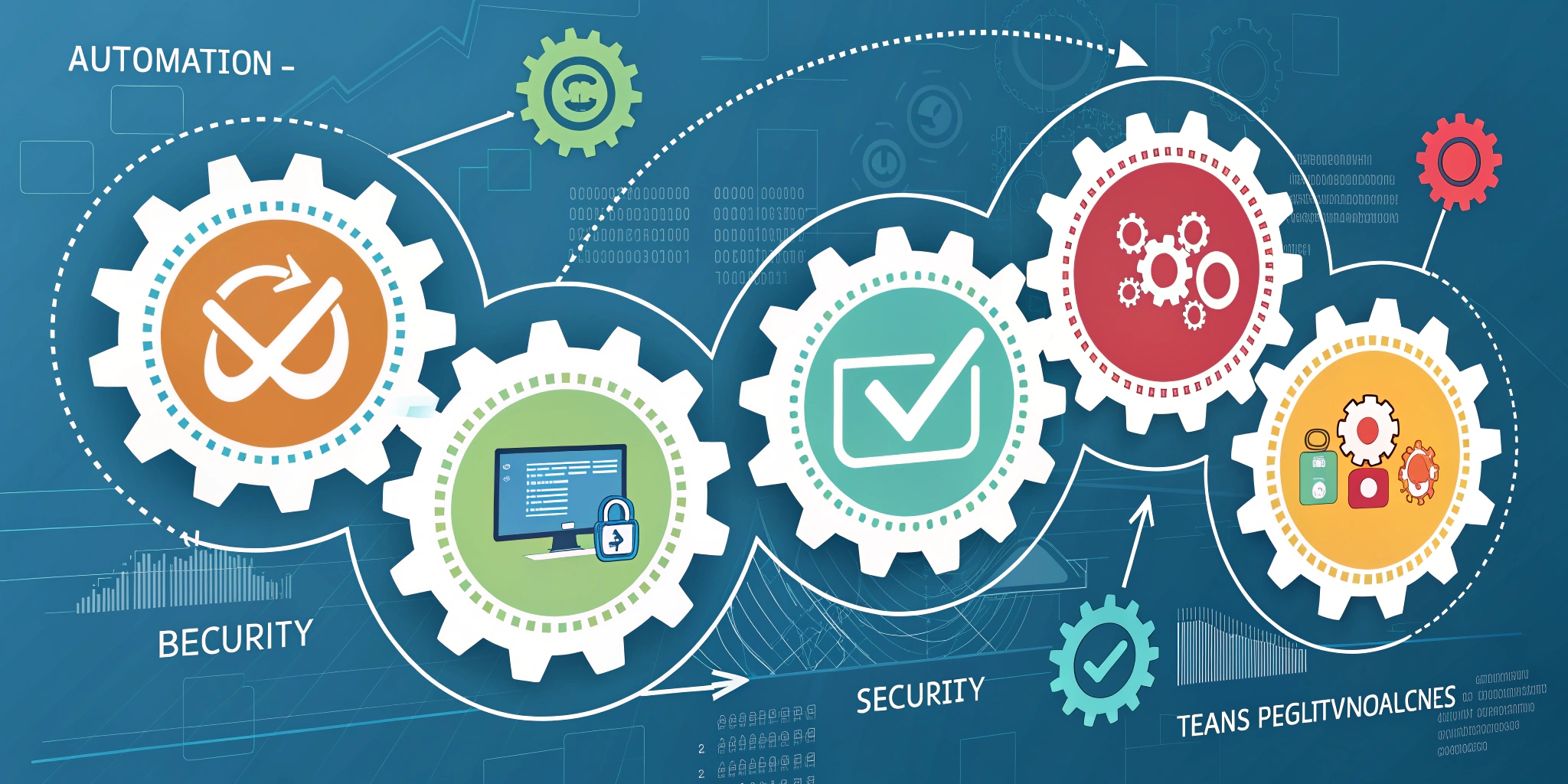
The software development landscape is evolving rapidly. Organizations no longer measure success by how fast they can release code, but also by how secure and resilient their applications are. DevOps has already transformed how teams deliver software by streamlining development and operations. Now, DevSecOps extends that transformation by embedding security directly into DevOps pipelines.
Together, DevOps and DevSecOps form a powerful integration that enables organizations to move fast without compromising security.
What Is DevOps?
DevOps is a cultural and technical movement that brings development and operations teams together. Its core principles include:
- Continuous Integration (CI)
- Continuous Delivery/Deployment (CD)
- Automation of testing and deployment
- Collaboration between cross-functional teams
The goal of DevOps is to deliver software faster, more reliably, and with fewer errors.
What Is DevSecOps?
DevSecOps builds on DevOps by integrating security as a shared responsibility throughout the software development lifecycle (SDLC). Instead of leaving security checks until the end of development, DevSecOps introduces:
- Automated security testing in CI/CD pipelines
- Code scanning for vulnerabilities
- Compliance enforcement during builds
- Security monitoring and feedback loops
In short, DevSecOps shifts security “left”, embedding it earlier in the process.
Why Integrate DevOps and DevSecOps?
- Faster and Safer Releases
- Integration ensures that security testing happens continuously, reducing the risk of late-stage vulnerabilities delaying releases.
- Shared Responsibility
- Security becomes everyone’s job, not just the responsibility of a dedicated team. Developers, operations, and security experts collaborate more effectively.
- Reduced Costs of Fixing Vulnerabilities
- Fixing a vulnerability during development is far cheaper than patching it after release. Integration helps prevent costly security breaches.
- Compliance and Risk Management
- Industries with strict regulations (e.g., finance, healthcare) benefit from automated compliance checks built into pipelines.
- Stronger Customer Trust
- Delivering secure, reliable applications enhances brand reputation and customer confidence.
Challenges in DevOps + DevSecOps Integration
- Cultural Resistance: Developers may resist security practices if they feel it slows them down.
- Tool Overload: Adding security tools to existing DevOps stacks can increase complexity.
- Skill Gaps: Not all developers are trained in secure coding practices.
- Balancing Speed and Security: Organizations must ensure that security checks don’t bottleneck delivery speed.
Best Practices for Integration
- Automate Security Testing
- Integrate Static Application Security Testing (SAST), Dynamic Application Security Testing (DAST), and Software Composition Analysis (SCA) into CI/CD pipelines.
- Adopt a “Shift-Left” Mindset
- Conduct code reviews, threat modeling, and vulnerability scanning early in development.
- Use Container and Cloud Security
- Secure container images, apply runtime protection, and use Infrastructure as Code (IaC) scanning to ensure cloud environments are safe.
- Train Teams on Secure Coding
- Developers should be educated about common vulnerabilities (e.g., OWASP Top 10) and secure coding standards.
- Collaborate Across Teams
- Foster a culture where development, operations, and security collaborate seamlessly rather than working in silos.
- Continuous Monitoring
- Extend DevOps monitoring to include security events and incident responses in real time.
Tools Supporting DevOps + DevSecOps Integration
- CI/CD Security Tools: GitLab, Jenkins with security plugins, CircleCI
- Code Scanning: SonarQube, Checkmarx, Snyk
- Container Security: Aqua Security, Twistlock, Anchore
- Cloud Security: HashiCorp Vault, AWS Security Hub, Azure Security Center
These tools automate security practices without overwhelming development speed.
The Future of DevOps + DevSecOps Integration
As cyber threats become more advanced, organizations will increasingly adopt DevSecOps as a standard, not an option. AI-driven threat detection, automated compliance, and self-healing infrastructure will play bigger roles in secure DevOps pipelines.
Integration isn’t just about technology—it’s about building a culture where speed and security coexist. Organizations that embrace this will gain a competitive edge in delivering trustworthy, resilient applications.
Conclusion
DevOps and DevSecOps integration represents the next stage in software delivery maturity. By embedding security into DevOps practices, teams can deliver applications faster, safer, and with greater confidence. For organizations aiming to stay competitive in the digital age, DevSecOps isn’t a replacement for DevOps—it’s an evolution of it.