Introduction
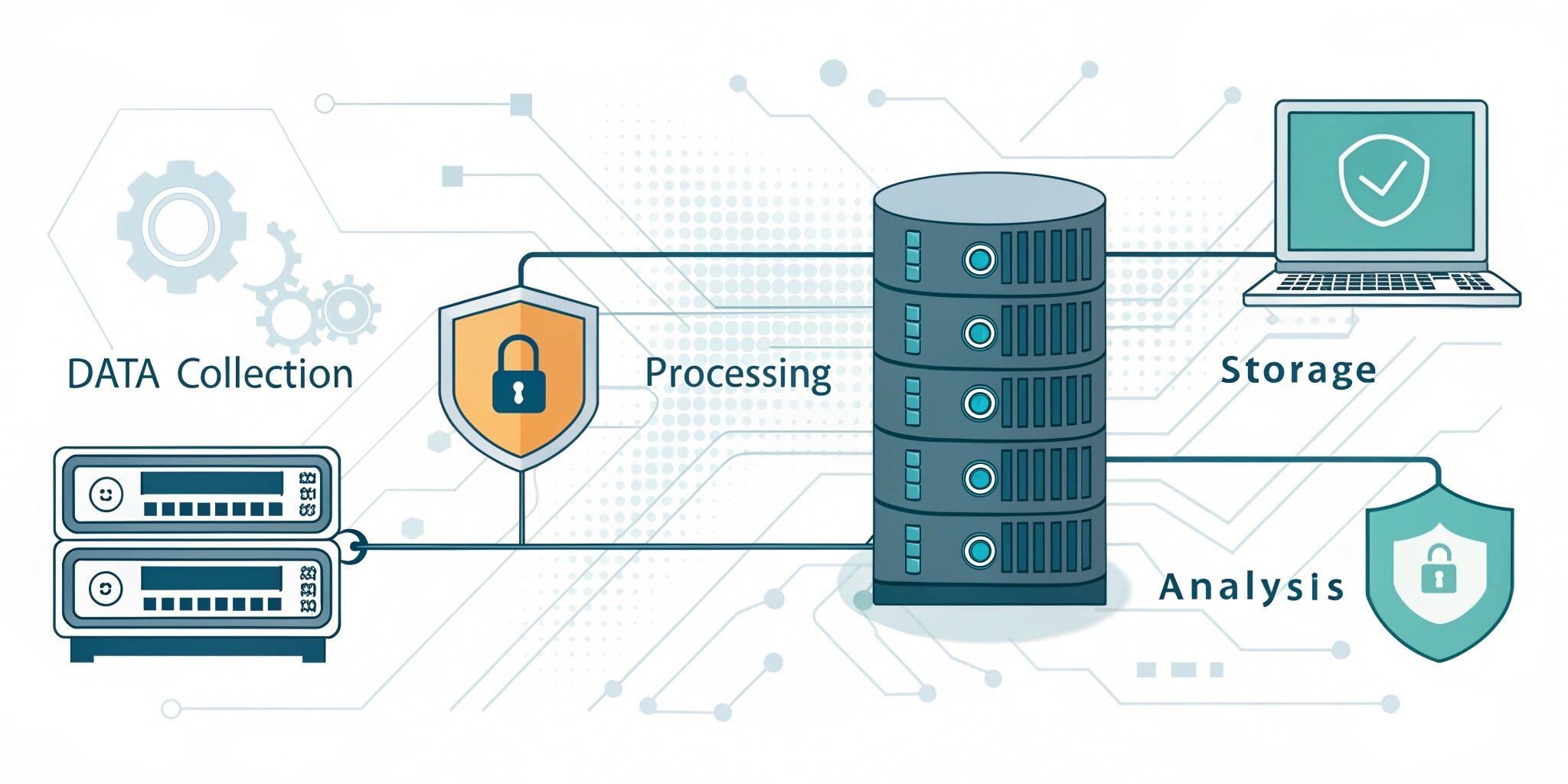
In the era of big data, organizations rely on analytics pipelines to process, transform, and visualize massive amounts of information. While these pipelines fuel innovation and business intelligence, they also expose sensitive data to potential risks. Ensuring data security within analytics pipelines has become a top priority in 2025, as regulatory compliance, cyber threats, and customer trust depend on it.
Why Data Security in Analytics Pipelines Matters
Analytics pipelines handle sensitive data such as customer records, financial transactions, and healthcare information. A single vulnerability can lead to data breaches, reputational damage, and heavy regulatory fines. Data security ensures:
- Confidentiality: Protecting private information from unauthorized access.
- Integrity: Preventing unauthorized alterations to data.
- Availability: Ensuring that data is accessible when needed.
Key Risks in Analytics Pipelines
- Data Leakage: Sensitive data may leak during collection, transformation, or storage.
- Insider Threats: Employees with privileged access may misuse or mishandle data.
- Cloud Security Gaps: Misconfigured cloud environments increase exposure.
- Unsecured Integrations: APIs and third-party tools can create weak links.
- Compliance Violations: Failure to meet GDPR, HIPAA, or other standards.
Best Practices for Securing Analytics Pipelines
Data Encryption
- Use encryption both at rest and in transit.
- Implement key management systems to control access.
Access Control & Authentication
- Apply the principle of least privilege (POLP).
- Use multi-factor authentication (MFA) for pipeline access.
Data Masking & Anonymization
- Protect personally identifiable information (PII) by masking sensitive fields.
- Apply anonymization before sharing datasets with external teams.
Secure Data Ingestion & Transfer
- Implement TLS/SSL protocols.
- Validate input data to prevent injection attacks.
Continuous Monitoring & Auditing
- Monitor logs and system behavior to detect anomalies.
- Conduct regular security audits and compliance checks.
Compliance-Driven Security Design
- Align pipeline design with GDPR, HIPAA, CCPA, and other regulations.
- Automate compliance reporting for audits.
The Role of Emerging Technologies
- Zero Trust Architecture: Applying a “never trust, always verify” approach.
- AI-Driven Security: Detecting threats in real time using machine learning.
- Secure Multi-Party Computation: Allowing data analysis without exposing raw data.
Conclusion
As organizations scale their analytics capabilities, the importance of securing data pipelines cannot be overstated. With encryption, access controls, anonymization, and compliance at the core, businesses can ensure that analytics pipelines remain both powerful and safe in 2025.