Main Content
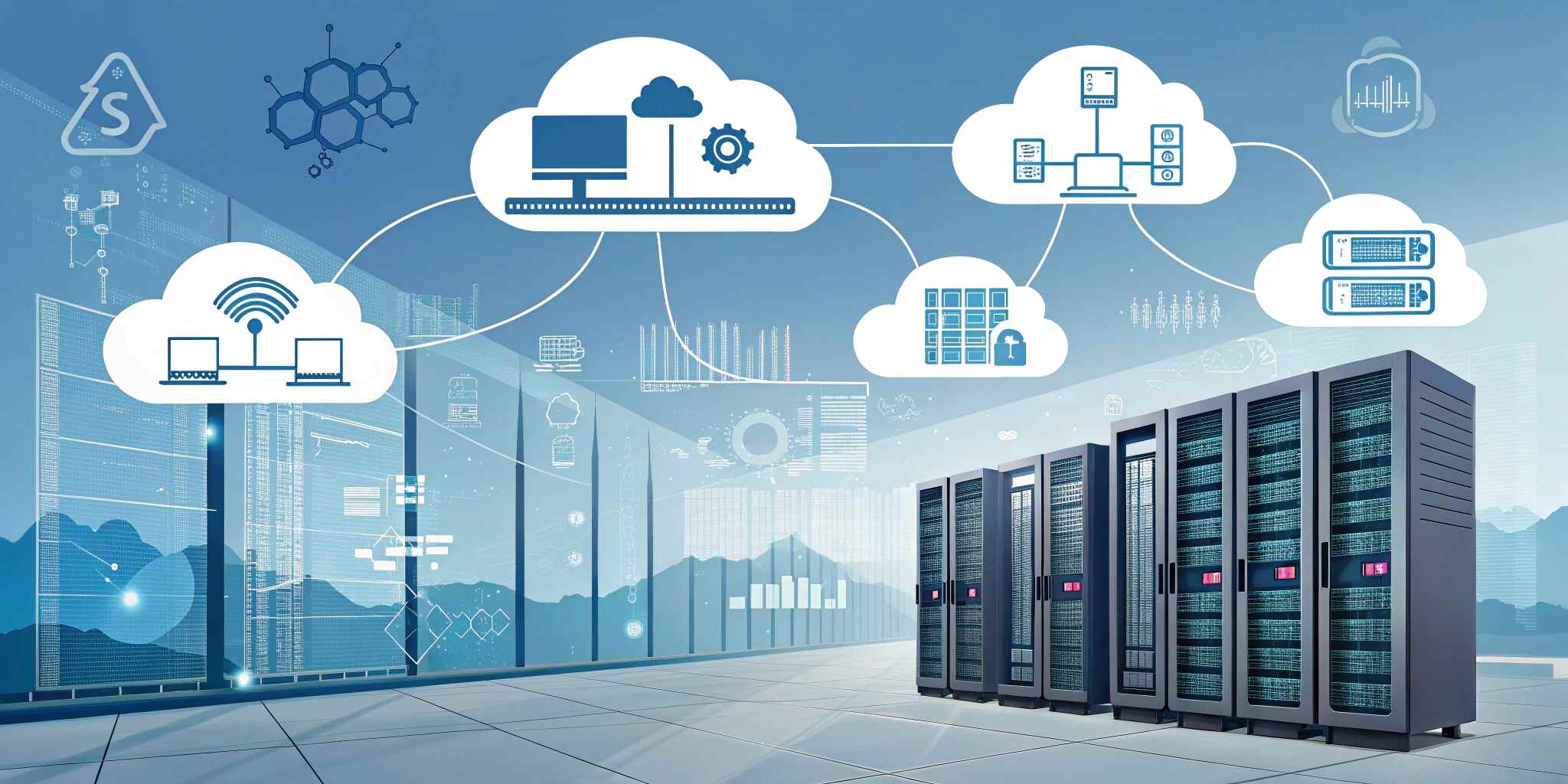
Cloud computing has transformed the way organizations store data, build applications, and scale their operations. From basic infrastructure hosting to advanced platforms and services, the cloud has evolved rapidly over the last decade. Today, we are entering a new phase known as Cloud 3.0, a paradigm that goes beyond centralized systems to deliver intelligence, autonomy, and decentralization.
Understanding the Evolution: From Cloud 1.0 to Cloud 3.0
To truly understand Cloud 3.0, it helps to look at how cloud computing has evolved. Cloud 1.0 focused on basic infrastructure services such as virtual machines, storage, and servers. It replaced on-premise hardware and enabled cost efficiency and scalability.
Cloud 2.0 introduced managed services, platform-as-a-service (PaaS), software-as-a-service (SaaS), and DevOps automation. Major providers like AWS, Azure, and Google Cloud enabled faster development cycles, microservices, and containerized applications.
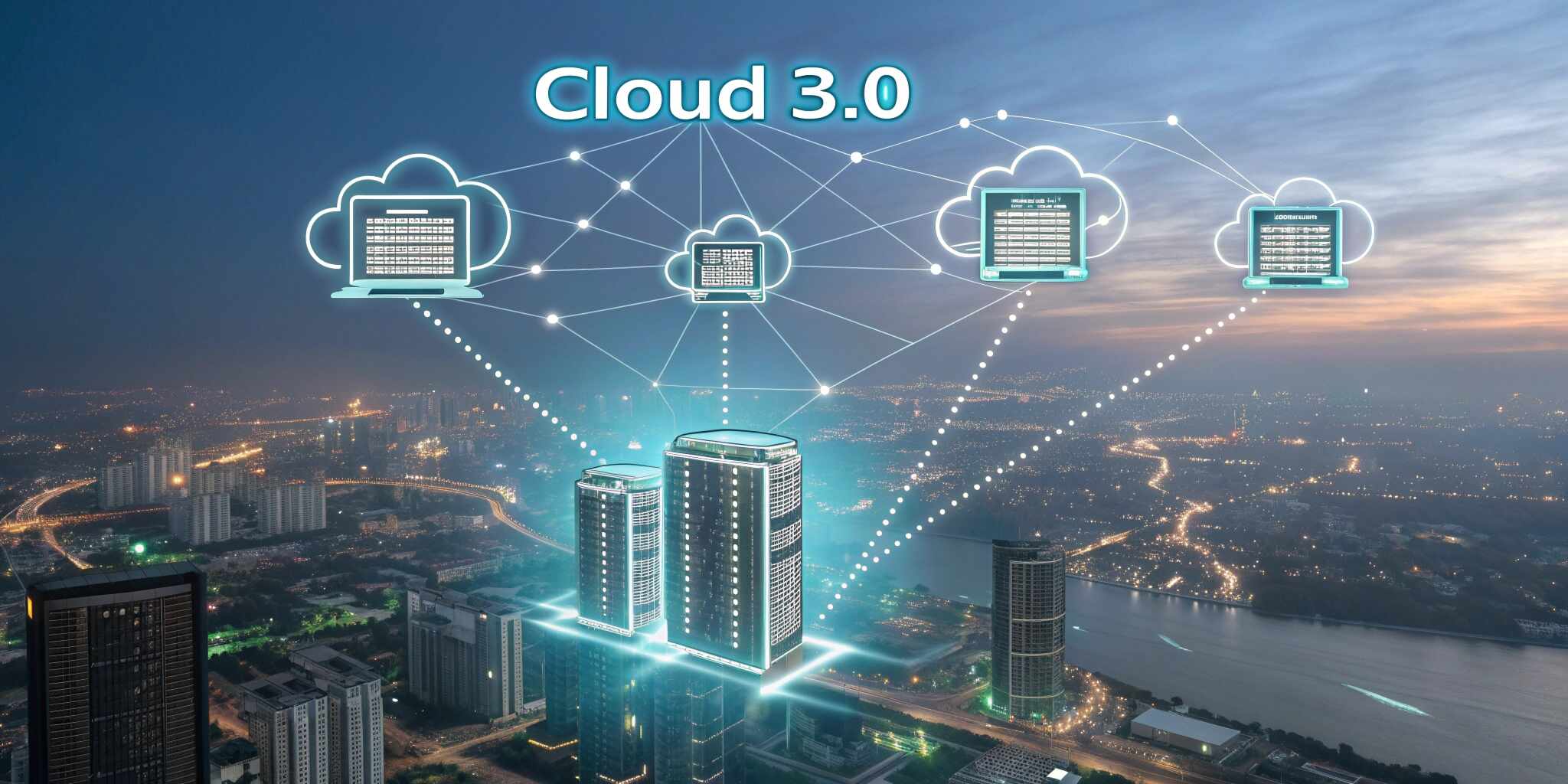
Cloud 3.0 represents the next leap forward. It emphasizes decentralization, intelligence, and real-time processing. Instead of relying solely on centralized data centers, Cloud 3.0 distributes workloads across edge devices, regional nodes, and autonomous systems.
Key Characteristics of Cloud 3.0
One of the defining features of Cloud 3.0 is decentralization. Data and computing power are no longer confined to centralized servers. Instead, workloads are distributed closer to users through edge computing, improving speed and reducing latency.
Another major component is artificial intelligence and machine learning integration. Cloud 3.0 platforms are designed to learn, optimize, and self-manage resources automatically. AI-driven monitoring, predictive scaling, and intelligent security systems reduce human intervention and improve efficiency.
Edge computing plays a crucial role in Cloud 3.0. By processing data closer to the source—such as IoT devices, mobile phones, or sensors—applications can deliver real-time responses. This is essential for industries like healthcare, manufacturing, gaming, and autonomous vehicles.
Security is also reimagined in Cloud 3.0. Traditional perimeter-based security models are replaced by zero-trust architectures, encryption-by-default, and blockchain-based identity management. These approaches ensure stronger data integrity and protection in distributed environments.
How Cloud 3.0 Benefits Businesses
Cloud 3.0 offers several tangible advantages for modern organizations. First, it enables faster performance and lower latency, which is critical for real-time applications and global user bases. Businesses can deliver smoother user experiences without relying solely on centralized servers.
Second, Cloud 3.0 improves scalability and resilience. Distributed architectures reduce single points of failure and ensure higher availability. If one node fails, workloads can shift seamlessly to another.
Third, intelligent automation reduces operational overhead. AI-powered resource management optimizes costs, performance, and energy usage, allowing IT teams to focus on innovation rather than maintenance.
Finally, Cloud 3.0 supports future-ready innovation. Technologies such as Web3, blockchain applications, immersive gaming, and AI-driven platforms rely on decentralized, intelligent cloud infrastructure to function effectively.
Use Cases of Cloud 3.0
Cloud 3.0 is already making an impact across industries. In healthcare, real-time data processing enables faster diagnostics and remote patient monitoring. In manufacturing, edge-enabled cloud systems support predictive maintenance and smart factories.
The gaming industry benefits from low-latency cloud infrastructure for immersive multiplayer experiences. Similarly, AI and ML applications rely on Cloud 3.0 to process massive datasets efficiently and deliver real-time insights.
The Road Ahead
As digital transformation accelerates, Cloud 3.0 will become the foundation of next-generation applications. Organizations that adopt this model early will gain a competitive advantage through agility, intelligence, and scalability.
Cloud 3.0 is not just an upgrade—it is a fundamental shift in how computing resources are designed, deployed, and managed. It marks the beginning of a smarter, decentralized, and more autonomous digital future.