In the age of global trade, supply chains stretch across continents, involving manufacturers, logistics providers, warehouses, distributors, and retailers. With so many stakeholders and touchpoints, transparency, trust, and traceability often become major challenges. This lack of visibility leads to counterfeiting, fraud, quality disputes, delivery delays, and compliance issues. Blockchain technology has emerged as one of the most powerful solutions to transform supply chain transparency and build a secure, efficient, and trustworthy ecosystem.
Understanding Blockchain in Supply Chain Management
Blockchain is a decentralized, tamper-proof ledger that records transactions across a distributed network. Unlike traditional databases, blockchain ensures that every update is verified by multiple participants, making the system resistant to fraud and unauthorized changes. In supply chains, this means:
- Every product movement is recorded in real-time
- Data cannot be altered once entered
- All participants share a single version of truth
- End-to-end traceability becomes possible
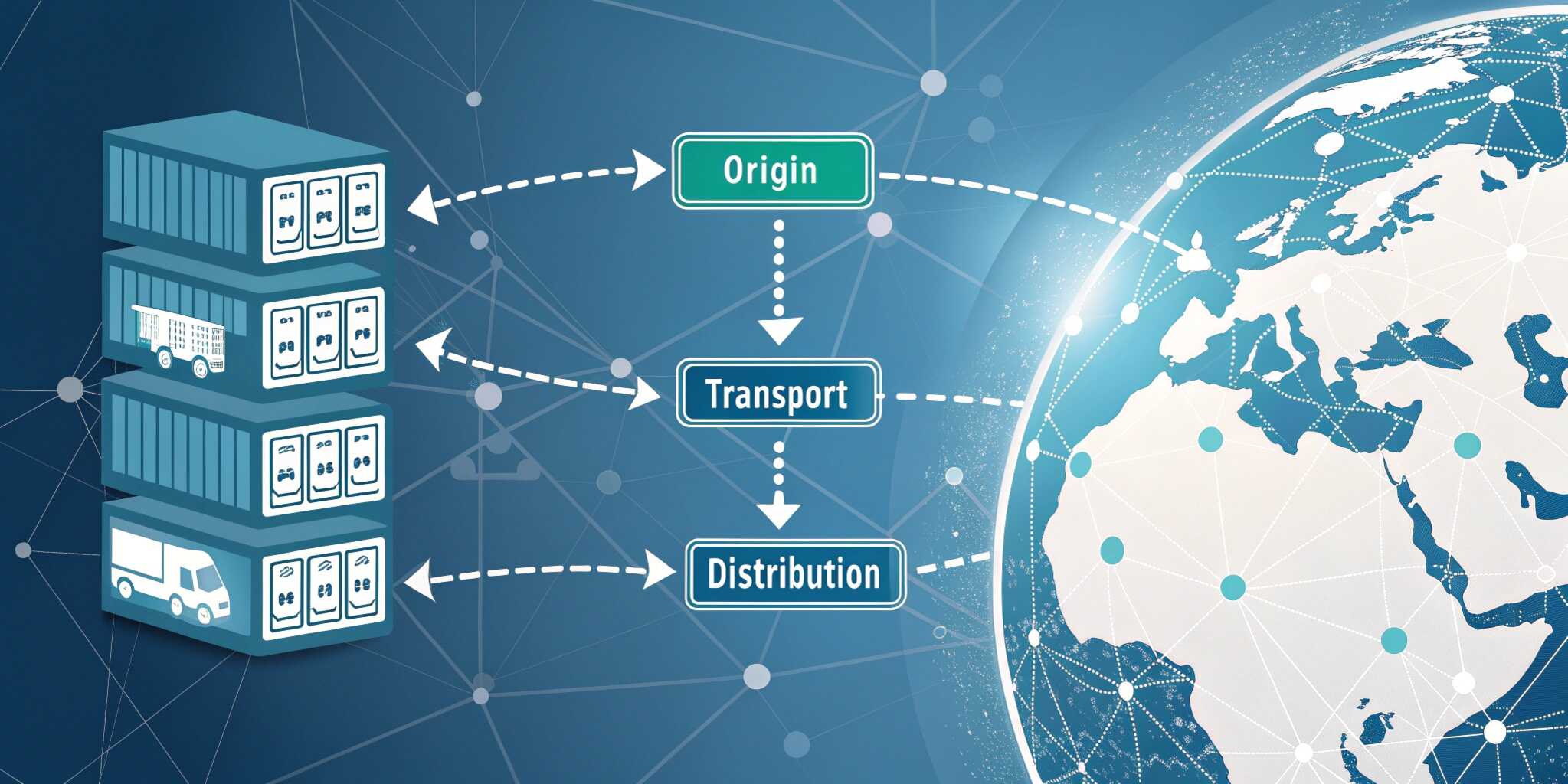
This transparent structure enables organizations to track products from origin to final delivery, improving accuracy and operational efficiency.
How Blockchain Enhances Supply Chain Transparency
1. Immutable and Fraud-Proof Records
One of blockchain’s most valuable features is immutability. Once a record is created, it cannot be edited, preventing manipulation of shipment details, inventory logs, or certificates. This reduces the chances of:
- Counterfeit goods
- False quality claims
- Inventory theft
- Misreporting by intermediaries
In industries like pharmaceuticals, luxury goods, and food safety, this is essential for maintaining product authenticity.
2. Real-Time Tracking and Visibility
Blockchain enables organizations to track product movement throughout the entire supply chain. Through IoT sensors, QR codes, or RFID tags, data can be automatically uploaded to the blockchain. This helps stakeholders:
- Monitor temperature and storage conditions
- Check the location of goods 24/7
- Predict delivery schedules
- Respond quickly to disruptions
Real-time visibility reduces delays, improves customer trust, and enhances decision-making.
3. Smart Contracts for Automation
Smart contracts are self-executing agreements stored on blockchain. They automatically trigger actions once predefined conditions are met. For example:
- Payments can be released when goods reach a destination
- Shipments can be validated without manual paperwork
- Compliance checks can be automated
This eliminates human error, speeds up processes, and reduces operational costs.
4. Improving Product Provenance
With blockchain, every product's lifecycle—from raw material extraction to manufacturing and final delivery—is recorded. This level of provenance is crucial for ethically sourced goods, sustainability reporting, and recall management. Companies can prove:
- Where a product came from
- Who handled it
- How it was processed
- Whether it met regulatory standards
Consumers benefit from transparent product histories, increasing brand loyalty.
5. Enhancing Trust Among Stakeholders
Supply chains often include multiple, unrelated parties, making trust a key issue. Blockchain ensures that all members see the same verified data, creating a trustless environment where transparency itself builds trust. This reduces conflicts, improves collaboration, and strengthens relationships across the chain.
Real-World Applications
Blockchain is already being adopted across industries:
- Food industry: Walmart and IBM Food Trust use blockchain to track fresh produce, reducing contamination risks.
- Pharmaceuticals: Companies use blockchain to comply with drug traceability regulations and eliminate counterfeit medicines.
- Fashion and luxury: Brands like Louis Vuitton use it to verify authenticity.
- Automotive: Car manufacturers track components for recalls and quality checks.
Challenges in Blockchain Adoption
While powerful, blockchain adoption comes with challenges such as:
- Integration with legacy systems
- High initial investment
- Need for industry-wide collaboration
- Scalability concerns
- Data privacy challenges
Still, advancements in consortium blockchains, layer-2 solutions, and interoperability tools are making adoption smoother.
The Future of Transparent Supply Chains
As global commerce becomes more complex, blockchain will play an increasingly critical role in creating supply chains that are transparent, efficient, and secure. Future developments include:
- Complete IoT-based automated supply chains
- AI-powered blockchain analytics
- Carbon footprint tracking
- Tokenization of supply chain assets
Businesses that adopt blockchain early will gain a competitive advantage in efficiency, trustworthiness, and customer satisfaction.