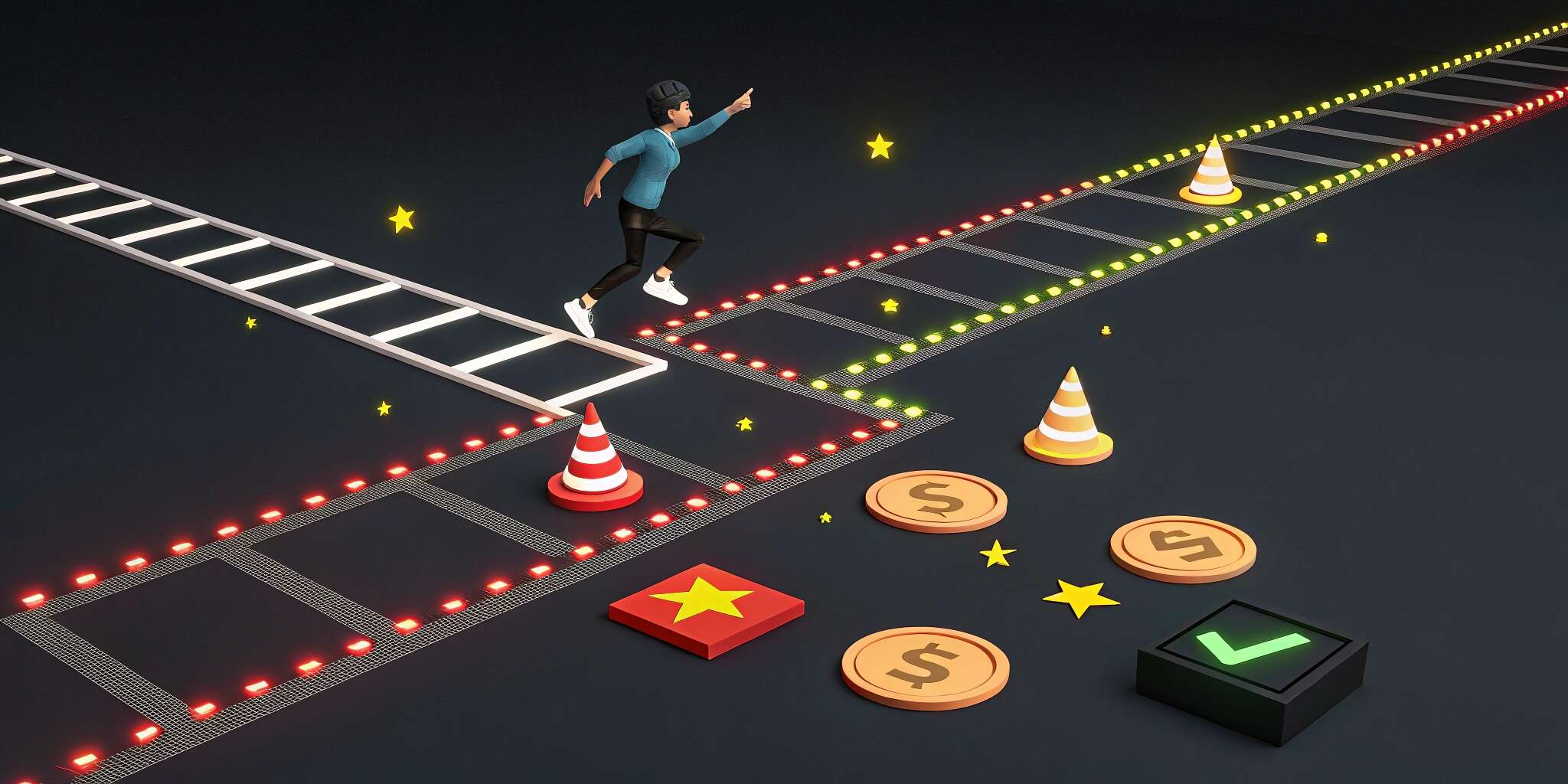
In game development, the most engaging experiences come from a perfect balance between challenge and reward. Too much difficulty can frustrate players, while too many rewards without effort can lead to boredom. The right balance keeps players coming back for more.
1. The Psychology Behind Challenge and Reward
Players are motivated by a mix of intrinsic (e.g., mastery, curiosity) and extrinsic (e.g., points, loot) rewards. Balancing challenge and reward taps into both, maintaining a flow state—the sweet spot between boredom and anxiety.
- Challenge stimulates focus and learning.
- Reward reinforces behavior and progression.
2. Types of Challenges in Games
- Cognitive Challenges: Puzzles, strategy, decision-making
- Mechanical Challenges: Reaction time, precision, speed
- Emotional Challenges: Moral decisions, story choices
- Social Challenges: PvP, cooperation, communication
Each type requires a different reward strategy to be satisfying.
3. Reward Types and How They Work
- Tangible Rewards: XP, coins, gear, achievements
- Narrative Rewards: Story progression, new dialogue
- Exploratory Rewards: Hidden areas, collectibles
- Social Rewards: Leaderboards, guilds, multiplayer ranks
Key Tip: Make rewards earned and meaningful—players should feel they deserve it.
4. Techniques to Balance Challenge and Reward
1. Dynamic Difficulty Adjustment (DDA)
Games like Resident Evil 4 adapt difficulty based on player performance. If a player struggles, the game subtly eases up—without making it obvious.
2. Progressive Difficulty Curve
Start easy, increase complexity. Think Super Mario—each level builds upon the previous one, introducing new elements gradually.
3. Feedback Loops
Use positive feedback loops to reward success and negative feedback loops to prevent discouragement.
4. Risk and Reward Systems
Give players high-risk, high-reward options—like rare loot behind tough bosses. This empowers decision-making and increases replayability.
5. Short-Term vs Long-Term Rewards
Mix instant gratification (e.g., coins) with long-term goals (e.g., unlocking a new world). This supports both casual and committed play styles.
5. Real-World Examples
- Dark Souls: High challenge, high reward. Players feel immense satisfaction after beating difficult bosses.
- Candy Crush: Frequent rewards, low challenge early on, with increasing difficulty to promote microtransactions.
- Hades: Balances short-run rewards with long-term progression using permanent upgrades and rich narrative.
6. Mistakes to Avoid
- Overwhelming players early with complex mechanics or steep difficulty.
- Undermining rewards by giving too many too easily.
- Ignoring player feedback, especially in playtesting phases.
- Punishing failure harshly without giving players a way to learn and recover.
Conclusion
Balancing challenge and reward is one of the most critical elements in crafting great games. It drives player engagement, satisfaction, and retention. By understanding your audience and using dynamic systems, you can design games that are as rewarding to play as they are to build.