Main Content
Augmented Reality (AR) and Spatial Design are rapidly changing how users experience digital products. No longer limited to flat screens, modern applications now exist within physical spaces—interacting with users in real time. AR & Spatial Design Support plays a critical role in enabling these immersive experiences by combining technology, design principles, and spatial awareness.
Understanding AR & Spatial Design
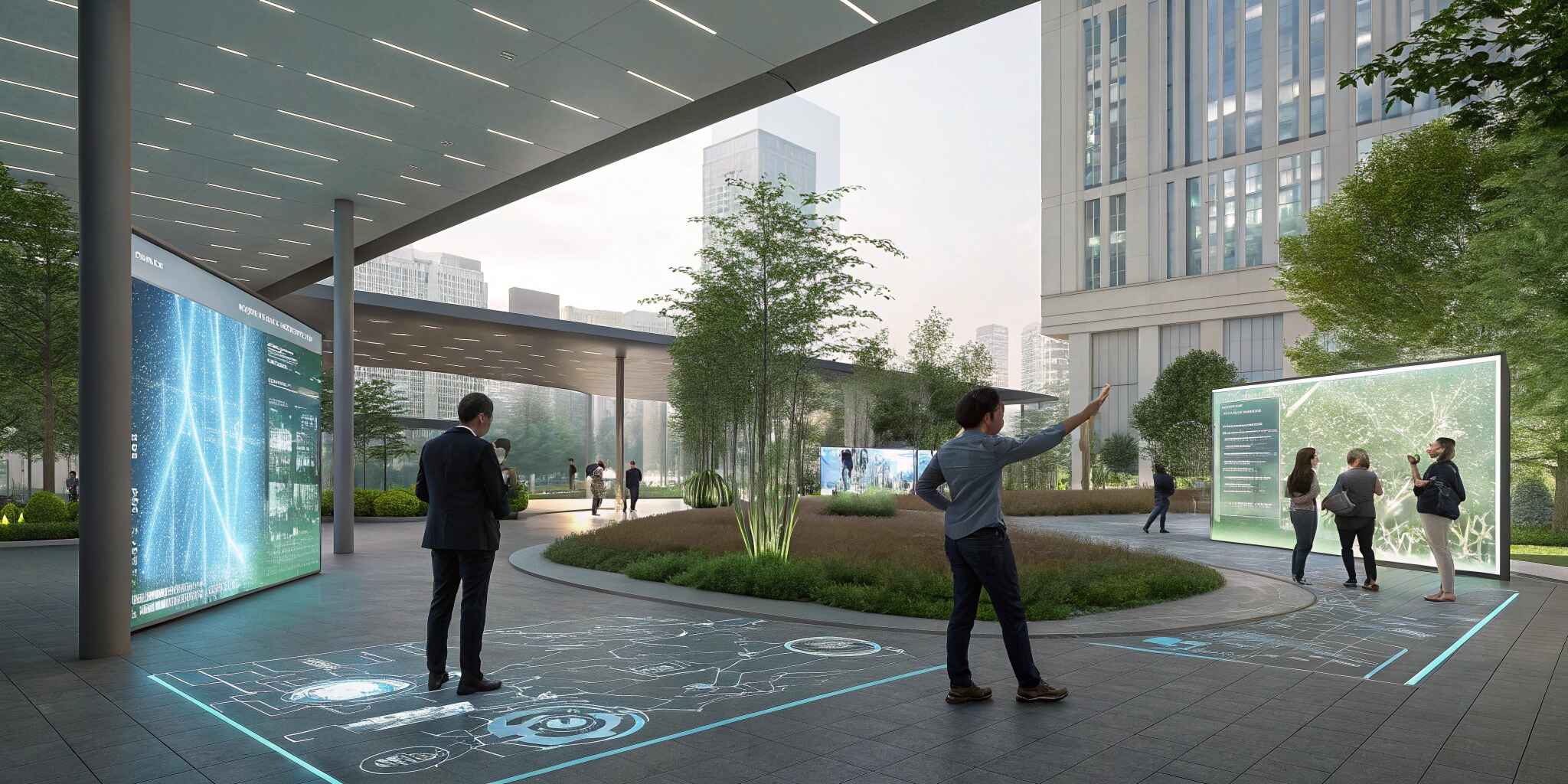
Augmented Reality overlays digital elements—such as 3D models, animations, and contextual data—onto the real world using devices like smartphones, tablets, AR glasses, or head-mounted displays. Spatial design focuses on how these digital elements exist and behave within physical environments. Together, they allow applications to understand space, depth, scale, and movement.
AR & Spatial Design Support ensures that virtual objects are accurately placed, anchored, and responsive to real-world conditions. This includes surface detection, spatial mapping, lighting estimation, and real-time tracking, all of which are essential for creating believable and usable AR experiences.
Key Components of AR & Spatial Design Support
One of the core aspects is spatial mapping, which allows applications to scan and understand physical environments. Floors, walls, and objects become interactive surfaces that digital content can attach to.
Another crucial element is 3D interaction design. Unlike traditional UI/UX, spatial UX involves gestures, movement, depth, and perspective. Designers must think in three dimensions, ensuring interactions feel natural and intuitive.
Device and platform support is equally important. AR & Spatial Design Support often includes compatibility with frameworks like ARKit, ARCore, WebXR, and Unity, enabling consistent experiences across devices and operating systems.
Use Cases Across Industries
In gaming, AR and spatial design create immersive gameplay where virtual characters interact with real environments. Players move physically, enhancing engagement and realism.
In retail and e-commerce, spatial AR allows customers to visualize products in their own space—placing furniture in a room or trying virtual makeup—leading to better purchase decisions and reduced returns.
The education and training sector benefits greatly from AR spatial experiences. Complex concepts like anatomy, machinery, or architecture can be explored interactively in 3D, improving understanding and retention.
In enterprise and industrial applications, AR & Spatial Design Support helps with remote assistance, maintenance, and training by overlaying step-by-step instructions directly onto physical equipment.
Why AR & Spatial Design Support Matters
The success of an AR experience depends heavily on how accurately it understands and reacts to the user’s environment. Poor spatial alignment or unintuitive interactions can break immersion instantly. Strong AR & Spatial Design Support ensures stability, realism, and usability.
From a business perspective, immersive experiences increase user engagement, brand recall, and conversion rates. Applications that feel natural and spatially aware stand out in a crowded digital landscape.
Challenges and Future Trends
Despite its potential, AR and spatial design face challenges such as hardware limitations, performance optimization, and design complexity. Creating seamless spatial experiences requires collaboration between developers, designers, and 3D artists.
Looking ahead, advancements in spatial computing, AI-powered environment understanding, and wearable AR devices will further push boundaries. The future points toward persistent AR worlds, shared spatial experiences, and deeper integration between physical and digital realities
Challenges and Best Practices
While 3D design offers many benefits, it also comes with challenges. Performance optimization is critical, as heavy graphics can slow down applications if not handled properly. Designers must balance visual richness with usability and accessibility.
Best practices include using 3D elements purposefully, optimizing assets for different devices, and ensuring fallback experiences for lower-end hardware. When done right, 3D design enhances the user experience rather than overwhelming it.
The Future of Mainstream 3D Design
As digital experiences continue to evolve, 3D design will become even more integrated into everyday interactions. From virtual workspaces to immersive online shopping, three-dimensional design will play a key role in shaping how users interact with technology.
The mainstream adoption of 3D design marks a shift toward more human-centered, engaging, and expressive digital products. Businesses that embrace this trend early will be better positioned to capture attention and deliver memorable experiences in a competitive digital landscape.