Introduction
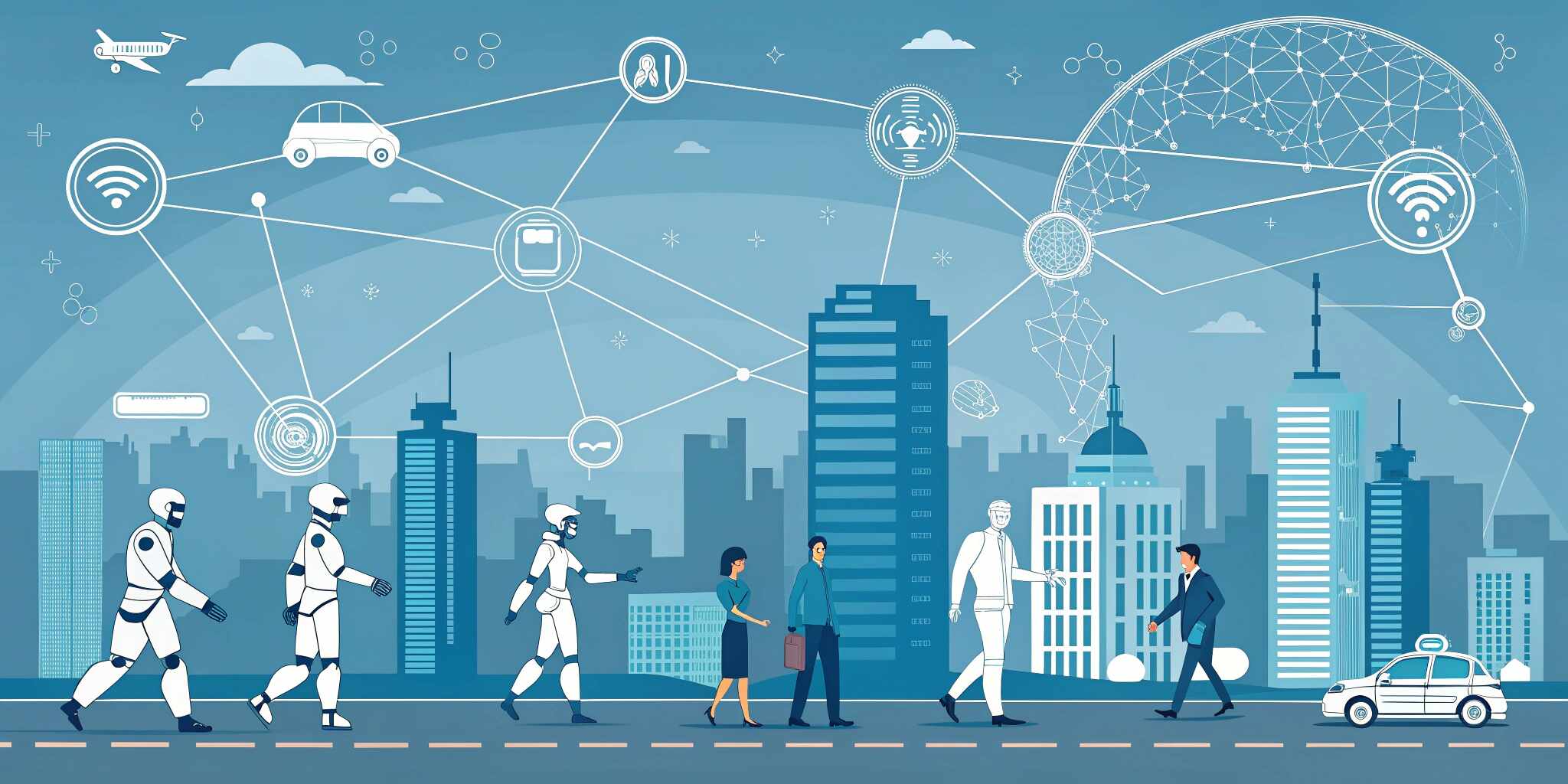
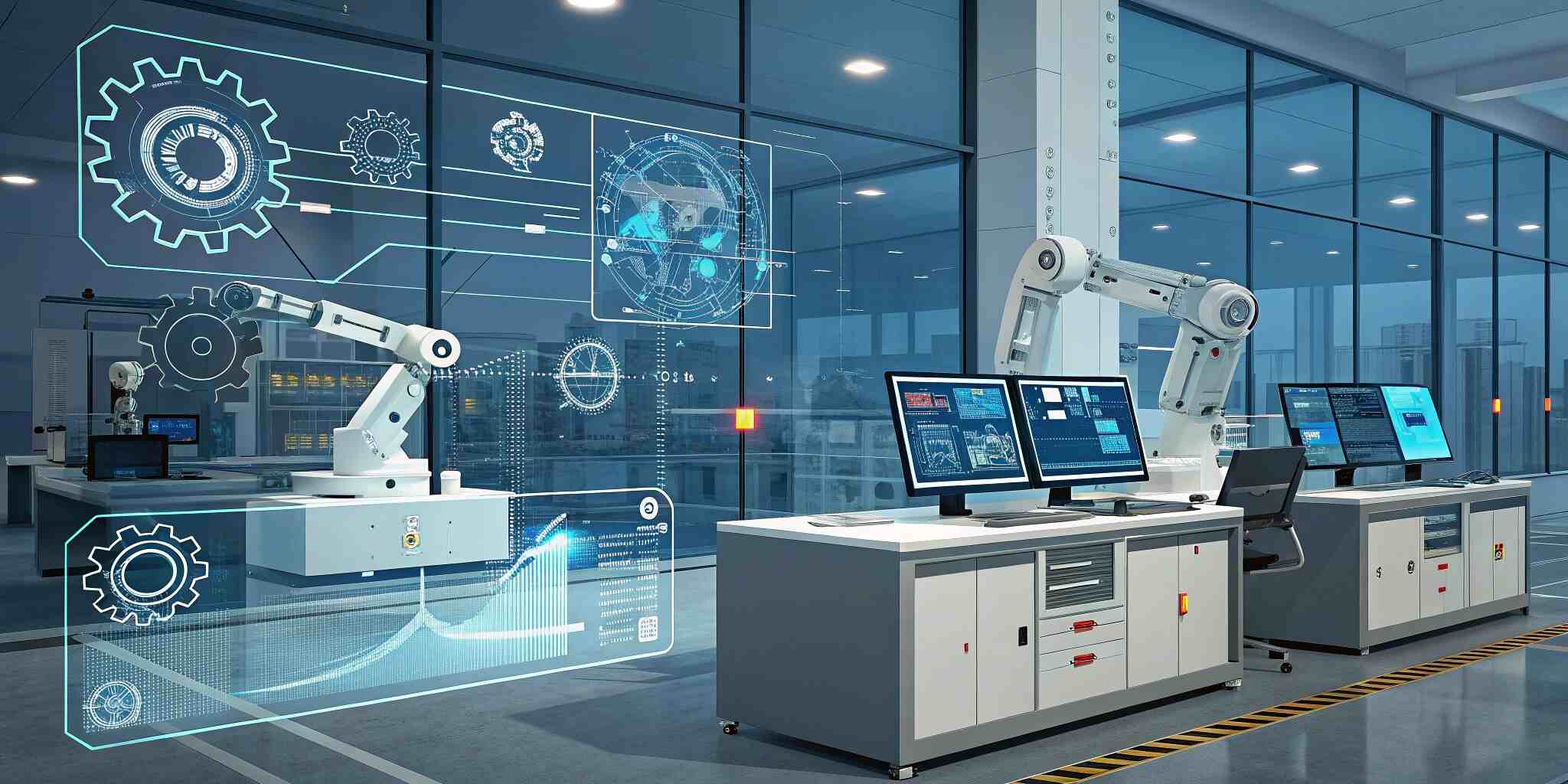
In 2025, the convergence of AI-powered automation and agentic workflows is driving a new era of productivity, transforming not just operations but the way work itself is structured. From dynamic task delegation to intelligent decision-making, these technologies are enabling systems that act with purpose, autonomy, and real-time adaptability.
What is AI-Powered Automation?
AI-powered automation uses artificial intelligence to enhance traditional automation by introducing cognitive abilities such as:
- Natural Language Processing (NLP)
- Machine Learning (ML)
- Predictive analytics
- Vision and speech recognition
This enables systems to learn from data, adapt to new situations, and automate more complex tasks than traditional rule-based scripts.
Understanding Agentic Workflows
Agentic workflows refer to processes managed by autonomous software agents. These agents can:
- Interpret goals from human inputs
- Plan, reason, and execute multi-step tasks
- Collaborate with other agents or humans
- Learn from feedback and optimize over time
Examples include AI agents managing supply chains, customer support agents resolving tickets end-to-end, and development agents writing and deploying code autonomously.
Key Benefits of Combining Both
End-to-End Task Automation
Tasks like onboarding, customer service, or lead nurturing can be fully automated with minimal human involvement.
Reduced Operational Costs
AI agents cut costs by handling repetitive and high-volume workflows, reducing the need for human labor in low-skill tasks.
Hyper-Personalization at Scale
With AI understanding context and user behavior, agentic workflows can personalize experiences across channels automatically.
Faster Decision-Making
Autonomous agents use real-time data to make instant, informed decisions, speeding up business responsiveness.
Real-World Use Cases
- Finance: AI agents processing invoices, managing risk, and flagging anomalies.
- Healthcare: Virtual health assistants managing appointments, follow-ups, and triaging symptoms.
- E-commerce: Chatbots with agentic capabilities handling product discovery, purchase, and post-sales support.
- IT Ops: Self-healing systems where AI detects, diagnoses, and fixes software issues autonomously.
Challenges to Address
- Trust & Transparency: Black-box AI decisions can make it difficult for teams to trust autonomous actions.
- Ethics & Governance: Ensuring AI actions align with human values and business ethics is critical.
- System Integration: Connecting legacy systems to AI agents requires robust APIs and data pipelines.
The Future of Work with Agentic Systems
As these technologies mature, we’re heading toward collaborative work ecosystems—where humans define high-level goals, and agents carry out execution. This will free up human potential for creativity, strategy, and innovation.
Conclusion
AI-powered automation and agentic workflows are more than trends—they are foundational shifts in how we build, scale, and evolve digital ecosystems. Businesses that invest now will not only gain competitive advantages but redefine what’s possible in digital operations.