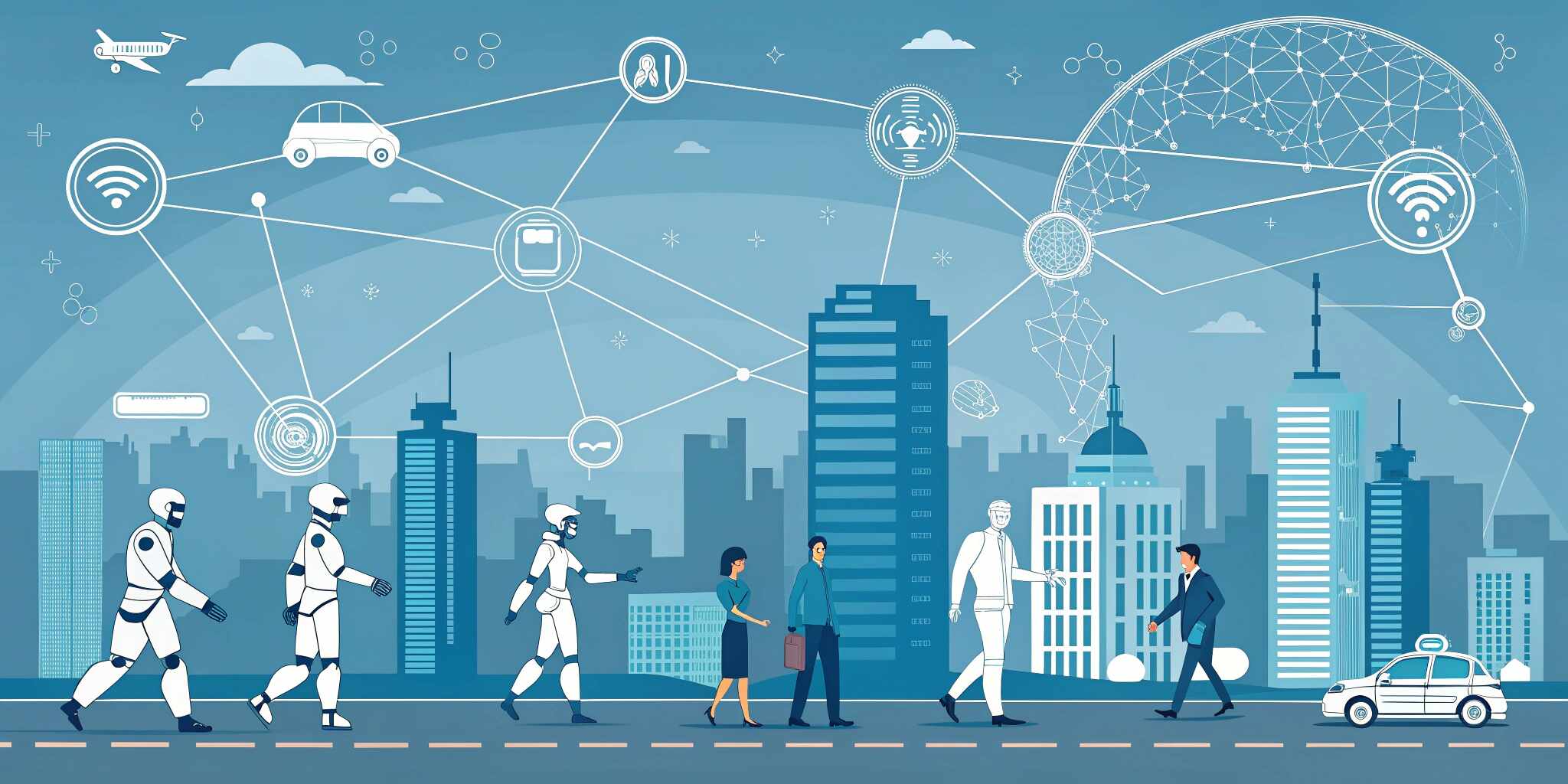
The animation industry is undergoing a significant transformation as Artificial Intelligence (AI) becomes deeply embedded in creative and production pipelines. Traditional animation workflows—often time-intensive and resource-heavy—are evolving into AI-integrated and AI-augmented animation workflows that balance automation with human creativity. This shift is redefining how studios, game developers, and digital creators produce animated content at scale.
Understanding AI-Integrated vs AI-Augmented Workflows
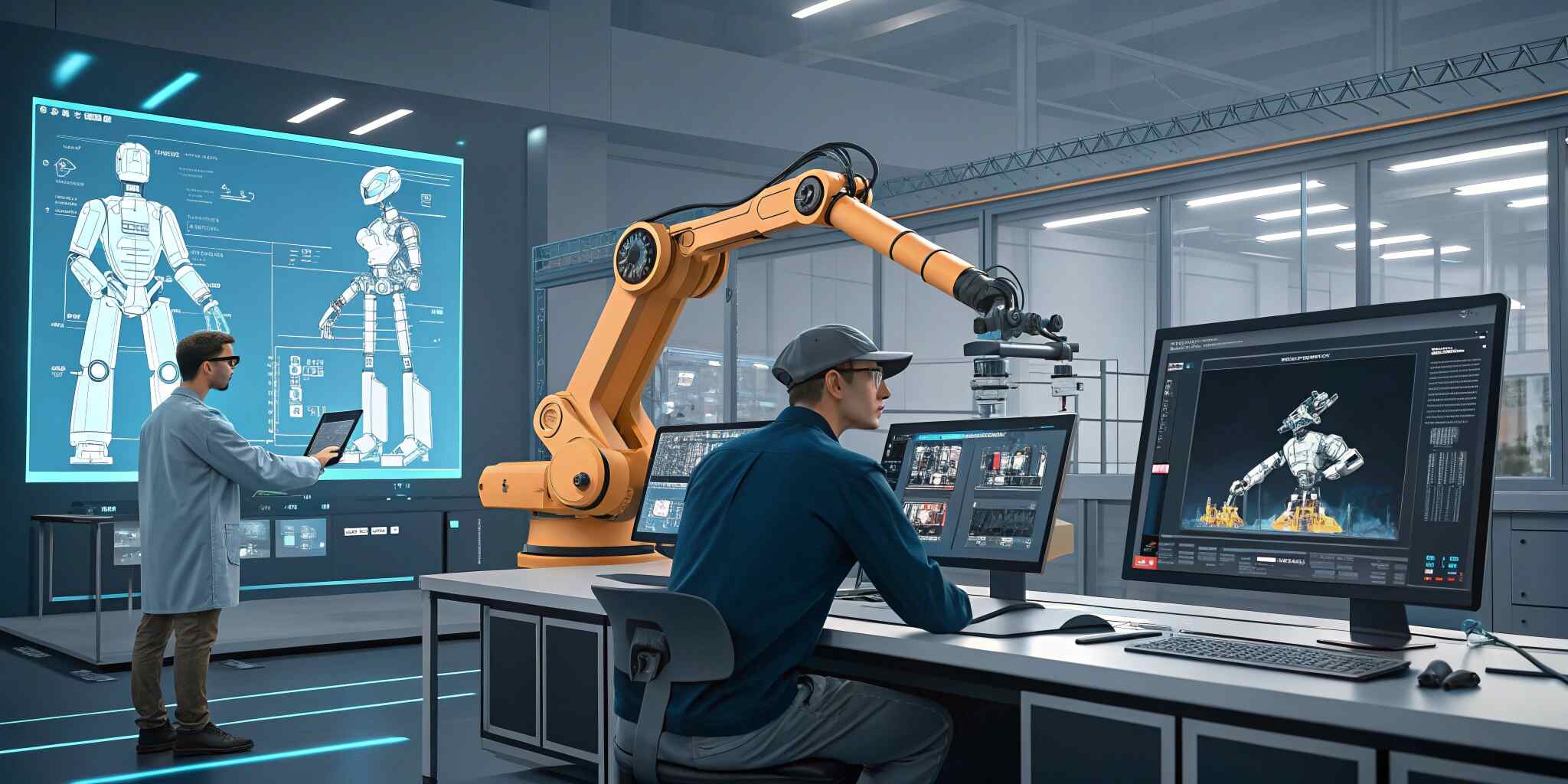
AI-integrated workflows embed AI directly into the animation pipeline, automating entire processes such as motion generation, in-betweening, or rendering optimization. These systems operate as core production components.
AI-augmented workflows, on the other hand, use AI as an intelligent assistant. Instead of replacing artists, AI enhances their capabilities—suggesting poses, refining movements, cleaning keyframes, or accelerating repetitive tasks while leaving creative control in human hands.
Both approaches aim to improve efficiency while preserving artistic intent.
Key Areas Where AI Transforms Animation Workflows
1. Pre-Production and Concept Development
AI tools assist artists in generating concept art, storyboards, and style explorations. By analyzing references and artistic styles, AI accelerates ideation, enabling teams to visualize concepts faster and experiment with creative directions before full production begins.
2. Character Rigging and Motion Generation
AI simplifies complex rigging tasks by automating bone structures and weight painting. Machine learning models trained on motion capture data can generate realistic character movements, reducing manual keyframing efforts while maintaining natural motion dynamics.
3. In-Betweening and Frame Interpolation
One of the most time-consuming animation tasks—creating in-between frames—is significantly accelerated through AI. Intelligent interpolation ensures smoother transitions between keyframes, improving animation quality while reducing production time.
4. Facial Animation and Lip Syncing
AI-powered facial recognition and speech analysis tools generate accurate lip-sync and expressive facial animations. This is especially valuable for dialogue-heavy content, games, and cinematic sequences.
5. Procedural and Crowd Animation
AI enables procedural animation for crowds, environments, and background characters. This allows studios to generate large-scale scenes efficiently without animating each element individually.
Benefits of AI-Integrated & AI-Augmented Workflows
Speed and Efficiency
AI drastically reduces production timelines by automating repetitive and technical tasks, allowing artists to focus on storytelling and visual quality.
Cost Optimization
Smaller teams can produce high-quality animations without extensive manual labor, making animation more accessible to indie studios and startups.
Consistency and Quality
AI ensures consistent animation styles, motion accuracy, and frame quality across projects, reducing human error.
Creative Empowerment
Rather than replacing animators, AI empowers them with intelligent tools that enhance creativity, experimentation, and innovation.
Challenges and Ethical Considerations
Despite its advantages, AI adoption in animation raises concerns. Over-reliance on automation can risk creative homogenization if not guided by human artistry. Data bias in training models can also impact animation quality and cultural representation.
Studios must address intellectual property rights, transparency in AI usage, and upskilling artists to work alongside AI tools rather than being displaced by them.
Best Practices for Adopting AI in Animation
To successfully implement AI workflows, studios should:
- Integrate AI incrementally rather than replacing pipelines overnight
- Maintain strong human creative oversight
- Train artists to collaborate with AI tools
- Use high-quality, ethically sourced training data
- Continuously evaluate AI output quality
The Future of Animation Workflows
As AI technologies evolve, animation workflows will become more adaptive, real-time, and collaborative. Generative AI, real-time rendering, and multimodal models will enable faster iteration and more immersive storytelling across film, gaming, AR, and VR.
Conclusion
AI-integrated and AI-augmented animation workflows represent the future of animation production. By combining automation with artistic intelligence, studios can achieve unprecedented efficiency, scalability, and creative freedom. The most successful animation pipelines will not replace human creativity—but enhance it through intelligent collaboration between artists and AI.