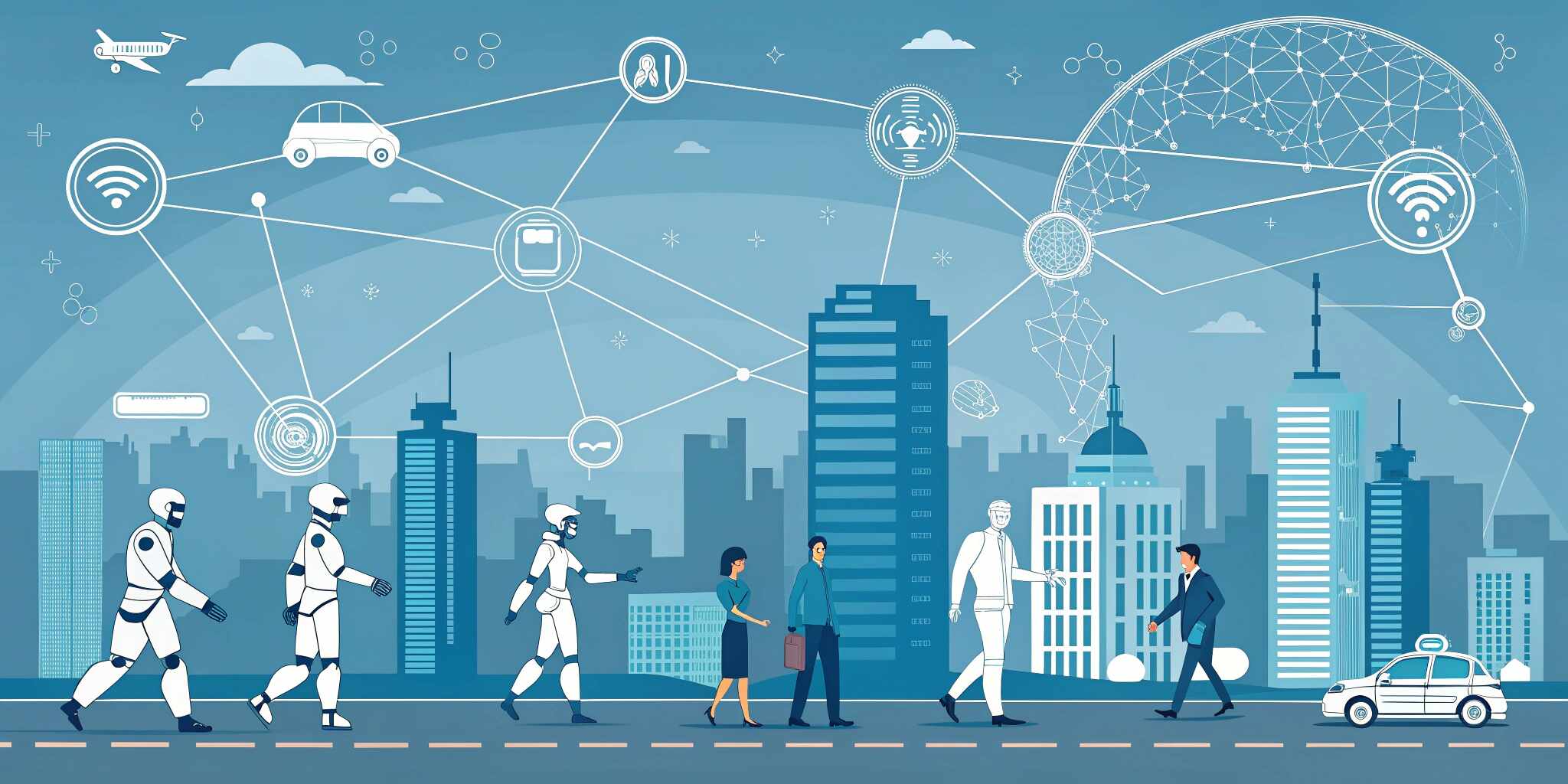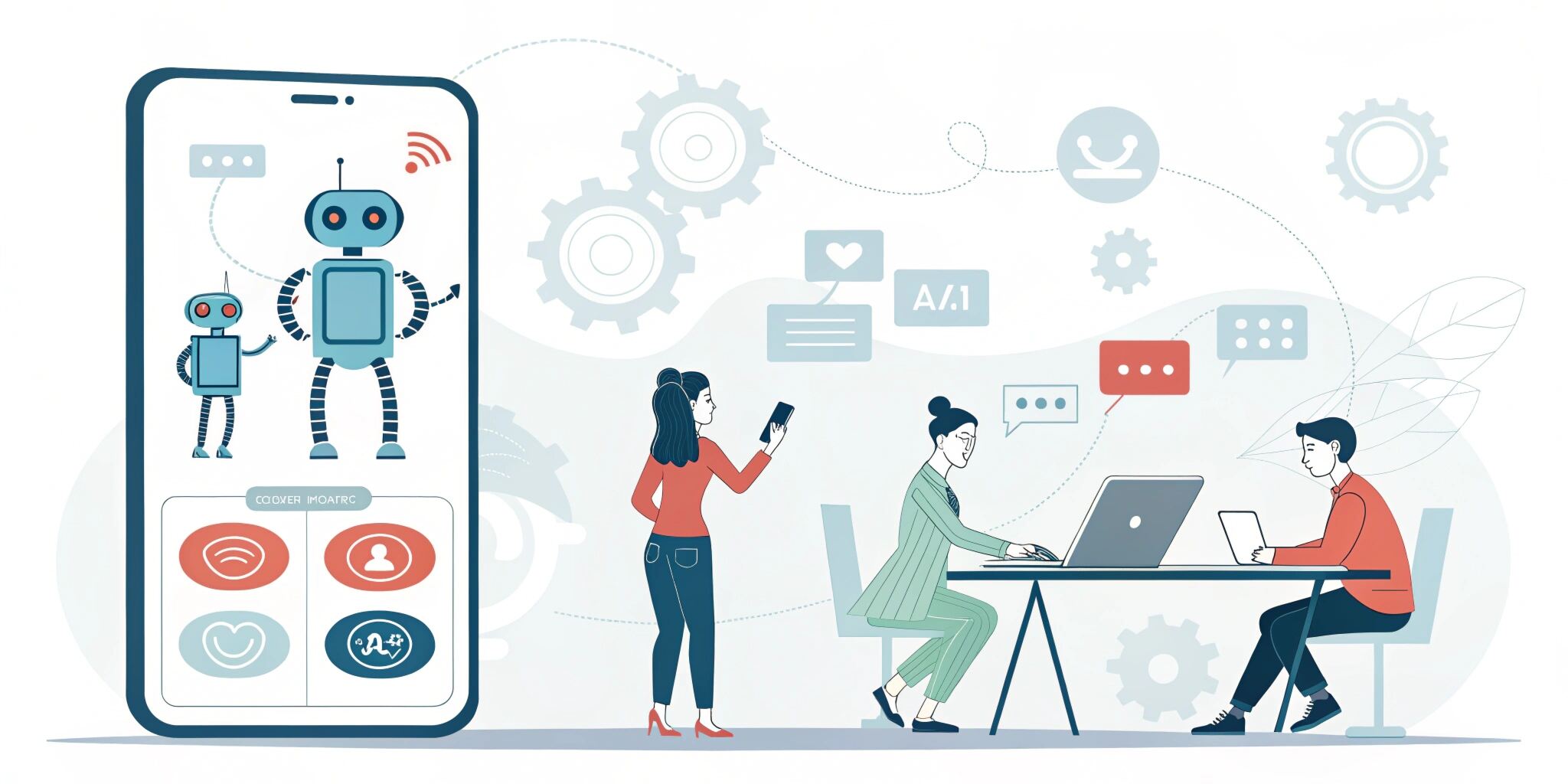
Artificial Intelligence (AI) has rapidly transitioned from an emerging technology into a core component of modern application development. Today, AI in apps is not just a competitive advantage—it is becoming an industry standard. From personalized recommendations to intelligent automation, AI is transforming how applications interact with users and deliver value.
What Does AI in Apps Mean?
AI in apps refers to the integration of artificial intelligence technologies such as machine learning, natural language processing (NLP), computer vision, and predictive analytics into mobile and web applications. These technologies allow apps to analyze data, learn from user behavior, and make decisions with minimal human intervention.
Unlike traditional apps that follow predefined rules, AI-powered apps adapt and improve over time, offering dynamic and personalized experiences.
Key Applications of AI in Modern Apps
1. Personalized User Experience
AI analyzes user behavior, preferences, and interactions to deliver tailored content, recommendations, and notifications. Streaming platforms, e-commerce apps, and social media applications rely heavily on AI-driven personalization to boost engagement and retention.
2. Intelligent Automation
AI automates repetitive tasks such as data entry, scheduling, and customer support. Chatbots and virtual assistants powered by NLP provide instant responses, improving efficiency while reducing operational costs.
3. Predictive Analytics
AI-enabled apps can predict user actions, demand trends, and potential issues before they occur. This helps businesses make data-driven decisions, optimize performance, and prevent system failures.
4. Enhanced Security and Fraud Detection
AI improves app security by identifying unusual behavior patterns, detecting fraud attempts, and preventing unauthorized access. Financial and healthcare applications particularly benefit from AI-powered threat detection systems.
5. Voice and Image Recognition
Speech recognition and computer vision allow apps to support voice commands, facial recognition, and image-based searches. These features improve accessibility and create more intuitive user interactions.
Benefits of Integrating AI in Apps
Improved User Engagement
AI-driven personalization keeps users engaged by delivering relevant and timely content, increasing session duration and loyalty.
Operational Efficiency
Automation reduces manual workload, allowing teams to focus on innovation and strategic tasks.
Scalability
AI models scale effortlessly with growing data and user bases, making them ideal for high-growth applications.
Smarter Decision-Making
Real-time insights and predictive analytics empower businesses to make faster and more accurate decisions.
Challenges in AI App Development
Despite its benefits, integrating AI into apps comes with challenges. Data quality and availability play a critical role in AI accuracy. Poor or biased data can lead to unreliable outcomes.
Privacy and compliance are also major concerns. Apps must adhere to data protection regulations and ensure transparency in AI-driven decision-making. Additionally, AI implementation requires specialized skills, which can increase development complexity and costs.
Best Practices for Building AI-Powered Apps
To maximize success, developers should:
- Start with clear business objectives
- Use high-quality, diverse datasets
- Prioritize user privacy and ethical AI practices
- Continuously monitor and retrain AI models
- Integrate AI features incrementally
These practices help ensure reliable performance and user trust.
The Future of AI in Apps
The future of AI in apps points toward more autonomous, context-aware, and human-like interactions. Advances in generative AI, multimodal models, and edge AI will enable faster processing and deeper personalization.
Apps will increasingly anticipate user needs, adapt in real time, and deliver seamless experiences across devices and platforms.
Conclusion
AI in apps is redefining digital experiences by making applications more intelligent, adaptive, and user-focused. As AI technologies continue to evolve, businesses that embrace AI-driven app development will gain a significant competitive edge. By integrating AI thoughtfully and responsibly, organizations can build applications that not only meet user expectations but exceed them in a rapidly evolving digital world.