Introduction
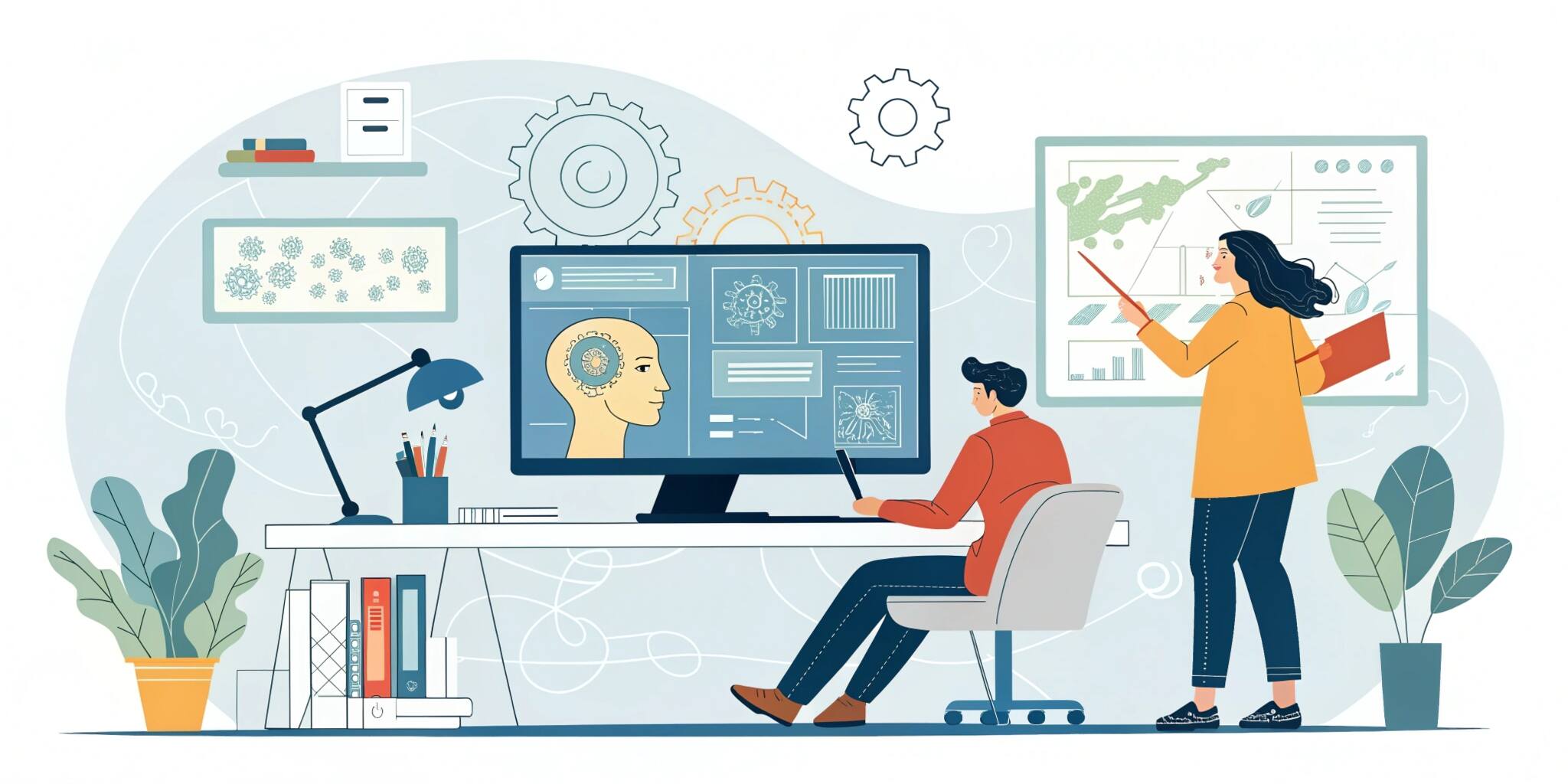
AI has revolutionized content creation by producing blogs, ads, emails, and social posts in seconds. However, AI-generated content isn’t perfect—it may lack nuance, tone, or factual accuracy. That’s where human supervision steps in, creating a synergy between automation and creativity.
Why AI Needs Human Oversight
While generative AI tools like ChatGPT, Jasper, and Copy.ai can draft impressive text, they sometimes:
- Misinterpret context
- Provide outdated or incorrect facts
- Miss emotional or brand tone
- Produce generic or repetitive output
Human supervision ensures the output is on-brand, factually sound, emotionally intelligent, and ethically appropriate.
Benefits of Human-AI Collaboration
- Quality Control: Editors correct misinformation and polish grammar or tone.
- Creativity Enhancement: Humans inject originality and storytelling skills.
- Ethical Safeguards: Prevents AI from spreading biased, offensive, or misleading content.
- SEO Optimization: Humans refine keywords, metadata, and links for better reach.
Use Cases
- Marketing Teams: AI drafts campaigns, humans align it with brand voice.
- News Outlets: AI generates summaries, journalists ensure accuracy.
- E-commerce: AI creates product descriptions, editors customize for target demographics.
Best Practices
- Define Brand Voice & Guidelines for AI tools.
- Implement Review Workflows before publishing.
- Educate Teams on prompt engineering and AI limitations.
- Track Metrics to compare AI-only vs. hybrid content performance.
Tools Supporting Human-AI Collaboration
- Grammarly & Hemingway Editor: Improve readability.
- Notion AI / Writesonic: For co-writing with editing layers.
- Content moderation APIs: Flag inappropriate or biased content.
Conclusion
AI and human creativity are not in competition—they’re partners. With the right level of oversight, AI-generated content becomes more scalable, personalized, and impactful. The future of content isn't fully automated—it's AI-assisted and human-approved.